
ΕΑΝ ΠΡΟΤΙΜΑΤΕ ΕΛΛΗΝΙΚΑ ΠΑΤΗΣΤΕ ΤΗ ΣΗΜΑΙΑ ΣΤΟ ΚΑΤΩ ΜΕΡΟΣ ΤΗΣ ΟΘΟΝΗΣ
By Hellenisope’s Editorial Team
Recent statements from Iranian officials and ordinary citizens have struck a consistent tone: measured, historically grounded, and pointedly critical of Washington’s past approach. Diplomats from Tehran have reiterated that Iran “has always engaged with dignity and respect,” while citizens interviewed in regional media often echo a similar sentiment—frustration with sanctions, but also a desire for normal relations and mutual respect. Even in sharp rebuttals, Iran’s Foreign Ministry has leaned on the language of international law, sovereignty, and long civilizational memory. Here are some instances of the exchange:
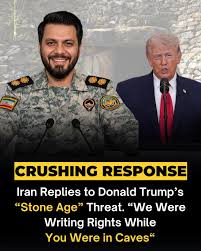
‘NOT US, YOU ARE STONE AGE…’: Iran’s Blistering First Response To Trump’s War Speech
The “Caves” Response: In response to the “Stone Age” remark, official Iranian accounts, including the Iranian embassy, released statements stating: “At a time when you were still in caves searching for fire, we were inscribing human rights on the Cyrus Cylinder. We are a nation with 7,000 years of civilization”.
The “calm down tiger” moment (context)
While not always captured in a single viral video, this line is real and widely reported:
Iran’s embassy in Bulgaria told Trump: “Take it easy, tiger. Keep your cool.”
This came as part of a broader wave of mocking diplomatic posts, where Iranian officials:
- Told Trump to “get a grip.”
- Suggested invoking the 25th Amendment.
- Compared his rhetoric to a “sore loser brat.”
Serious Repercussions As America Loses Credibility In ANY Diplomatic Avenue
Against this backdrop, the rhetoric of Donald Trump appears not merely confrontational, but jarringly crude. His past statements—whether in tweets, speeches, or off-the-cuff remarks—frequently reduced complex geopolitical realities to threats, insults, or theatrical bravado. This was not strategic toughness; it was a kind of performative belligerence that blurred the line between statecraft and spectacle.
The problem with such language is not only its tone, but its consequences. Diplomacy depends on signals—on nations’ ability to interpret intent, weigh risks, and find off-ramps from escalation. When a U.S. president resorts to language that reads more like taunts than policy, it erodes that signaling system. It invites miscalculation. It normalizes disrespect. And it undermines the very alliances and institutions that give American power its legitimacy.
Iranian officials, whatever one thinks of their policies, have often responded by contrasting their own rhetorical restraint with what they portray as American volatility. This framing is politically convenient, of course—but it is also made easier by Trump’s own words. When a leader of a global superpower communicates in ways that sound impulsive or dehumanizing, it hands adversaries a propaganda victory without requiring them to distort anything.
There is a deeper issue here: language shapes reality. Calling for diplomacy while speaking in threats is not a strength; it is incoherent. A foreign policy rooted in intimidation alone cannot sustain itself, because it offers no path forward—only cycles of provocation and response.
If the United States aims to lead, it must do so not just with power, but with discipline. The alternative is a world in which even its rivals can credibly claim the mantle of civility—and that is a strategic loss far greater than any single negotiation.
April 6, 2026, n.stamatakis@aol.com www.helleniscope.com
DISCLAIMER: The views and statements expressed in this article constitute constitutionally protected opinions of this author.