

ΕΑΝ ΠΡΟΤΙΜΑΤΕ ΕΛΛΗΝΙΚΑ ΠΑΤΗΣΤΕ ΤΗ ΣΗΜΑΙΑ ΣΤΟ ΚΑΤΩ ΜΕΡΟΣ ΤΗΣ ΟΘΟΝΗΣ
By Hellenisope’s Editorial Team
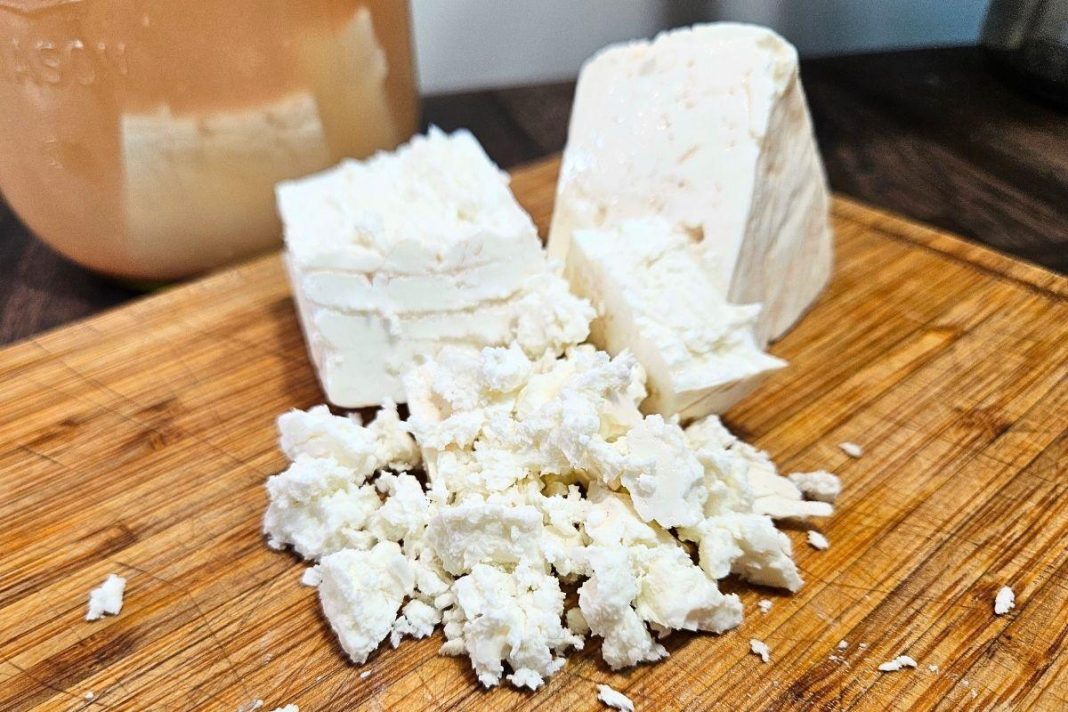
In the shifting landscape of global food politics, few products carry the symbolic weight of feta cheese. Brined, crumbly, and centuries old, feta is more than a staple of Greek cuisine—it is a marker of cultural identity. Yet today, it sits at the center of a widening geopolitical rift, as policy ambitions from Donald Trump threaten to redraw the boundaries of what “feta” even means.
For decades, the European Union has fiercely protected feta under its Protected Designation of Origin (PDO) system. In this framework, true feta must come from specific regions of Greece and be made primarily from sheep’s milk, sometimes blended with goat’s milk. To Athens and Brussels alike, feta is not just a cheese—it is heritage, geography, and tradition encoded into law.
But across the Atlantic, a different vision is taking shape. Trump’s trade posture has long emphasized dismantling what he views as restrictive European protections. Central to this is the argument that “feta” has become a generic term, one that American producers should be free to use regardless of origin. Under this approach, U.S. dairy manufacturers—often using cow’s milk—could label their products as feta without adhering to Greek standards.
This proposal lands at a volatile moment. Greece is already grappling with a severe agricultural crisis, as disease outbreaks have forced the culling of large numbers of sheep and goats. The result is a tightening supply of authentic feta, driving up prices and increasing global demand. Into this vacuum, American-made “feta” could expand rapidly, not just as an alternative, but as a competitor claiming the same name.
The implications are profound. For European producers, it represents an erosion of cultural and economic protections painstakingly built over decades. For American producers, it is an opportunity to enter a premium market unbound by geographic constraints. And for consumers, it blurs the line between authenticity and approximation.
In our view, feta becomes a lens—a way to observe how globalization, nationalism, and scarcity intersect. What crumbles on a plate may soon fracture in policy: a simple cheese, caught between worlds, its identity contested in the halls of power.
April 6, 2026, n.stamatakis@aol.com www.helleniscope.com
DISCLAIMER: The views and statements expressed in this article constitute constitutionally protected opinions of this author.