
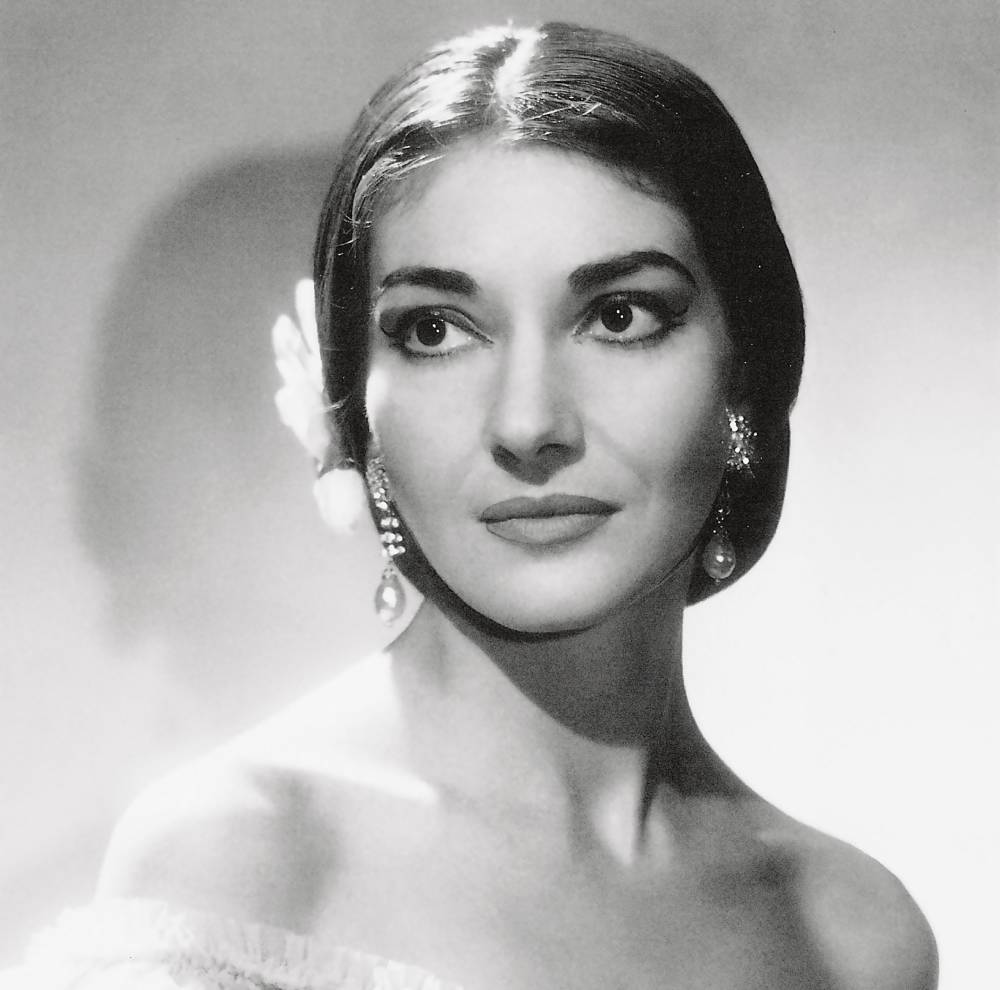
EDITOR’S NOTE (Nick Stamatakis). This is the best biography of Maria Callas I have read, seen, or heard… It’s in Greek with English subtitles. Here are the main points:
- 20:41–22:26 — “Above all, I belong to the Greek world.” Yet postwar Greece demotes and ostracises her over performances during the Occupation.
- 21:13–21:48 — Eleni Papadaki’s influence: Callas may have learned to act through the voice, helping revolutionize operatic performance.
- 22:42–24:19 — Rejected by her father and the Metropolitan Opera, she turns rejection into ferocious ambition: she will become the greatest.
- 24:19–27:26 — Verona and Tullio Serafin launch her international career. At La Scala: “Maria, La Scala is yours.”
- 25:05–26:44 — Her absent father and oppressive mother help explain her relentless work ethic and attraction to older, protective men.
- 27:51–29:28 — Her rare instrument: a dramatic coloratura soprano, combining dark power with exceptional agility.
- 29:40–30:44 — After a brutally insulting review of her weight, she loses more than 30 kg, transforming her stage image.
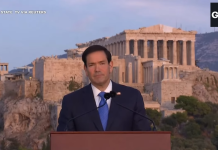
- 31:31–35:39 — 1957 Athens return: hostile press, controversy over her fee, illness—then a huge Herod Atticus ovation restores her bond with Greece.
- 35:12–35:39 — Under crushing expectations, she tells Greece: don’t expect a miracle; I am human, and I have feelings.
- 36:00–38:11 — Epidaurus/Vassilis: furious at a boy interrupting rehearsal, she melts when she learns he shares her dead brother’s name and dedicates the performance to him.
- 38:20–40:02 — She returns her Epidaurus fee to the Greek National Opera, repaying the institution that had supported her when she was poor.

- 40:15–41:12 — Even on holiday in Halkidiki, she studies recordings of herself to improve—prompting amusing rumors among nearby monks.
- 41:12–46:41 — The “difficult diva” myth is challenged: colleagues remember discipline, punctuality and warmth. Callas: “I am neither an angel nor a demon.”
- 46:48–49:53 — Why she changed opera: voice, acting and body became one dramatic instrument; for Callas, the word came first, and music served it.
- 49:53–53:21 — Onassis makes her seem almost carefree; in Lefkada, 1964, she gives an impromptu performance—her last ever in Greece.
- 56:16–57:20 — Onassis’s 1968 marriage to Jackie Kennedy devastates her, although Callas says they remained emotionally close afterward.
- 57:43–58:29 — A provocative interpretation: Onassis did not destroy Callas; Callas’s own impossible demands destroyed her.
- 58:29–1:00:30 — Asked where she failed, she says “as a woman”: more than fame, she wanted motherhood and says she would have had six children.
- 1:00:34–1:03:46 — She admits that apparent arrogance was really shyness and self-protection. Her final years become increasingly isolated and bleak.
- 1:06:50–1:07:07 — Callas on her identity: the world honored her, but her blood was Greek—and nobody could erase that.
- 1:10:38–1:11:04 — Her severe myopia meant she could barely see the conductor; she knew scores virtually by heart and performed them from within.
- 1:11:04–1:12:53 — The biography’s central conclusion: the wounds that created her greatness never healed. Life defeated Maria; Callas defeated life through art.
========