ΕΑΝ ΠΡΟΤΙΜΑΤΕ ΕΛΛΗΝΙΚΑ ΠΑΤΗΣΤΕ ΤΗ ΣΗΜΑΙΑ ΣΤΟ ΚΑΤΩ ΜΕΡΟΣ ΤΗΣ ΟΘΟΝΗΣ
Greek Orthodox priests in Greece and the United States are attracting thousands of followers on TikTok, Instagram and YouTube, transforming social media into a modern religious pulpit. But as clergy become digital celebrities, the Church of Greece is highlighting the risks of personal branding, online controversy, and the pursuit of fame.
By Helleniscope’s Editorial Team
The traditional church pulpit is expanding into the digital world as Greek Orthodox clergy increasingly turn to social media to communicate their faith, engage younger generations and reach audiences far beyond their parishes.
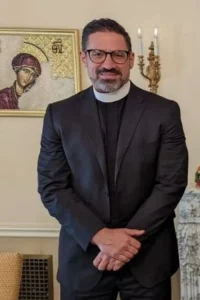
PHOTO: Fr. Andreas Vithoulkas
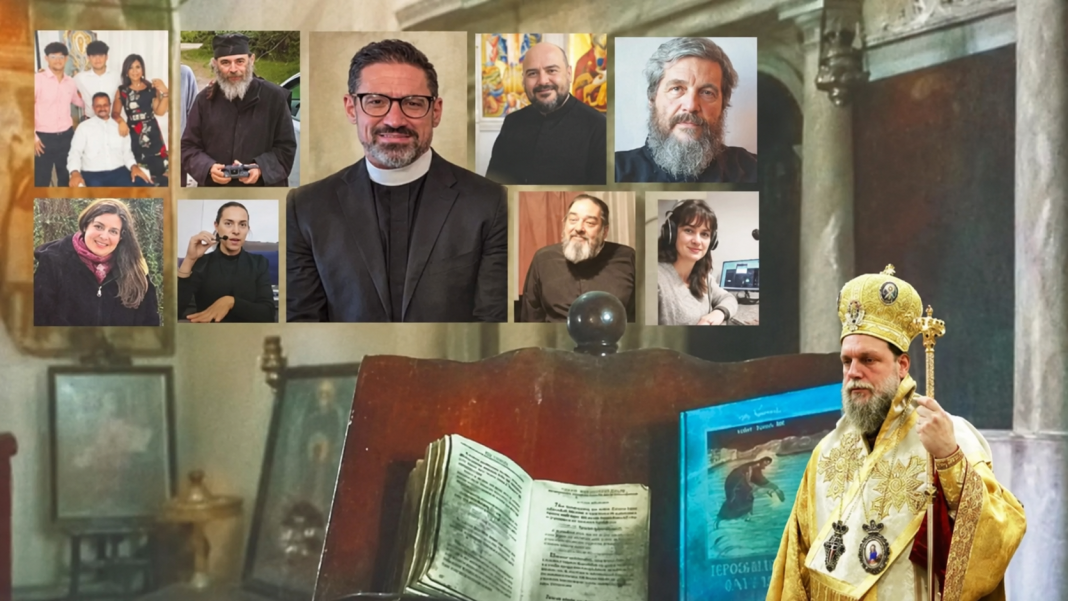
Among the prominent figures is Father Andreas Vithoulkas, presiding priest of the Saint Nicholas Greek Orthodox Church and National Shrine at Ground Zero in New York. Known online as “Father Andreas,” he shares moments from his ministry and daily life, connecting Orthodox Christianity with younger Greek Americans and wider audiences.
In Greece, Metropolitan Gabriel of Nea Ionia has embraced digital communication as a modern form of outreach, while Father Nikolaos Loudovikos, a theologian and academic, attracts followers through lectures exploring spirituality, psychology and contemporary philosophical questions.
Father Livyos (Charalambos Papadopoulos), a priest and author from Crete, combines Orthodox spirituality with reflections on personal struggles and everyday life.
Another distinctive personality is Father Konstantinos Vasileiadis from Kozani, nicknamed “Papa-Drone,” who uses drones to capture monasteries, religious ceremonies and Greek landscapes, connecting communities at home and abroad with their religious heritage.
The late Father Pavlos from Mandra also achieved considerable TikTok popularity through humor and an accessible style that appealed particularly to younger followers.
The phenomenon extends to priests’ wives, known as presvyteres. Alexandra-Eirini Lemoni from Edessa, Elena Karagianni from Grevena and Georgia Stergiou from Naxos share content about faith, motherhood and family life, developing their own online audiences.
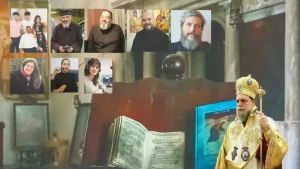
The Church Responds: Ten Principles for the Digital Age
The growing visibility of clergy online has prompted the Holy Synod of the Church of Greece to address the opportunities and risks of digital ministry.
At its October 7, 2026, meeting, Archbishop Ieronymos, Metropolitan Chrysostomos of Chalkida, presented a report on the growing presence of clergy online and outlined ten principles for responsible online conduct.
The discussion came amid controversy over a widely circulated video featuring Metropolitan Philotheos of Thessaloniki singing a traditional song with other clerics during a visit to Mount Athos.
The Synod’s recommendations emphasize that a priest remains a representative of the Church online and is accountable to ecclesiastical authority. Clergy are urged to exercise restraint, verify information, avoid inflammatory exchanges, and protect the confidentiality of pastoral relationships.
A central concern is the priest’s emergence as a digital celebrity. The proposed principles discourage clergy from cultivating a personal “brand” or pursuing online fame at the expense of their religious mission.
The recommendations also address the dangers of misinformation, divisive online debates, addictive platform algorithms, and artificial intelligence, highlighting the importance of digital literacy.
Crucially, the Church does not advocate abandoning social media. Instead, it insists that digital engagement should encourage genuine pastoral relationships and participation in parish life, rather than substitute for them.
Building on earlier guidance from 2002 and 2015, the October proposals aim to set clearer expectations for clergy operating in an increasingly competitive digital environment. They were presented as guiding principles, not as a newly enacted disciplinary code carrying specified penalties.
The underlying challenge is balancing the opportunities of digital evangelism with the responsibilities of priesthood. As Orthodox clergy gain followers and influence, the Church holds that social media may be a powerful new pulpit, but spiritual ministry must remain more important than personal popularity.
Sources
- Apogevmatini, October 9, 2026 — “Clergy Influencers Preach from the Pulpit of TikTok”. Profiles of Greek Orthodox clergy and priests’ wives active on social media.
- Patris, October 8, 2026 — “Warning to Clergy Over Their Social Media Presence: The Holy Synod’s Ten Commandments”. Reporting on the Synod’s recommendations for digital conduct.
- Church of Greece, October 7, 2026 — Official Announcement of the Holy Synod of the Hierarchy. Official ecclesiastical account of the Synod’s proceedings.
- ERT News, October 8, 2026 — “The Holy Synod’s Ten Rules for Social Media: A Cleric Is Not a Personal Brand”. Additional coverage of the principles and the Church’s concerns.