
ΕΑΝ ΠΡΟΤΙΜΑΤΕ ΕΛΛΗΝΙΚΑ ΠΑΤΗΣΤΕ ΤΗ ΣΗΜΑΙΑ ΣΤΟ ΚΑΤΩ ΜΕΡΟΣ ΤΗΣ ΟΘΟΝΗΣ
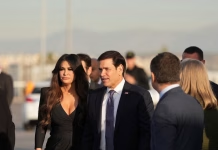
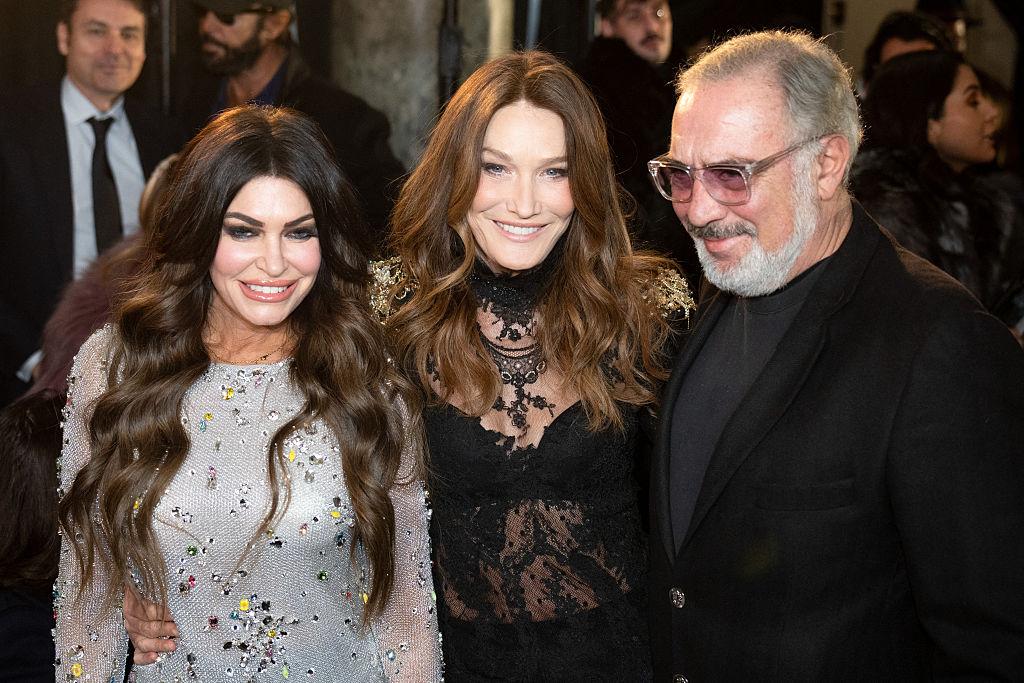
OUR MAIN PHOTO: A Paris Fashion Week photo of Guilfoyle with Nikolas Tsakos
Newly revealed texts of Kimberly about her relationship with shipowner Nikos Tsakos: “I see Nikos every f—ing day… He loves me”. Private jets, luxury hospitality and the money trail behind Kimberly Guilfoyle’s ties to Greece’s business elite.
By Nick Stamatakis
I remember discussing Kimberly Guilfoyle’s appointment as U.S. ambassador to Greece with friends when it was announced. My somewhat cynical prediction was that one of her main goals in Athens would be “to befriend the shipowners”—for personal and political reasons.
It was partly a joke, but Greece’s shipping families occupy a unique position at the intersection of energy, finance, politics and international influence. They are exactly the kind of people an ambitious political figure would want to know. I did not expect how quickly that prediction would resemble the central controversy surrounding Guilfoyle’s ambassadorship.
The best place to start is with her own words. According to an audio recording obtained by The Wall Street Journal at Davos in January, Guilfoyle was speaking about Greek shipowner Nikolas Tsakos when she said: “I see Nikos every f—ing day… He loves me.” She also described spending Christmas and New Year’s with him and traveling with him. The Journal reported that she had spent part of the holidays with Tsakos in Gstaad and that people familiar with the arrangements said he paid for her accommodation at the Four Seasons George V in Paris.
That does not prove a romantic affair. Tsakos is married to fashion designer Celia Kritharioti, and Guilfoyle’s association with the couple has often been public. But it does establish an unusually close relationship between a sitting American ambassador and one of Greece’s most powerful shipping figures, including private travel, luxury hospitality, and repeated social contact.
The more important issue, however, is not sex but money and access. Tsakos operates in global shipping and energy, sectors directly affected by U.S. policy. That raises obvious questions: who paid for Guilfoyle’s flights and hotels, were the benefits disclosed or reimbursed, were State Department ethics officials consulted, and did the people providing that hospitality have commercial interests touched by policies she was promoting?
Those questions become even more serious in the case of Alexandros Exarchou, the chief executive of AKTOR Group. I found no credible evidence of a romantic relationship between Guilfoyle and Exarchou, but their business and diplomatic ties are much more consequential. Through its partnership with DEPA, AKTOR became central to efforts to bring American LNG into Greece and move it north through the Vertical Corridor into Bulgaria, Romania, Moldova, and Ukraine. Guilfoyle strongly promoted that strategy.

PHOTO: Kimberly and Alexandros Exarchou (sitting at the center) promote the vertical corridor from Alexandroupolis to Romania and beyond. Trying to sell 3x- and 4x-more expensive American LNG to poorer regions in Europe… When an idea doesn’t make business sense, it is bound to be short-lived and destructive for everyone involved.
According to The Wall Street Journal, she also promoted AKTOR-linked projects while building close relationships with people around the company. One was Christos Marafatsos, a registered lobbyist for AKTOR who was paid to cultivate relationships with the White House, the State Department, and the Energy Department. Yet Marafatsos repeatedly accompanied Guilfoyle into official meetings with foreign officials, some of whom reportedly did not understand that he represented a private commercial client.
That is the most troubling part of the story. Imagine a foreign minister or prime minister receiving the American ambassador, accompanied by a man who appears to be part of her official entourage, only to discover he is actually a paid lobbyist for a company that stands to benefit from the policy being discussed.
Then there is Exarchou himself. At Davos, Guilfoyle reportedly acknowledged traveling there aboard a private aircraft with him. Again, private travel is not automatically illegal, and government officials may accept transportation from outside sources in certain circumstances. But when the person providing that benefit heads a company whose commercial interests the ambassador is simultaneously promoting, the ethical questions become unavoidable.
Together, these relationships form a pattern. With Tsakos, the relationship involves extraordinary hospitality and personal closeness. With Exarchou, hospitality combines with commercial advocacy. With Marafatsos, there is commercial advocacy combined with access to lobbying.
A separate Wall Street Journal report expanded the story by alleging that, before her confirmation, Guilfoyle asked Trump donor Eric Deters for $100,000 to help pay an American Express balance while seeking her assistance with federal tax and legal matters. Guilfoyle’s lawyer disputes the messages’ authenticity, and Deters says he ultimately did not make the payment. But once allegations involving money and access are added to private jets, luxury hotels, wealthy businessmen and a paid lobbyist sitting in diplomatic meetings, the controversy starts to look less like eccentric diplomacy and more like a question of where public office ended and private relationships began.
Congress is now asking that question directly. Representative Gregory Meeks first sought answers from Secretary of State Marco Rubio about Guilfoyle’s relationship with AKTOR and Marafatsos, and later asked the State Department Inspector General to investigate possible violations of federal law, department regulations and ethics rules. He also asked Guilfoyle to appear before House Foreign Affairs Committee members and answer questions under oath.
The central question is no longer whether Guilfoyle befriended Greece’s wealthy businessmen. She clearly did. The question is what those relationships were worth—to them, to her, and to the United States.
To understand the Kimberly Guilfoyle scandal, follow the money.
Main sources
- The Wall Street Journal — Davos recording, private jets and luxury stays
- The Wall Street Journal — Guilfoyle, Marafatsos and AKTOR
- House Foreign Affairs Committee — Meeks inquiry into Guilfoyle, AKTOR and Marafatsos
- House Foreign Affairs Committee — request for OIG investigation and Guilfoyle testimony
October 11, 2026, www.helleniscope.com, n.stamatakis@aol.com
DISCLAIMER: The views and statements expressed in this article constitute constitutionally protected opinions of this author.