

ΕΑΝ ΠΡΟΤΙΜΑΤΕ ΕΛΛΗΝΙΚΑ ΠΑΤΗΣΤΕ ΤΗ ΣΗΜΑΙΑ ΣΤΟ ΚΑΤΩ ΜΕΡΟΣ ΤΗΣ ΟΘΟΝΗΣ
Internal Revolt, Possible Resignation of Archbishop Symeon, and an Egyptian Deadline Threaten Its Future. Leadership divisions, disputed property rights, and an approaching Egyptian court decision place the historic Greek Orthodox monastery at a critical turning point.
By Helleniscope’s Editorial Team
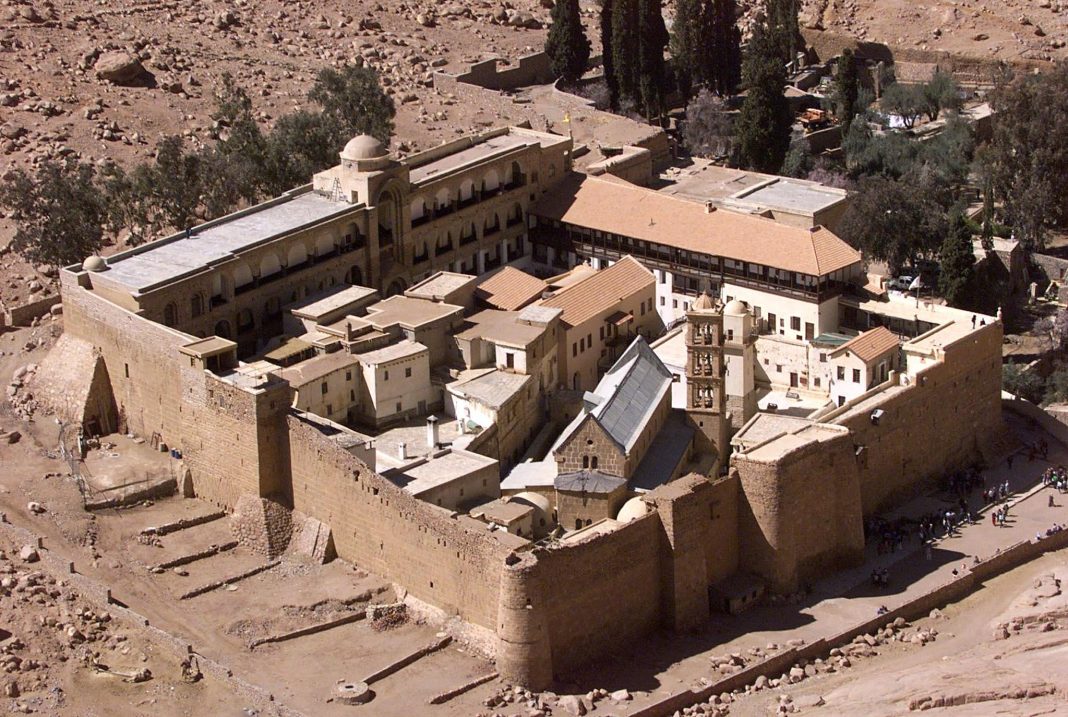
The historic Greek Orthodox Monastery of St. Catherine on Mount Sinai is facing one of the most serious crises in its nearly 1,500-year history. Over the past two weeks, internal divisions, diplomatic negotiations with Egypt, and concerns over the monastery’s property rights have intensified, raising questions about its leadership and future independence.
At the center of the turmoil is newly elected Archbishop Symeon, whose prolonged illness and growing opposition within the brotherhood have prompted speculation about his possible resignation. Meanwhile, Greece and Egypt are racing to reach an agreement before a critical Egyptian court decision expected on October 24.
A Critical Fortnight: Negotiations Approach Collapse
Since early October, Greek diplomats have sought an agreement with Egypt to protect the monastery’s religious and legal status. However, disagreements among the monks over ownership rights and the proposed settlement have delayed progress.
The brotherhood reportedly requested additional time to consider the agreement, until October 18. Greek officials consider October 22 the effective deadline to reach a settlement before the Egyptian Court of Cassation’s scheduled proceedings on October 24.
The principal concern is whether the agreement would preserve the monastery’s ownership rights or merely guarantee its continued religious operation.
Archbishop Symeon’s Illness and the Prospect of Resignation
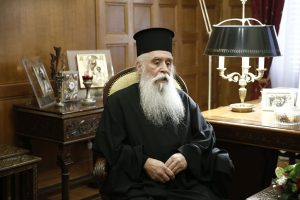
Archbishop Symeon’s prolonged illness has complicated attempts to secure consensus among the monks. Greek ecclesiastical reports published October 15–16 say opposition within the brotherhood may prevent him from obtaining authorization to sign the proposed agreement.
Sources have even raised the possibility of his resignation, although he has made no formal announcement.
Such a development would create another leadership vacuum just months after his predecessor, Archbishop Damianos, left in a contentious departure.
Archbishop Damianos Returns to the Center of the Controversy
Former Archbishop Damianos, who led the monastery for more than five decades, has sharply criticized the Greek government’s handling of negotiations.
In statements reported in mid-October, he demanded transparency regarding the proposed settlement and warned against any arrangement that could undermine the monastery’s historical ownership rights. He also rejected allegations that he had previously conceded Egyptian ownership of disputed properties.
The controversy is complicated by reports that Egyptian authorities have not yet issued the presidential decree recognizing Symeon, leaving Damianos’s earlier recognition formally in place.
Some ecclesiastical sources suggest Damianos might return in a transitional capacity if Symeon resigns, though this remains speculative.
The Central Dispute: Ownership or Permission to Remain?
The fundamental issue remains the legal status of the monastery’s properties.
A May 2025 ruling by Egypt’s Ismailia Court of Appeal raised serious concerns over disputed land and buildings. The Egyptian Court of Cassation is scheduled to address the related appeals on October 24.
Critics fear that a diplomatic agreement might guarantee the monks continued access and worship without fully recognizing historical property claims.
Greek officials, meanwhile, have emphasized preserving the monastery’s religious character and uninterrupted operation.
However, without publication of the complete proposed agreement, its legal protections cannot be independently assessed.
A Monastic Brotherhood Divided Into Rival Camps
Recent Greek reporting describes the brotherhood as divided into three competing factions, reflecting disagreements over leadership, property rights, and negotiations with Cairo.
Lingering tensions from the 2025 leadership crisis have complicated efforts to reach a unified position. Symeon’s illness has further weakened coordination.
These divisions threaten to undermine the monastery’s negotiating position at a moment when institutional unity is essential.
Athens, Cairo, and the Orthodox Church Face a Historic Test
The crisis has become a major diplomatic and ecclesiastical concern.
Greek Foreign Minister George Gerapetritis has been engaged in discussions involving Orthodox Church leaders, including Patriarch Theophilos III of Jerusalem. The Greek government seeks a settlement with Egypt that would secure the monastery’s continued operation.
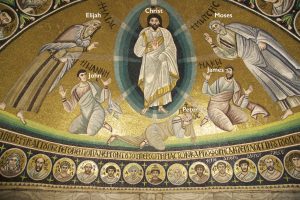
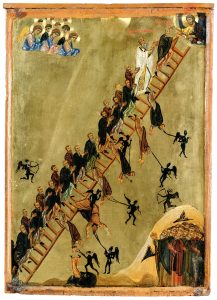
But the stakes extend beyond diplomacy. Founded under Emperor Justinian in the sixth century, St. Catherine’s is among Christianity’s oldest continuously functioning monasteries and an irreplaceable repository of Orthodox manuscripts, icons, and spiritual heritage.
Any settlement that preserves worship while leaving fundamental property rights unresolved could perpetuate uncertainty.
October 22–24: The Decisive Days
Three dates now dominate developments:
- October 18: Reported deadline for the brotherhood’s internal consultations.
- October 22: The effective diplomatic deadline to reach an agreement.
- October 24: Scheduled Egyptian Court of Cassation proceedings concerning the disputed properties.
Whether Archbishop Symeon can secure the necessary support, whether the proposed agreement adequately protects the monastery, and whether the court proceedings will alter its legal position remain unanswered questions.
The Greater Danger: A Historic Institution Caught Between Diplomacy and Division
St. Catherine’s now faces three interconnected threats: uncertain property rights, unresolved negotiations with Egypt, and bitter internal leadership divisions.
The monastery’s future cannot be secured by allowing religious services to continue alone. It must also protect its historical rights, spiritual independence, and institutional continuity.
After surviving nearly fifteen centuries of political and religious upheaval, this remarkable bastion of Orthodox Christianity should not see its future compromised by diplomatic haste or internal rivalries.
As the October 24 deadline approaches, the central question is whether Greece, Egypt, and the monastery’s divided leadership can reach a lasting agreement that safeguards not only St. Catherine’s existence, but also its historic independence and rightful place in Orthodox Christianity.
Sources and Further Reading
- Union of Orthodox Journalists – Turmoil at Sinai Monastery — October 16, 2026. Reports on Symeon’s possible resignation and divisions within the brotherhood.
- Union of Orthodox Journalists – Archbishop Damianos Criticizes Sinai Settlement — October 2026. Covers Damianos’s objections and property-rights concerns.
- Ta Nea – Time Running Out for Sinai Monastery — October 13, 2026. Examines diplomatic negotiations and approaching deadlines.
- Kathimerini – Feud Among Monks Clouds Sinai — October 17, 2026. Discusses the internal divisions and their diplomatic consequences.
- Greek Reporter – St. Catherine’s Monastery Property Rights — October 16, 2026. Addresses the legal controversy and monastery leadership crisis.