

ΕΑΝ ΠΡΟΤΙΜΑΤΕ ΕΛΛΗΝΙΚΑ ΠΑΤΗΣΤΕ ΤΗ ΣΗΜΑΙΑ ΣΤΟ ΚΑΤΩ ΜΕΡΟΣ ΤΗΣ ΟΘΟΝΗΣ
Libya’s unexpected endorsement of the Turkish-Libyan maritime memorandum has given Ankara a significant diplomatic victory and raised serious questions about Athens’ strategy in the Eastern Mediterranean. Former Prime Minister Antonis Samaras has demanded the dismissal of Foreign Minister George Gerapetritis, accusing the Mitsotakis government of diplomatic failures while Turkey steadily expands its regional influence under the cover of supposedly “calm waters” in Greek-Turkish relations.
By Helleniscope’s Editorial Team
Former Greek Prime Minister Antonis Samaras has demanded the dismissal of Foreign Minister George Gerapetritis after Libya’s parliament approved the controversial 2019 Turkish-Libyan maritime agreement, a dramatic reversal that strengthens Ankara’s diplomatic position in the Eastern Mediterranean and raises questions about the effectiveness of Athens’ strategy toward Libya.
In a scathing statement, Samaras accused Gerapetritis of offering assurances that developments have now contradicted, while holding Prime Minister Kyriakos Mitsotakis responsible for failing to dismiss him. The former premier described the events as a serious geopolitical setback and attacked the government’s reliance on the policy of supposedly “calm waters” with Turkey.
Libya’s eastern-based parliament, which rejected the agreement in 2020, is particularly significant because it is associated with General Khalifa Haftar, whose political and military camp has long opposed Ankara’s influence. Turkey has now secured the endorsement of the very Libyan faction that previously represented an important obstacle to its maritime ambitions.


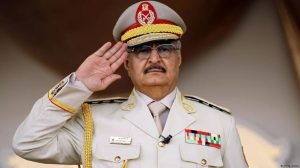
The reversal followed a leadership change in the Libyan parliament, with longtime speaker Aguila Saleh replaced by Al-Salhin Abdel Nabi, a figure previously associated with Turkey’s parliamentary friendship committee. Ankara had been exerting intense diplomatic pressure on Saddam Haftar, son of Khalifa Haftar, to secure ratification, while criticizing Athens for allowing Turkish influence to expand in eastern Libya.
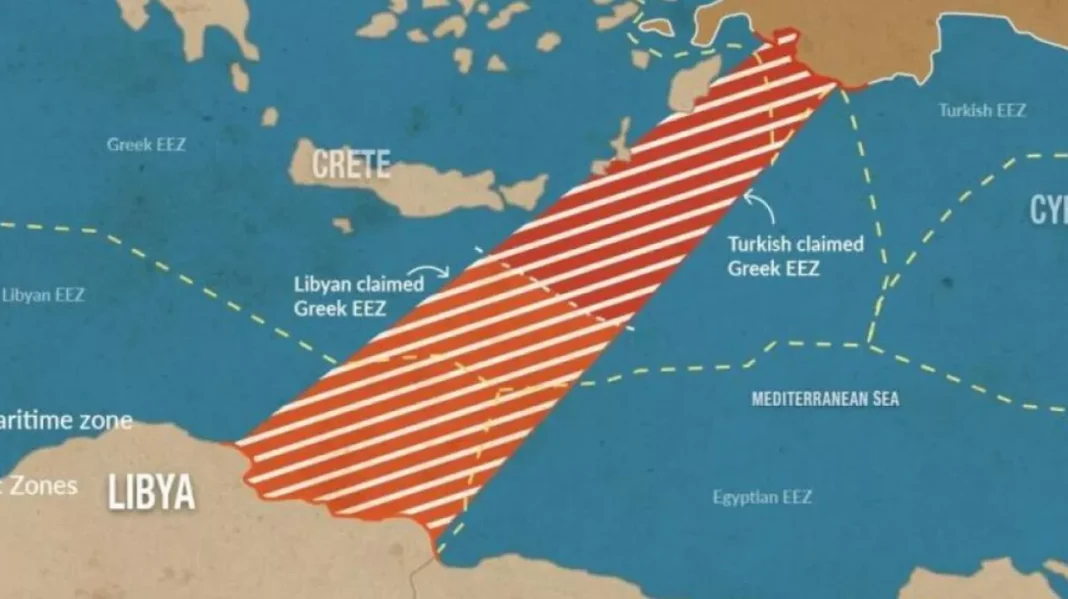
The agreement draws a maritime boundary between Turkey and Libya that Greece rejects because it disregards the maritime entitlements of Crete, Kasos, Karpathos and Rhodes, potentially affecting offshore energy exploration and overlapping with Greece’s partial maritime delimitation agreement with Egypt. Although the Libyan vote does not extinguish Greece’s legal rights, it gives Ankara additional political support for its disputed claims.
Athens responded by declaring the memorandum illegal, null and void, insisting that unilateral parliamentary decisions cannot alter geography or international maritime law. Gerapetritis also contacted his counterparts in Cyprus and Egypt as Greece sought regional coordination, while Cyprus and European Union leaders reaffirmed their opposition to the agreement.
European Union Backs Greece, Rejects Turkish-Libyan Agreement
The European Union delivered an unequivocal diplomatic endorsement of Greece and Cyprus, with European Commission President Ursula von der Leyen and European Council President António Costa jointly condemning Libya’s ratification of the Turkish maritime memorandum. Reaffirming the EU’s longstanding position, the two leaders declared that the agreement violates the sovereign rights of third countries, contravenes the international Law of the Sea, and is “null and void,” while explicitly reaffirming European solidarity with Athens and Nicosia. The unusually forceful intervention strengthens Greece’s legal and diplomatic position against Ankara’s maritime claims, even as Turkey’s expanding influence in Libya raises questions about whether European declarations can translate into effective geopolitical countermeasures.
Yet the episode highlights the central political question behind Samaras’s intervention: how did a Libyan faction previously opposed to Ankara’s maritime claims come to endorse them, despite Greece’s diplomatic engagement with eastern Libya?
For Samaras, Libya fits into a broader pattern of concerns, from migration pressures on Crete and developments around Saint Catherine’s Monastery in Sinai to alleged Turkish-linked property acquisitions in Thrace and Ankara’s expanding regional relationships. He warns that reducing public confrontation with Turkey does not necessarily prevent Ankara from advancing its strategic objectives.
The Mitsotakis government maintains that dialogue with Turkey reduces tensions without compromising Greek sovereign rights, but the Libyan reversal has intensified demands for an explanation of Athens’ diplomatic assessment and its ability to influence developments on the southern flank of the Eastern Mediterranean.
Samaras has turned that question into a direct demand for political accountability, insisting that Mitsotakis should have already removed Gerapetritis from office.
October 20, 2026, www.helleniscope.com, n.stamatakis@aol.com
DISCLAIMER: The views and statements expressed in this article constitute constitutionally protected opinions of this author.
















I agree with Antonis Samaras: Libya’s endorsement of the 2019 Turkish-Libyan maritime memorandum exposes a grave diplomatic failure by the Mitsotakis government, and Foreign Minister George Gerapetritis should be held accountable and dismissed for mismanaging Greece’s response to Turkey’s expanding regional assertiveness.