


ΕΛΛΗΝΙΚΟ ΠΡΩΤΟΤΥΠΟ ΚΕΙΜΕΝΟ ΑΚΟΛΟΥΘΕΙ
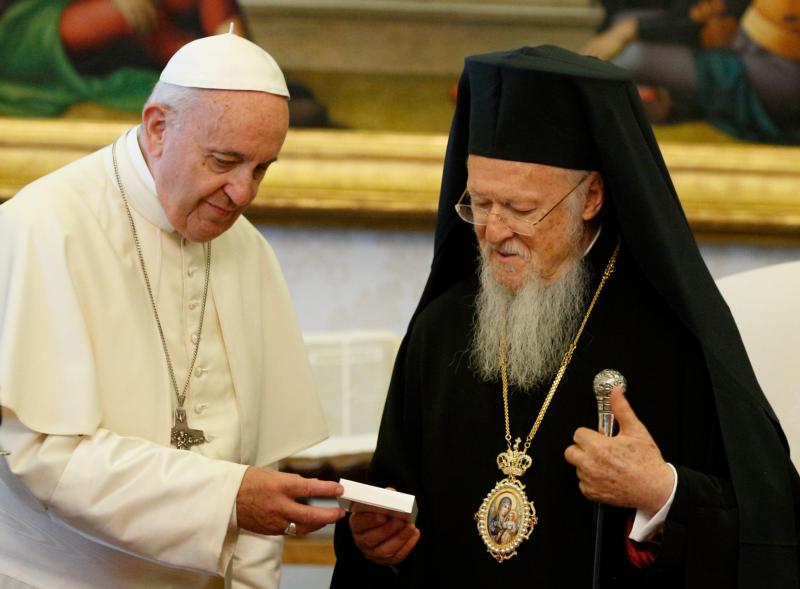
The recent meeting of the Metropolitans of the Phanar in Constantinople brought to the fore a wish and a thought that Ecumenical Patriarch Bartholomew has been working on for years and which, if successful, might bring the Orthodox and Catholic Church closer together in a purely practical matter, in how to calculate the date of Easter.
For centuries, Orthodox and Catholics have been calculating the date of Easter in a different way. Other years it can be a week apart, roughly every four years it coincides, while some years the difference is huge, as was the case in 2024.
In 2024, Orthodox Easter was celebrated on May 5, while Catholic Easter was celebrated on March 31. That is, when the Orthodox still celebrated Lent, the Catholics wished for “Christ is Risen”, while four days after the Orthodox Easter, the Catholics celebrated the Ascension in 2024, which is placed 40 days after Easter. As it can be seen, all this creates confusion and maintains the division within Christianity, as reported by radar.gr
Bartholomew’s wish
In the Ecumenical Patriarchate, there has been a desire for years for a dialogue with the Catholic Church, in order to jointly determine a way of calculating the date of Easter. A good occasion to open this discussion is 2025, when the Orthodox, Catholic and Protestant Easters will coincide and thus all Christians will celebrate the Resurrection on April 20.
The Ecumenical Patriarch Bartholomew had previously emphasized that it is not possible to celebrate Catholic and Orthodox Easter separately. He emphasized this at the recent meeting of the metropolitans in Istanbul.
Common Easter in 2025
Next year, based on separate ways of calculating the date of Easter, Orthodox and Catholics will celebrate Easter on April 20. According to information, the Ecumenical Patriarch will propose to Pope Francis, when the latter visits Nice, Bithynia in May 2025, on the occasion of the 1,700th anniversary of the First Ecumenical Council, to officially start the discussion between the Orthodox Church and the Vatican for the common way of calculating Easter. The Ecumenical Patriarchate proposes the Eastern Orthodox Paschal as the basis for discussion of the common calculation.
It’s all about astronomy
Beyond Theology and History, Astronomy explains why the issue of differences in celebrating Easter is purely mathematical and astronomical, not theological or doctrinal. Practically, the elliptical movement of the Earth around the Sun and how humans determine the time have led to different ways of celebrating Easter.
Dionysis Simopoulos, a great astronomer who popularized astronomy and taught it in homes and schools, wrote a thorough note explaining what astronomical differences, not doctrinal or canonical, have caused the variation in the calculation of the date of Easter. The entire note of Blessed Dionysis Simopoulos is public and accessible on the Eugenides Foundation’s website.
In his note Dionysis Simopoulos noted that “the real difference in the celebration of Easter has to do with astronomy and calendars and not with religion per se”.
Phanar: May the other Churches follow suit
In his speech a few days ago to the metropolitans of the Ecumenical Patriarchate, Mr. Bartholomeos said that “the wish is unanimously expressed that the joint celebration of Easter next year under Eastern and Western Christianity will not be a mere happy coincidence, but the beginning of the establishment of a common date for its annual celebration, under the Paschalion of our Orthodox Church”.
What does this mean practically?”Regarding the matter of the celebration of Easter, for the year the date is common. His Holiness (s.s. Patriarch Bartholomew) said that it would be a wish for the other Churches to follow the Orthodox Easter and for Easter to be celebrated on the same date by all Christians. At the moment, this remains everyone’s wish,” said an important metropolitan of the Ecumenical Patriarchate who wanted his name not to be made public.
The same metropolitan pointed out that the Ecumenical Patriarchate will address the Vatican with the proposal for setting a common Easter date. Regardless of the outcome of this dialogue, which concerns a purely practical and astronomical issue, for the Orthodox, there is no question of any change in the calculation and celebration of the Resurrection and Easter.
“We will not co-celebrate”
For many Orthodox, the news that Patriarch Bartholomew will propose to Pope Francis a common way of calculating the date of Easter has raised questions about whether this will also bring about a union of the two Churches.”The differences between the Orthodox East and the Vatican remain. We are not in a schism, but we are also not in full communion and joint prayer. The fact that we will say “Christ is Risen” on the same day does not mean that there was a union of the Churches. As we celebrate the Resurrection until today, each in his own way and with his own customs, this is how we will do it even after the agreement, if there ever is one,” said an official of the Ecumenical Patriarchate who is not a clergyman, but participates in the dialogue with the Vatican.
Κοντά σε συμφωνία η Ορθόδοξη και η Καθολική εκκλησία για κοινό Πάσχα κάθε χρόνο
Ηπρόσφατη σύναξη των Μητροπολιτών του Φαναρίου στην Κωνσταντινούπολη έφερε στο προσκήνιο μια ευχή και σκέψη που επεξεργάζεται εδώ και χρόνια ο Οικουμενικός Πατριάρχης Βαρθολομαίος και που, εάν ευοδωθεί, ίσως φέρει πιο κοντά την Ορθόδοξη και την Καθολική Εκκλησία σε ένα αμιγώς πρακτικό ζήτημα, στο πώς υπολογίζεται η ημερομηνία του Πάσχα.
Εδώ και αιώνες ορθόδοξοι και καθολικοί υπολογίζουν με διαφορετικό τρόπο την ημερομηνία του Πάσχα. Άλλες χρονιές μπορεί να έχει διαφορά μίας εβδομάδας, περίπου κάθε τέσσερα χρόνια συμπίπτει, ενώ κάποιες χρονιές η διαφορά είναι τεράστια, όπως συνέβη το 2024.
Το 2024 το ορθόδοξο Πάσχα γιορτάστηκε στις 5 Μαΐου, ενώ το Πάσχα των καθολικών στις 31 Μαρτίου. Δηλαδή όταν οι ορθόδοξοι διήγαν ακόμα τη Σαρακοστή οι καθολικοί εύχονταν το «Χριστός Ανέστη», ενώ τέσσερις ημέρες μετά το ορθόδοξο Πάσχα, οι καθολικοί γιόρταζαν το 2024 την Ανάληψη, που τοποθετείται χρονικά 40 ημέρες μετά το Πάσχα. Όπως είναι λοιπόν αντιληπτό όλα αυτά δημιουργούν σύγχυση και συντηρούν την διαίρεση στους κόλπους της χριστιανοσύνης, όπως αναφέρει η radar.gr
Στο Οικουμενικό Πατριαρχείο υπάρχει εδώ και χρόνια διάθεση για διάλογο με την καθολική Εκκλησία, ώστε να καθοριστεί από κοινού τρόπος υπολογισμού της ημερομηνίας του Πάσχα. Μια καλή αφορμή για να ανοίξει αυτή η συζήτηση είναι το 2025, οπότε το Πάσχα ορθόδοξων, καθολικών και προτεσταντών θα συμπέσει και έτσι όλοι οι χριστιανοί θα γιορτάσουν την Ανάσταση στις 20 Απριλίου.
Ο Οικουμενικός Πατριάρχης Βαρθολομαίος στο παρελθόν είχε τονίσει ότι δεν γίνεται να γιορτάζεται ξεχωριστά το καθολικό και ορθόδοξο Πάσχα. Αυτό τόνισε και στην πρόσφατη σύναξη των μητροπολιτών στην Κωνσταντινούπολη.
Κοινό Πάσχα το 2025
Την επόμενη χρονιά, με βάση τους ξεχωριστούς τρόπους υπολογισμού της ημερομηνίας του Πάσχα, ορθόδοξοι και καθολικοί θα γιορτάσουν το Πάσχα στις 20 Απριλίου. Σύμφωνα με πληροφορίες, ο Οικουμενικός Πατριάρχης θα προτείνει στον Πάπα Φραγκίσκο, όταν ο δεύτερος επισκεφθεί τη Νίκαια της Βιθυνίας τον Μάιο του 2025, με αφορμή τα 1.700 χρόνια από την Α’ Οικουμενική Σύνοδο, να ξεκινήσει επίσημα η συζήτηση ανάμεσα στην ορθόδοξη Εκκλησία και το Βατικανό για τον κοινό τρόπο υπολογισμού του Πάσχα. Από το Οικουμενικό Πατριαρχείο προτείνεται ως βάση συζήτησης του κοινού υπολογισμού το ανατολικό ορθόδοξο Πασχάλιο.
Όλα είναι θέμα αστρονομίας
Πέρα από τη Θεολογία και την Ιστορία, η Αστρονομία εξηγεί γιατί το ζήτημα της διαφοράς στον εορτασμό του Πάσχα είναι αμιγώς μαθηματικό και αστρονομικό και όχι θεολογικό ή δογματικό. Πρακτικά η ελλειπτική κίνηση της Γης γύρω από τον Ήλιο και το πώς καθορίζουμε εμείς οι άνθρωποι τον χρόνο, έχει οδηγήσει στον διαφορετικό τρόπο εορτασμού του Πάσχα.
Ο Διονύσης Σιμόπουλος, ένας σπουδαίος αστρονόμος, που εκλαΐκευσε την αστρονομία και την έβαλε στα σπίτια και στα σχολεία έγραψε ένα εμπεριστατωμένο σημείωμα, που εξηγεί ποιες διαφορές αστρονομικές και όχι δογματικές ή νομοκανονικές έχουν προκαλέσει τη διαφοροποίηση στον τρόπο υπολογισμού της ημερομηνίας του Πάσχα. Όλο το σημείωμα του μακαριστού Διονύση Σιμόπουλου είναι δημόσιο και προσβάσιμο στην ιστοσελίδα του Ιδρύματος Ευγενίδου.
Φανάρι: Ευχής έργον να ακολουθήσουν και οι άλλες Εκκλησίες
Ο κ. Βαρθολομαίος στην ομιλία του, πριν από λίγες ημέρες, προς τους μητροπολίτες του Οικουμενικού Πατριαρχείου ανέφερε ότι «εκφράζεται ομοθυμαδόν η ευχή ο κοινός εορτασμός του Πάσχα κατά το επόμενον έτος υπό της Ανατολικής και Δυτικής Χριστιανοσύνης, να μη αποτελέση μίαν ευτυχή απλώς σύμπτωσιν, αλλά την απαρχήν της καθιερώσεως κοινής ημερομηνίας διά τον εορτασμόν του κατ᾽ έτος, συμφώνως προς το Πασχάλιον της καθ᾽ ημάς Ορθοδόξου Εκκλησίας».
Τί σημαίνει αυτό πρακτικά. «Όσον αφορά το θέμα του εορτασμού του Πάσχα, για μεν του χρόνου είναι κοινή η ημερομηνία. Ο Παναγιώτατος (σ.σ. ο Πατριάρχης Βαρθολομαίος) είπε ότι θα ήτο ευχής έργον να ακολουθήσουν και οι άλλες Εκκλησίες το Ορθόδοξο Πασχάλιο και να εορτάζεται την ίδια ημερομηνία το Πάσχα από όλους τους χριστιανούς. Επί του παρόντος αυτό παραμένει ευχή όλων» ανέφερε σημαίνων μητροπολίτης του Οικουμενικού Πατριαρχείου που όμως θέλησε να μη δημοσιοποιηθεί το όνομά του.
Ο ίδιος μητροπολίτης επισήμανε ότι η πρόταση για καθορισμό κοινής ημερομηνίας του Πάσχα θα απευθυνθεί προς το Βατικανό από το Οικουμενικό Πατριαρχείο. Ανεξάρτητα από το ποια θα είναι η κατάληξη αυτού του διαλόγου, που είναι για ένα αμιγώς πρακτικό και αστρονομικό ζήτημα, για τους Ορθόδοξους δεν τίθεται θέμα καμίας αλλαγής στον υπολογισμό και στον εορτασμό της Ανάστασης και του Πάσχα.
«Δεν θα συλλειτουργούμε»
Σε πολλούς ορθοδόξους η είδηση ότι ο Πατριάρχης Βαρθολομαίος θα προτείνει στον Πάπα Φραγκίσκο κοινό τρόπο υπολογισμού της ημερομηνίας του Πάσχα προκάλεσε ερωτήματα για το αν αυτό θα φέρει και ένωση των δυο Εκκλησιών. «Οι διαφορές της ορθόδοξης ανατολής με το Βατικανό παραμένουν. Δεν είμαστε σε σχίσμα, αλλά δεν είμαστε και σε πλήρη κοινωνία και συμπροσευχή. Το αν θα λέμε την ίδια ημέρα το “Χριστός Ανέστη” δεν σημαίνει ότι έγινε ένωση των Εκκλησιών. Όπως γιορτάζουμε μέχρι σήμερα, ο καθένας με τον τρόπο του και τα έθιμα του την Ανάσταση, έτσι θα το πράττουμε και μετά την συμφωνία, εάν υπάρξει ποτέ αυτή» είπε στέλεχος του Οικουμενικού Πατριαρχείου που δεν είναι κληρικός, αλλά συμμετέχει στο διάλογο με το Βατικανό.














Because of the tension within the Orthodox realm over Ukraine and related issues, it is unlikely that all Orthodox will be on board with a common Pascha date at this time.
Further, for those of us who are in the US, having Pascha on a different date most of the time provides us with a good evangelism outreach opportunity, as we can invite our Catholic and Protestant friends to come see our magnificent Pascha a week or so after they have had their somewhat more sedate services.
The magnitude of the utter delusion here can be summarized by this single quote from above…
”The differences between the Orthodox East and the Vatican remain. We are not in a schism, but we are also not in full communion and joint prayer…”
Even worse, the article confirms that “non-clergy” delusional people are placed in “dialogue with heretics”, and are now being interviewed by the media as authoritative entities on this subject…
In the good ol’ days, real Orthodox bishops would have already stepped in to declare all these apostates heretics, defrock them, and we would have been done with all this nonsense. Instead, they sadly remain in their “seats”, and continue to drive the “schismatic party bus” off the cliff…
There is only one position of authority in the Church and it is held exclusively by Jesus Christ.
If you believe yourself to be a Christian, herein are your marching orders from your Lord and Master Himself!
Wake up! Stay away from global minded false teachers aka “religious leaders” that claim to be servants of Christ.
What a joke!
Thank God most of the other Patriarchs haven’t completely lost their mind like this!
OTOH, I read recently Metropolitan Philaret Third and First Sorrowful Epistle. Everyone should read them! Things with Ecumenism were no better during Metropolitan Philaret (of NY)’s life! His letters really gave me hope that if enough of our bishops will speak out, nothing will come out of next year’s meeting. I hear from Rocor that Metropolitan Philaret is considered for canonicalization. We really need holy man like him today, to speak out!
Στήκετε των παραδόσεων, αυτά που λέγει ο Βαρθολομαίος και τα τσιράκια του, ότι θα είναι Σχισματικοί οι
Καθολικοί, αλλά μόνο θα συνεορτάζουμε το Πάσχα χωρίς συλλείτουργο αν δεν είναι παγίδα είναι
βλακεία. Το θέμα κυρίες και Κύριοι είναι πολύ απλό. Αν θέλουν να εορτάζουν την ίδια μέρα με μας ας
ακολουθήσουν τον ίδιο δρόμο που ακολουθούμε εμείς, δεν θα τους εμποδίσει κανένας.
Και είναι πάρα πολύ απλό. Την πρώτη Κυριακή μετά την πρώτη πανσέληνο της εαρινής Ισημερίας.
Τα σούρτα και τα φέρτα δεν χρειάζονται, τα ταξίδια και τα συμπόσια βγαίνουν όλα από την
πλάτη μας.
I have a question for the Greeks here. What is the meaning of the red cross on the vestments of some Fathers? Is it the same as the Great Schisma? Or is it a Greek kind of vestments in Mt. Athos?
See pic with Geronda Epraim:
Many thanks!
https://1.bp.blogspot.com/-cry65Z2iaSQ/Xm5OvC1rRaI/AAAAAAAApXs/upUqD07sm1APOcOzyaZhwTW2O5O-5S_SgCLcBGAsYHQ/s1600/elder%2Bephraim%2Barizona.jpg
Sorry, I mean to write Great Schema, not Great Schisma
Many thanks, sorry for the confusion. We have catechumens and they were asking me questions about the vestments of the great schema. I recognized the one with the white angels on black clothing. But I don’t know what this with the red cross with the letters. Is it typical to a certain rank of monastics? Is it Greek Specific?
Thanks!