
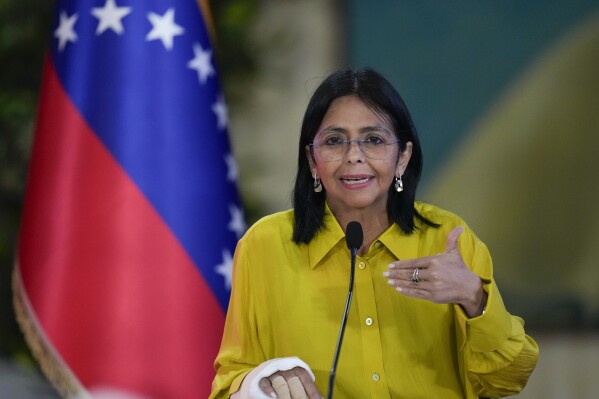
EDITOR’S NOTE (Nick Stamatakis). In this video, Prof. Mearsheimer analyzes the first 30 hours following the capture of Nicolás Maduro, arguing that the operation produced consequences opposite to those intended by the United States. Rather than creating a power vacuum, the intervention triggered a rapid constitutional response in Venezuela, with the Supreme Court elevating Vice President Deli Rodríguez to full presidential authority under the doctrine of temporary absence. The video contends that this decision transformed Rodríguez into a constitutionally legitimate focal point for national resistance, uniting previously divided political factions under a shared defense of sovereignty.
Personally, I have to be a bit more restrained in this respect: It may be that Rodriguez, who has undoubtedly been a very “anti-imperialist” figure in the past, has reached a deal with the American establishment and is presenting a “popular front” for domestic consumption.
But Prof. Mearsheimer’s analysis emphasizes how Rodríguez’s appeal to constitutional continuity and anti-colonial nationalism activated long-standing militia networks, neighborhood councils, and labor organizations, particularly in urban centers and the oil sector. According to the argument presented, these embedded civilian structures created a powerful asymmetric resistance capability that military superiority alone could not neutralize. The video further explores the strategic, economic, and regional implications of this legitimacy imbalance, suggesting that oil infrastructure vulnerability, regional backlash in Latin America, and geopolitical opportunities for rivals such as China compounded U.S. difficulties.
Overall, the video frames the episode as a case study in how external military intervention can generate internal legitimacy and mass resistance, predicting a familiar pattern of initial tactical success followed by rising costs, international isolation, and eventual withdrawal.
============