
ΕΑΝ ΠΡΟΤΙΜΑΤΕ ΕΛΛΗΝΙΚΑ ΠΑΤΗΣΤΕ ΤΗ ΣΗΜΑΙΑ ΣΤΟ ΚΑΤΩ ΜΕΡΟΣ ΤΗΣ ΟΘΟΝΗΣ
By Nick Stamatakis
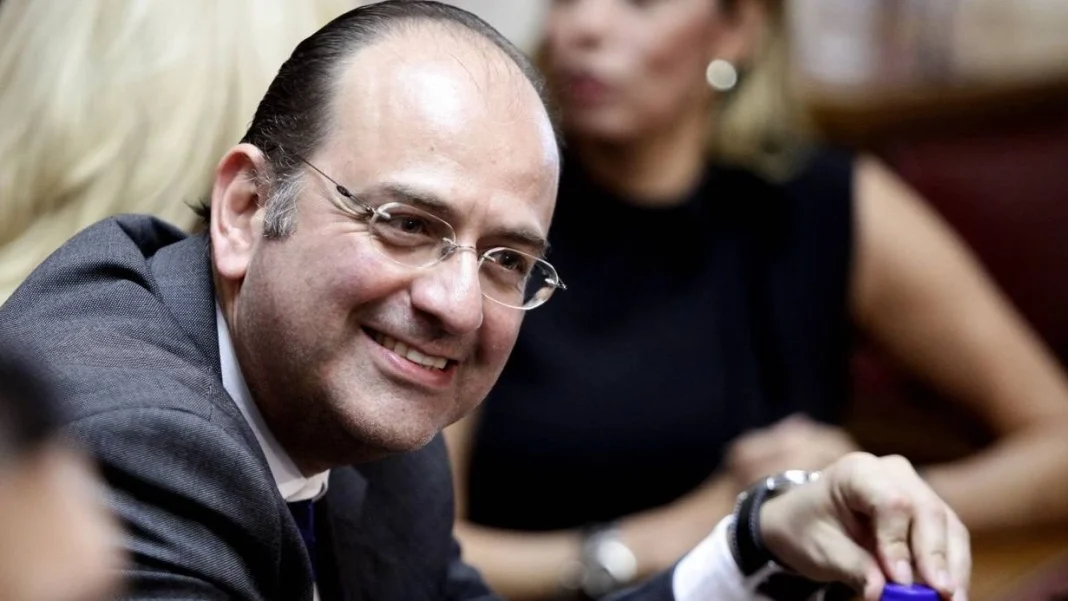
Greece has been rocked for over a week by the scandal of the New Democracy M.P. and recently appointed undersecretary of Agricultural Development, Makarios Lazaridis. It is not merely another political misstep—it feels like a familiar script playing out again. Within days of his appointment, serious questions emerged about the academic credentials that underpin his public profile. What should have been a routine affirmation of merit quickly unraveled into a tangle of contradictions: shifting descriptions of his studies, disputed timelines, and explanations that strain credibility. In a government that has repeatedly styled itself as one of competence—the “best and the brightest”—the resemblance to the 2019 case of Antonis Diamataris is difficult to ignore. The difference this time is not the nature of the controversy, but the tolerance for it.
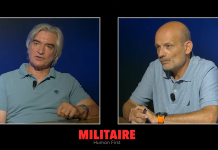
Here you see Lazaridis trying to explain why he lied, and naturally, he makes things worse…
At the center of the issue are inconsistencies that are difficult to dismiss as minor clerical errors. Lazaridis has offered varying descriptions of his academic background—at times suggesting a university degree, at others referring to a certificate from a private institution. The timeline itself has drawn scrutiny: reported graduation dates appear to precede the institution’s establishment or accreditation. When confronted, his explanations have ranged from “syntax errors” to the assertion that he is under no obligation to justify past representations. in the following statement, Lazaridis claims that he graduated from a public university…
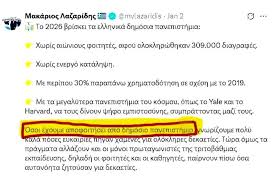
These details matter because they cut to a fundamental expectation in democratic governance: that those who hold power present their qualifications truthfully. The government that appointed Lazaridis has often framed itself as competent—sometimes summarized rhetorically as “the best and the brightest.” In that context, even ambiguity over basic credentials becomes politically charged.
The comparison with the 2019 case of Antonis Diamataris is unavoidable. Diamataris claimed an MBA from Columbia University that he had not completed. Later, it was revealed that he did not even complete a Bachelor’s degree from Queens College!! The facts were clearer, the misrepresentation more straightforward, and the political consequence swift. Within days, he resigned, and the episode was treated as a reputational liability that needed immediate containment.
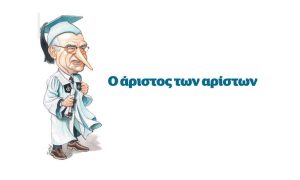
The Lazaridis affair is less tidy but arguably more troubling. Instead of a single false claim, it presents a pattern of shifting explanations and unresolved discrepancies. Yet, unlike in 2019, the political response has been slower and more ambivalent. Lazaridis remains in office, and the controversy continues to unfold in public view.
Supporters of the government argue that the situation is being politicized—that discrepancies in CVs, while regrettable, should not overshadow broader policy work. Critics counter that such reasoning misses the point: the issue is not merely academic formalities but trust. If basic facts about a minister’s background are unclear, confidence in more consequential decisions may erode.
This tension reflects a broader challenge in modern politics. Standards of accountability are not static; they are set and reset by how institutions respond to moments like these. The Diamataris case suggested a low tolerance for misrepresentation. The Lazaridis case raises the question of whether that threshold has shifted.
Ultimately, the debate is not only about one official or one résumé. It is about the credibility of governance itself—whether claims of merit and excellence are rigorously upheld or gradually diluted under the pressure of political expediency. In that sense, the current controversy is less an isolated scandal than a measure of institutional expectations, still being defined in real time.
April 14, 2026, n.stamatakis@aol.com www.helleniscope.com
DISCLAIMER: The views and statements expressed in this article constitute constitutionally protected opinions of this author.