
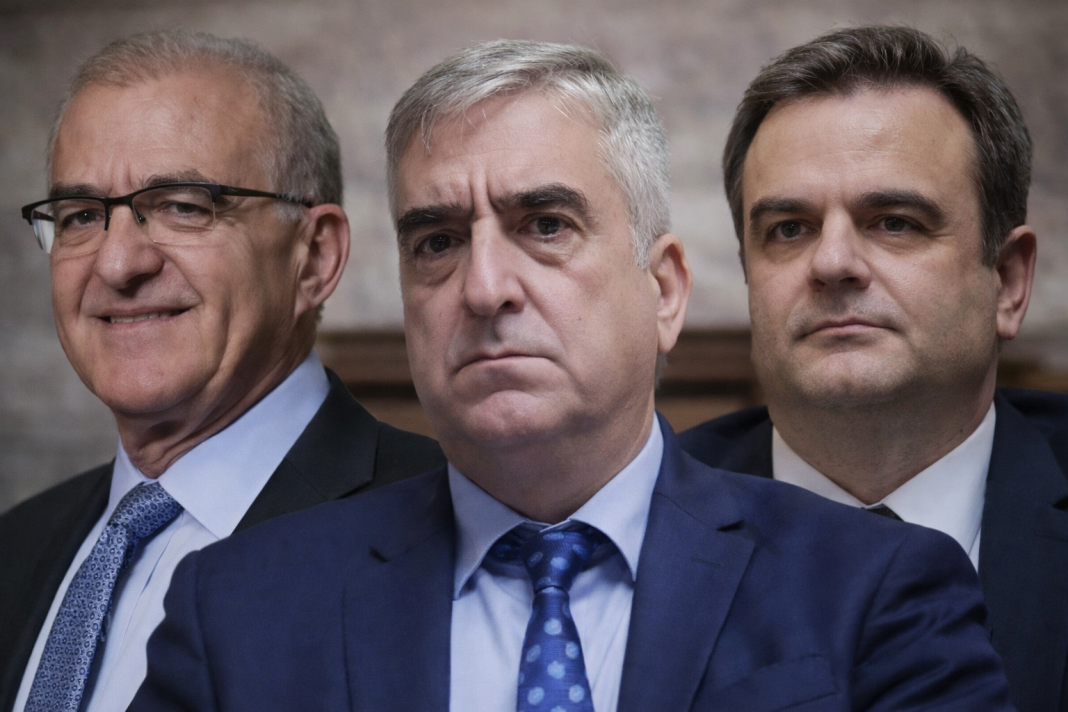
PHOTO: The three “personifications” of the best and brightest…
ΕΑΝ ΠΡΟΤΙΜΑΤΕ ΕΛΛΗΝΙΚΑ ΠΑΤΗΣΤΕ ΤΗ ΣΗΜΑΙΑ ΣΤΟ ΚΑΤΩ ΜΕΡΟΣ ΤΗΣ ΟΘΟΝΗΣ
By Helleniscope’s Editorial Team
Today, Makarios Lazarides, undersecretary of Agricultural Development, finally resigned – under heavy pressure by Dora Bakoyianni, it seems, who expressed her dismay in a TV show about his continued lies regarding his academic credentials. In recent years, Greece’s political landscape has been shaken by a series of controversies involving high-profile appointments and questionable academic credentials—cases that heavily challenge the initial narrative of meritocracy promoted by Prime Minister Kyriakos Mitsotakis. “We are the government of the best and the brightest!!”
The first major scandal erupted around Antonis Diamataris, the former TNH publisher and an undersecretary of Foreign Affairs for the Greeks Abroad, who claimed to hold an MBA from Columbia University. When it was revealed that this qualification was inaccurate, public backlash was swift. The controversy ultimately led to his resignation, marking one of the earliest blows to the government’s credibility on issues of transparency. In the process, it was proved that he did not even have the B.A. degree from Queen’s College!! He received both degrees with over 40 years delay after 2020…
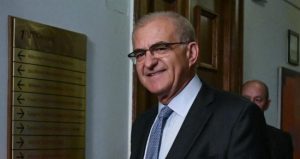
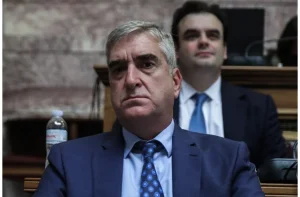
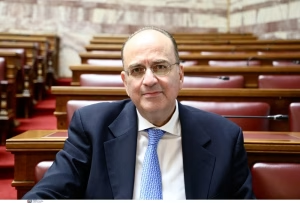
Not long after, attention turned to Panagiotis Kontoleon, appointed head of the National Intelligence Service (Greece). Unlike the Diamataris case, the issue here was not exaggeration but absence: Kontoleon reportedly did not possess the university degree required by law for the position. Instead of stepping down, the legal framework was changed to allow either a degree or extensive professional experience. The move sparked debate over whether standards were being adapted to fit individuals rather than consistently upheld.
The so-called “Lazaridis case” added further fuel to the fire, reinforcing a perception among critics that these were not isolated incidents but part of a broader pattern. Questions emerged about vetting processes, accountability, and whether political loyalty was being prioritized over qualifications.
Together, these cases have been framed by opponents as emblematic of a deeper issue: the gap between the promise of appointing the “best and brightest” and the reality of controversial selections.
As Greece continues to navigate these debates, one thing remains clear: in the arena of public service, credibility is as critical as competence—and both are now firmly under scrutiny.
April 18, 2026, n.stamatakis@aol.com www.helleniscope.com
DISCLAIMER: The views and statements expressed in this article constitute constitutionally protected opinions of this author.