

ΕΑΝ ΠΡΟΤΙΜΑΤΕ ΕΛΛΗΝΙΚΑ ΠΑΤΗΣΤΕ ΤΗ ΣΗΜΑΙΑ ΣΤΟ ΚΑΤΩ ΜΕΡΟΣ ΤΗΣ ΟΘΟΝΗΣ
When a civilization looks back and creates something beautiful: On artistic perfection, cultural memory, and the beauty of civilizational decline. Can a civilization produce its greatest art as it begins to fade?
By Nick Stamatakis
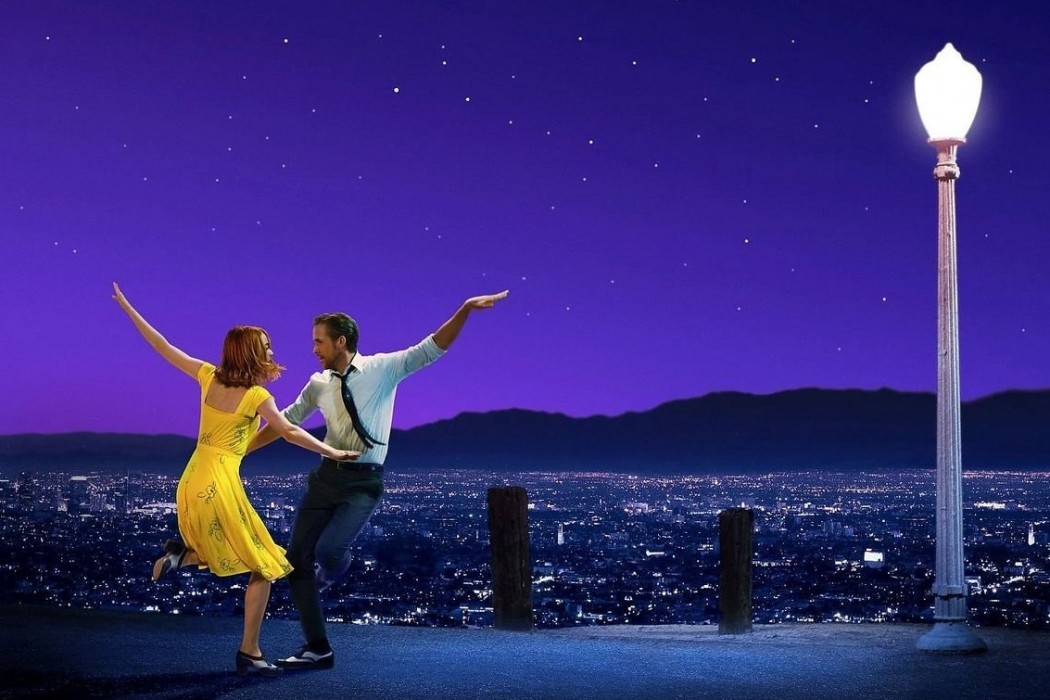
When I first saw the “Lovely Night” scene from La La Land about ten years ago with Emma Stone and Ryan Gosling dancing above Los Angeles at sunset (video below along with some other wonderful scenes from the movie that enhance my points here), I had an almost overwhelming reaction: Could this be the apex of American cultural achievement? Not necessarily the greatest artwork America has ever produced, but perhaps a moment in which a century of Hollywood technique, music, dance, cinematography, glamour, and myth had been distilled into something nearly perfect.
That reaction led to a broader thought: perhaps the artistic apex of a civilization often arrives not during its period of greatest expansion, but when that civilization has already entered a trajectory of maturity or decline.
La La Land is especially suggestive because its beauty is fundamentally retrospective. The “Lovely Night” sequence is not simply a beautifully choreographed dance. It carries within it the memory of Fred Astaire, Gene Kelly, the classical Hollywood musical, Technicolor romance, jazz, and the mythology of Los Angeles itself. The film creates something new, but it does so with full awareness of an enormous inherited tradition.
This may be characteristic of mature civilizations. Young civilizations are often occupied with expansion, institution-building, technological innovation, conquest, and creating new forms. Their art can be powerful and original, but it is often less self-conscious. Mature civilizations, by contrast, possess centuries of accumulated techniques, institutions, wealth, artistic references, and historical memory. Their artists can draw upon this vast inheritance and produce works of extraordinary refinement.
Yet that sophistication may also contain a symptom of aging. A culture increasingly looks backward: quoting, recombining, perfecting, and sometimes mourning its own inheritance. Oswald Spengler famously described something similar in his distinction between a youthful, organically creative “culture” and a later, highly sophisticated “civilization.”
History offers intriguing parallels. Athens produced extraordinary drama, philosophy, and architecture around the era of the Peloponnesian War and the decline of its imperial power. Renaissance Italy reached astonishing artistic heights while becoming politically vulnerable to larger European states. Vienna around 1900 produced Klimt, Mahler, Freud, Wittgenstein, and Schoenberg shortly before the Habsburg Empire disappeared.
Of course, this is not a historical law. Great artistic periods have also accompanied expansion and confidence. Shakespearean England and much of twentieth-century American culture are obvious counterexamples.
Perhaps, then, there are two kinds of cultural greatness. There is springtime greatness, which declares: “Nobody has done this before.” And there is autumnal greatness, which says: “We inherit everything that came before us, and we can transform it with extraordinary sophistication.”
The “Lovely Night” scene feels like the second kind. It may not literally be the apex of American culture. But it can feel like the creation of a civilization at extraordinary artistic maturity—a civilization capable of looking back across a century of its own cultural memory and, for a few minutes, turning that memory into something almost impossibly graceful.
Perhaps one sign that a civilization has grown old is that paradise gradually moves location: from somewhere in the future to somewhere in the past.
================
The second most artistically perfect scene from La La Land… “Dancing in the stars”…