

ΕΑΝ ΠΡΟΤΙΜΑΤΕ ΕΛΛΗΝΙΚΑ ΠΑΤΗΣΤΕ ΤΗ ΣΗΜΑΙΑ ΣΤΟ ΚΑΤΩ ΜΕΡΟΣ ΤΗΣ ΟΘΟΝΗΣ
By Helleniscope’s Editorial Team
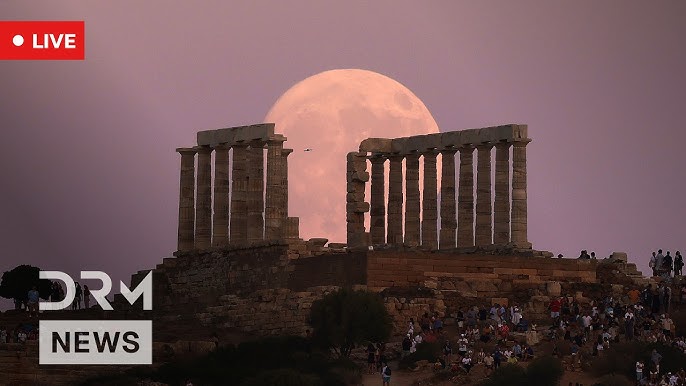
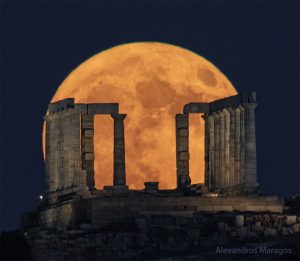
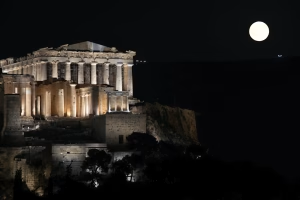
The August full moon rose over Greece like a lantern suspended above history, casting its warm light across marble, sea and city. From the Acropolis in Athens to the waterfront of Thessaloniki, from Nafplio to Cape Sounion, the Sturgeon Moon transformed familiar landscapes into something almost timeless. It climbed slowly over ancient stones and darkened horizons, glowing gold above the Parthenon, the Temple of Poseidon and the quiet waters of the Thermaic Gulf, as photographers and night-time wanderers turned their eyes skyward.
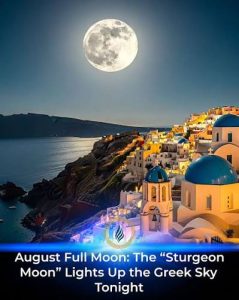
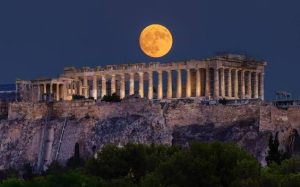
Before that luminous evening came an even rarer moment. In the early hours of August 28, the Moon slipped into Earth’s shadow during a deep partial lunar eclipse, its bright face briefly muted into darker shades of copper and red. Seen low above the horizon, the eclipsed Moon offered a fleeting, dreamlike contrast to the brilliant orb that would rise again hours later. Across Greece and the wider Mediterranean, cameras caught the changing light — from shadowed dawn to amber moonrise — tracing the Moon’s passage through a single extraordinary day.
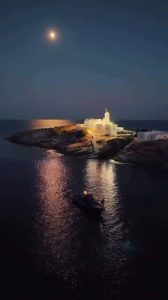
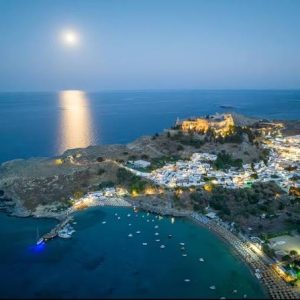
In Greece, the full moon has long belonged not only to the sky but also to the landscape beneath it. Archaeological sites, monuments and museums opened their doors after sunset, inviting visitors to walk among ruins and columns washed in moonlight. For one summer night, the distance between past and present seemed to soften: ancient temples stood beneath the same celestial light that has watched over them for centuries, and Greece once again became a meeting place of stone, sea and stars.
August 29, 2026, www.helleniscope.com, n.stamatakis@aol.com
DISCLAIMER: The views and statements expressed in this article constitute constitutionally protected opinions of this author.