ΕΑΝ ΠΡΟΤΙΜΑΤΕ ΕΛΛΗΝΙΚΑ ΠΑΤΗΣΤΕ ΤΗ ΣΗΜΑΙΑ ΣΤΟ ΚΑΤΩ ΜΕΡΟΣ ΤΗΣ ΟΘΟΝΗΣ
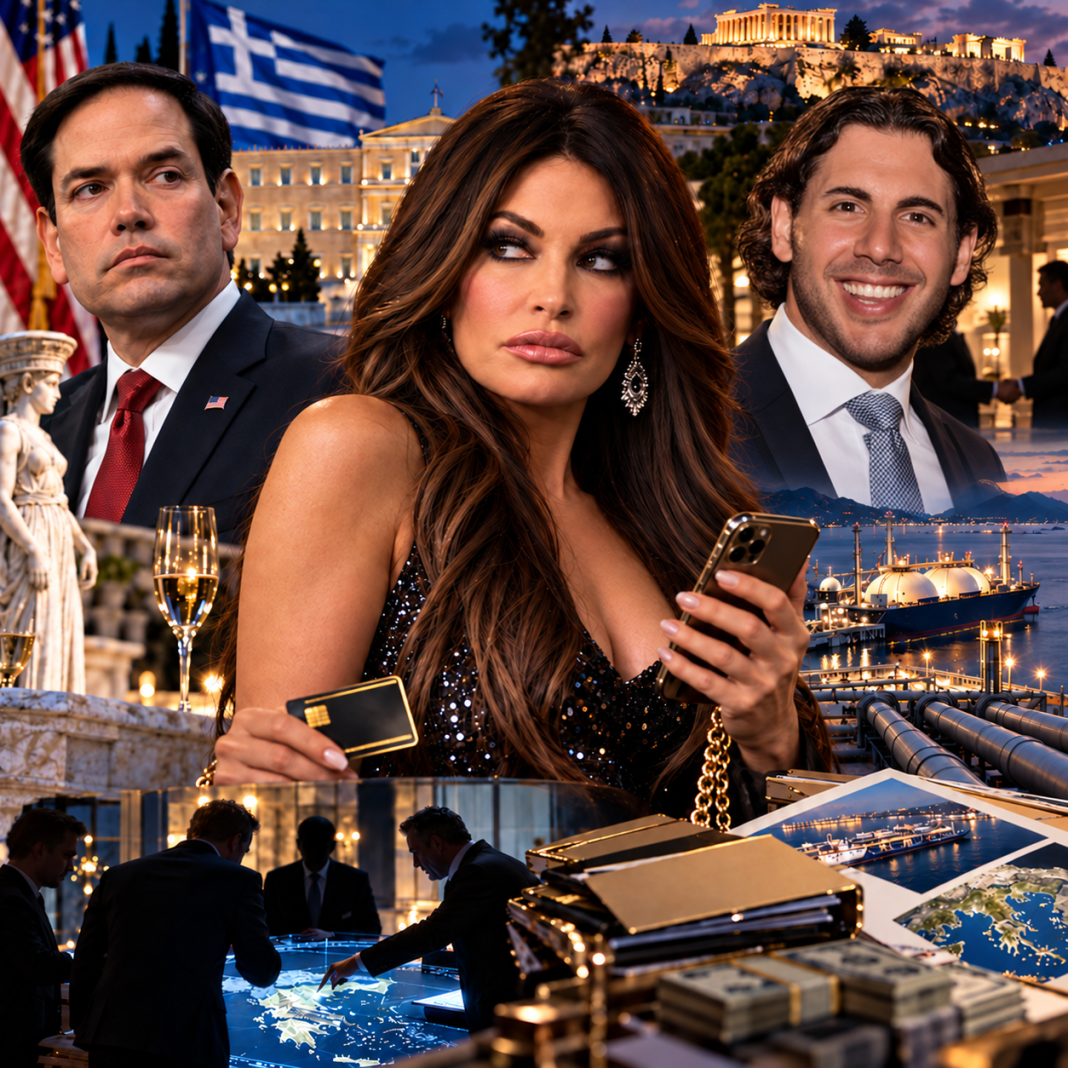
OUR MAIN PHOTO: An artistic rendition of the Rubio-Guilfoyle-Marafatsos controversy
Explosive Wall Street Journal revelations place U.S. Ambassador Kimberly Guilfoyle under scrutiny over an alleged $100,000 financial request and her controversial relationship with Greek-American lobbyist Christos Marafatsos. Reportedly paid by companies seeking access to Washington, Marafatsos accompanied the ambassador to high-level diplomatic meetings while representing powerful Greek energy interests. As congressional investigators demand answers about potential conflicts of interest and the blurred lines between diplomacy and private business, Secretary of State Marco Rubio faces uncomfortable questions during his Athens visit. The unfolding controversy raises serious concerns about transparency, political influence, and accountability at the highest levels of American diplomacy in Greece.
By Helleniscope’s Editorial Team
New Wall Street Journal’s revelations raise separate questions about the ambassador’s financial dealings and the unusual access enjoyed by a Greek-American lobbyist whose clients have significant energy interests in Southeastern Europe.
The controversy surrounding U.S. Ambassador to Greece Kimberly Guilfoyle took another turn during Secretary of State Marco Rubio’s visit to Athens, as The Wall Street Journal reported that Guilfoyle had allegedly asked Republican donor Eric Deters to pay a $100,000 American Express bill shortly before her July 2025 Senate confirmation hearing, while offering to use her connections within the Trump administration to help resolve his legal and tax difficulties. According to messages the newspaper reviewed, Guilfoyle sought a discreet payment to avoid creating a conspicuous financial record, although Deters ultimately declined the request and Guilfoyle’s lawyer disputed the correspondence’s authenticity.
But the potentially more consequential diplomatic controversy concerns Christos Marafatsos, the Greek-American political operative and registered lobbyist whose extraordinary access to Guilfoyle and senior European officials has raised questions about the intersection of American diplomacy and private business interests.
Marafatsos, a longtime Trump supporter with no official diplomatic appointment, has reportedly accompanied Guilfoyle to meetings with government leaders across Southeastern Europe, sometimes sitting beside her during sensitive discussions about regional energy policy. According to the Journal’s September 25 investigation, some foreign officials even mistook him for the ambassador’s chief of staff, while participants in certain meetings were allegedly unaware that he simultaneously represented Aktor Group, a Greek construction and energy company whose commercial interests Guilfoyle was promoting.
Federal lobbying disclosures show that Aktor paid Marafatsos’s lobbying firm $160,000 through June 2026 to establish connections with the White House executive apparatus and the Departments of State and Energy, while the Journal reported that his total lobbying income from multiple clients exceeded $440,000 over approximately nine months. Marafatsos formally began lobbying for Aktor in November 2025, shortly after Guilfoyle arrived in Athens, and his growing commercial portfolio included additional companies with interests in energy, shipping, and infrastructure.
These revelations have already drawn Congress’s attention, with Representative Gregory Meeks and Senator Jeanne Shaheen calling for scrutiny of Guilfoyle’s conduct, including her relationship with Marafatsos, the disclosure of his commercial interests, and reports of travel aboard private aircraft linked to energy executives. Their concerns extend beyond the legality of lobbying itself to the possibility that a privately compensated intermediary was granted unusual access to official diplomatic proceedings without adequate disclosure, although neither the reported payments nor Marafatsos’s presence at meetings independently establishes misconduct.
The central unanswered question is whether Christos Marafatsos was operating strictly as a properly disclosed private lobbyist or whether his unusually close proximity to Ambassador Guilfoyle enabled commercial interests to gain privileged access to American diplomacy. That distinction, together with the separate allegations surrounding Guilfoyle’s personal financial requests, deserves examination through documentary evidence and appropriate oversight rather than political accusation alone.
Sources & References
1. The Wall Street Journal, September 25, 2026: The Mystery Man Shadowing Kimberly Guilfoyle as She Pushes Deals Across Europe — Christos Marafatsos, Aktor Group, lobbying payments, and access to diplomatic meetings.
2. U.S. House Foreign Affairs Committee, October 1, 2026: Meeks Investigates Conduct of Ambassador Kimberly Guilfoyle — Congressional inquiry into Marafatsos’s lobbying activities and potential conflicts of interest.
3. The Wall Street Journal, October 2, 2026: Democrats Call for Probe Into Kimberly Guilfoyle’s Conduct — Congressional demands for an investigation into her diplomatic activities.
4. The Wall Street Journal, October 7, 2026: Kimberly Guilfoyle Pushed Donor to Wire $100,000 to Her Amex Account — Allegations involving Republican donor Eric Deters and requests for financial assistance.
5. The Wall Street Journal, October 8, 2026: Texts Show Guilfoyle Seeking $100,000 and Offering Access to Trump Officials — Reported communications concerning payments and access to administration officials.
6. Associated Press, October 8, 2026: Rubio Refuses to Comment on Guilfoyle Allegations — Rubio’s response during his Athens visit.
7. Associated Press, October 7, 2026: From the Acropolis, Rubio Urges Europe to Defend Western Values — Rubio’s Athens speech and the diplomatic context of his visit.