


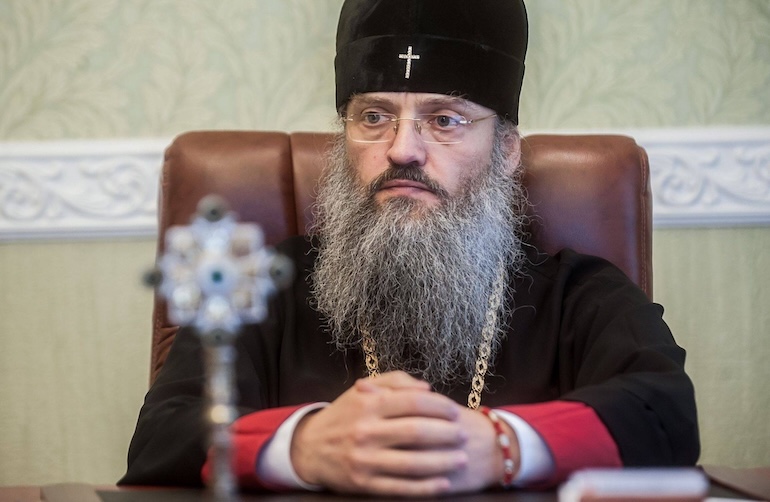
source – romfea.gr ΤΟ ΕΛΛΗΝΙΚΟ ΠΡΩΤΟΤΥΠΟ ΣΤΟ ΤΕΛΟΣ ΤΗΣ ΑΝΑΡΤΗΣΗΣ
By Metropolitan Luke of Zaporizhzhia (link here for his bio)
History bestows the title “the Great” sparingly.
And usually, it waits until a person’s life has come to an end.
As long as a person lives, he is surrounded by flatterers.
After his death, when the voices of flattery have fallen silent, later generations can judge his work more impartially.
Solon told King Croesus that, before one could call a man happy, one must first see the end of his life.
Something similar applies to greatness.
What, then, is required for someone to be called “the Great”?
He must leave behind a body of work that will withstand the test of time, and a people must keep his memory alive freely and without coercion.
Basil the Great, Athanasius the Great, Anthony the Great, and so many others have remained in the Church’s memory with this title.
During their lifetimes, they shunned glory. Some sought the obscurity of the desert, while others wished to avoid the episcopal throne.
Their greatness was also evident in how little they cared about their own posthumous reputation.
When the title “the Great” is bestowed upon someone during his lifetime, it often serves propaganda purposes.
Stalin and Kim Il Sung were praised as “Great Leaders,” and Mao as the “Great Helmsman.”
The repetition of these titles formed part of the cult of personality.
Even those who did not believe what they were saying scarcely dared to remain silent.
First came the title, and then the museum.
In 1949, a museum displaying the gifts presented to Stalin opened in Moscow.
In North Korea, while Kim Il Sung was still alive, monuments were established in his honor, such as the museum at Mangyongdae.
Yet even they refrained from personally naming museums after themselves.
In our ecclesiastical history, there is an event that has come to be known as “Great.”
It is the Great Schism of 1054. The rupture between East and West remains to this day.
And for the Church, this “Great” signifies great sorrow.
What happens, however, when a clergyman hears himself being called “the Great” and silently accepts the title?
And when, next to his childhood home, a museum dedicated to his life and ministry operates, and he personally guides visitors?
Only God knows the heart of man.
Holy Scripture, however, gives the shepherd the measure by which he must first judge himself.
Many Orthodox Christians believe that granting the Tomos of Autocephaly to the Orthodox Church of Ukraine caused a new schism, as ecclesiastical communion with certain Local Churches was severed.
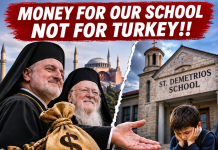
In November 2026, on the occasion of the 35th anniversary of the enthronement of Ecumenical Patriarch Bartholomew, Archbishop Elpidophoros of America called the Patriarch “the Great” for the first time.
The Archons of the Ecumenical Patriarchate decided to adopt this title and, in explaining their decision, included the granting of autocephaly to Ukraine among the Patriarch’s achievements.
Some regard the very same act as an achievement, while others see it as a cause of division.
And while the disagreement persists, the title has already been publicly proclaimed, and the Patriarch himself remains silent.
The initiative for bestowing the title came from an admirer of the Patriarch.
What, then, does the readiness to call a clergyman “the Great” while he is still alive reveal?
First and foremost, it reveals something about the person addressing him. Gratitude can easily reach the point of deification, and praise can turn into flattery.
It also reveals how easily we lose our sense of proportion when speaking of holiness.
By what should one measure it? By years of ministry, by decorations, or by acclamations?
Finally, there is also a danger for the person being praised.
Praise can seep into the soul like a tasteless poison.
Christ says:
“But you, do not be called Rabbi; for One is your Teacher, the Christ […] And whoever exalts himself will be humbled” (Matthew 23:8–12).
When the inhabitants of Lystra wished to offer sacrifices to Paul and Barnabas, the two Apostles tore their garments and cried out:
“We also are men of like passions with you” (Acts 14:15).
Herod, on the other hand, heard the crowd acclaiming him with the words:
“The voice of a god and not of a man!”
He accepted the acclamation, and an angel of the Lord struck him down.
Of the Honorable Forerunner, Christ Himself said:
“Among those born of women there has not risen one greater” (Matthew 11:11).
And yet John said of himself:
“He must increase, but I must decrease” (John 3:30).
This is the measure of spiritual greatness.
The higher the ministry, the lower must bow the one who undertakes it.
Christ Himself, the Master of the world, girded Himself with a towel and washed the feet of His disciples.
Let us, therefore, seek neither titles, nor museums, nor monuments.
Let us pray that the wound of the Great Schism may one day be healed and that no new one may be opened.
If the Lord judges us worthy, He Himself will keep our memory alive.
And perhaps, in some distant age, someone will quietly speak a kind word about one of us.
But even if no such word is spoken, what have we lost?
“Not unto us, O Lord, not unto us, but unto Thy name give glory” (Psalm 113:9, Septuagint).
======================
«Μέγα» και «Μέγας» — το σχίσμα και ο άνθρωπος
Η Ιστορία αποδίδει με φειδώ τον χαρακτηρισμό «Μέγας».
Και συνήθως περιμένει να κλείσει πρώτα ο κύκλος μιας ζωής.
Όσο ζει κανείς, τον περιστοιχίζουν και κόλακες.
Μετά τον θάνατό του, όταν πια σιγήσουν οι κολακείες, οι μεταγενέστεροι μπορούν να κρίνουν το έργο του πιο αμερόληπτα.
Ο Σόλων έλεγε στον βασιλιά Κροίσο πως, για να ονομάσει κανείς έναν άνθρωπο ευτυχή, πρέπει πρώτα να δει το τέλος της ζωής του.
Κάτι ανάλογο ισχύει και για το μεγαλείο.
Τι χρειάζεται, λοιπόν, για να ονομαστεί κάποιος «Μέγας»;
Να αφήσει πίσω του έργο που θα αντέξει στη δοκιμασία του χρόνου και ένας λαός να κρατήσει ζωντανή, ελεύθερα και αβίαστα, τη μνήμη του.
Ο Μέγας Βασίλειος, ο Μέγας Αθανάσιος, ο Μέγας Αντώνιος και τόσοι άλλοι έμειναν στη μνήμη της Εκκλησίας με αυτή την προσωνυμία.
Όσο ζούσαν, απέφευγαν τη δόξα. Άλλοι αναζήτησαν την αφάνεια της ερήμου, άλλοι θέλησαν να αποφύγουν τον επισκοπικό θρόνο.
Το μεγαλείο τους φαινόταν και στο πόσο λίγο τους απασχολούσε η υστεροφημία τους.
Όταν ο χαρακτηρισμός «Μέγας» αποδίδεται σε κάποιον εν ζωή, συχνά υπηρετεί την προπαγάνδα.
Ο Στάλιν και ο Κιμ Ιλ Σουνγκ υμνήθηκαν ως «Μεγάλοι Ηγέτες», ο Μάο ως «Μεγάλος Τιμονιέρης».
Η επανάληψη αυτών των τίτλων αποτελούσε μέρος της προσωπολατρίας.
Ακόμη κι εκείνοι που δεν πίστευαν όσα έλεγαν, δύσκολα τολμούσαν να σιωπήσουν.
Πρώτα ερχόταν ο τίτλος κι έπειτα το μουσείο.
Το 1949 άνοιξε στη Μόσχα μουσείο με τα δώρα που είχαν προσφερθεί στον Στάλιν.
Στη Βόρεια Κορέα, όσο ζούσε ακόμη ο Κιμ Ιλ Σουνγκ, δημιουργήθηκαν μνημεία προς τιμήν του, όπως το μουσείο στο Μανγκιονγκντέ.
Ωστόσο, ακόμη κι εκείνοι απέφευγαν να δώσουν οι ίδιοι το όνομά τους σε μουσεία.
Στην εκκλησιαστική μας ιστορία υπάρχει ένα γεγονός που έμεινε γνωστό με τον χαρακτηρισμό «Μέγα».
Είναι το Μέγα Σχίσμα του 1054. Η ρήξη ανάμεσα σε Ανατολή και Δύση παραμένει έως σήμερα.
Κι αυτό το «Μέγα» δηλώνει για την Εκκλησία μέγα πένθος.
Τι συμβαίνει, όμως, όταν ένας κληρικός ακούει να τον αποκαλούν «Μέγα» και δέχεται σιωπηρά την προσφώνηση;
Κι όταν δίπλα στο πατρικό του σπίτι λειτουργεί μουσείο αφιερωμένο στη ζωή και τη διακονία του, στο οποίο ξεναγεί ο ίδιος τους επισκέπτες;
Την καρδιά του ανθρώπου τη γνωρίζει μόνο ο Θεός.
Η Αγία Γραφή, ωστόσο, δίνει στον ποιμένα το μέτρο με το οποίο οφείλει να κρίνει πρώτα τον εαυτό του.
Πολλοί Ορθόδοξοι θεωρούν ότι η χορήγηση του Τόμου Αυτοκεφαλίας στην Ορθόδοξη Εκκλησία της Ουκρανίας προκάλεσε νέο σχίσμα, καθώς διακόπηκε η εκκλησιαστική κοινωνία μεταξύ ορισμένων κατά τόπους Εκκλησιών.
Τον Νοέμβριο του 2026, με αφορμή τη συμπλήρωση 35 ετών από την ενθρόνιση του Οικουμενικού Πατριάρχη κ. Βαρθολομαίου, ο Αρχιεπίσκοπος Αμερικής κ. Ελπιδοφόρος αποκάλεσε για πρώτη φορά τον Πατριάρχη «Μέγα».
Οι Άρχοντες του Οικουμενικού Πατριαρχείου αποφάσισαν να υιοθετήσουν την προσφώνηση και, εξηγώντας την απόφασή τους, συμπεριέλαβαν στα επιτεύγματα του Πατριάρχη τη χορήγηση αυτοκεφαλίας στην Ουκρανία.
Την ίδια πράξη άλλοι τη θεωρούν επίτευγμα και άλλοι αιτία διχασμού.
Κι ενώ η διαφωνία παραμένει, η προσφώνηση έχει ήδη ακουστεί και ο ίδιος ο Πατριάρχης σιωπά.
Η πρωτοβουλία για την προσφώνηση ανήκε σε έναν θαυμαστή του Πατριάρχη.
Τι φανερώνει, λοιπόν, η προθυμία να αποκαλέσει κανείς «Μέγα» έναν κληρικό όσο ακόμη ζει;
Πρώτα απ’ όλα, κάτι για εκείνον που τον προσφωνεί. Η ευγνωμοσύνη εύκολα μπορεί να φτάσει ως τη θεοποίηση και ο έπαινος να γίνει κολακεία.
Φανερώνει ακόμη πόσο εύκολα χάνουμε το μέτρο όταν μιλούμε για την αγιότητα.
Με τι να τη μετρήσει κανείς; Με τα χρόνια της διακονίας, με τα παράσημα ή με τις επευφημίες;
Υπάρχει, τέλος, και ο κίνδυνος για τον ίδιο τον επαινούμενο.
Ο έπαινος μπορεί να ποτίζει την ψυχή σαν άγευστο δηλητήριο.
Ο Χριστός λέγει «Ὑμεῖς δὲ μὴ κληθῆτε Ῥαββί· εἷς γάρ ἐστιν ὑμῶν ὁ διδάσκαλος, ὁ Χριστός […] ὅστις δὲ ὑψώσει ἑαυτὸν ταπεινωθήσεται» (Ματθ. 23, 8–12).
Όταν οι κάτοικοι των Λύστρων θέλησαν να προσφέρουν θυσία στον Παύλο και στον Βαρνάβα, οι δύο Απόστολοι διέρρηξαν τα ιμάτιά τους και φώναξαν «Καὶ ἡμεῖς ὁμοιοπαθεῖς ἐσμεν ὑμῖν ἄνθρωποι» (Πράξ. 14, 15).
Ο Ηρώδης, πάλι, άκουσε το πλήθος να τον επευφημεί με τα λόγια «Θεοῦ φωνὴ καὶ οὐκ ἀνθρώπου».
Δέχθηκε την επευφημία και άγγελος Κυρίου τον πάταξε.
Για τον Τίμιο Πρόδρομο ο ίδιος ο Χριστός είπε ότι «οὐκ ἐγήγερται ἐν γεννητοῖς γυναικῶν μείζων» (Ματθ. 11, 11).
Κι όμως, ο Ιωάννης έλεγε για τον εαυτό του «Ἐκεῖνον δεῖ αὐξάνειν, ἐμὲ δὲ ἐλαττοῦσθαι» (Ιω. 3, 30).
Αυτό είναι το μέτρο του πνευματικού μεγαλείου.
Όσο υψηλότερη η διακονία, τόσο πιο χαμηλά οφείλει να σκύβει εκείνος που την αναλαμβάνει.
Ο ίδιος ο Χριστός, ο Δεσπότης του κόσμου, ζώστηκε το λέντιο και έπλυνε τα πόδια των μαθητών Του.
Ας μη ζητούμε, λοιπόν, ούτε τίτλους ούτε μουσεία ούτε μνημεία.
Ας προσευχόμαστε να επουλωθεί κάποτε η πληγή του Μεγάλου Σχίσματος και να μην ανοίξει άλλη.
Αν ο Κύριος μας κρίνει άξιους, Εκείνος θα κρατήσει ζωντανή τη μνήμη μας.
Κι ίσως, σε χρόνια μακρινά, κάποιος πει χαμηλόφωνα κι έναν καλό λόγο για έναν από εμάς.
Αλλά κι αν δεν ειπωθεί, τι χάσαμε; «Οὐχ ἡμῖν, Κύριε, οὐχ ἡμῖν, ἀλλὰ τῷ ὀνόματί σου δὸς δόξαν» (Ψαλμ. 113, 9).


Thank you for posting.
Agreed. This type of sycophancy makes me cringe.
Very well written article. The ball is in Bartholomeau’s court. He should loudly and unequivocally reject the title of Great. If he does not, which I worry that he won’t, then he is a little man that has lost his sense of proportion.
It’s a shame that the first one to be deemed Great is missing from this essay.
The one who clearly changed the direction of Mankind for the better, affected more people, and peoples, than anyone else. One who preceded Christ and spread an enlightenment which enabled the world to accept Christ.
Who could that Great man be?
Metropolitan Luke of Zaporizhzhia is one of my favorite hierarchs. He is full of wisdom and inspiring. The schism created by Barto does not make him great. He will be judged by history. Most people do not understand what is going on over there in Ukraine. But the travesty that Barto created is hurting the very people that he pretends it protects, which is the majority of Ukrainians. As a consequence of the diabolic government that worked hand in hand to outlaw the canonical UOC, the persecution goes behind anything that anyone could immagine. Besides stealing the churches and beating up the ukrainian people, because the UOC is no longer recognized by the state as a religious church, priests and clergy are no longer protected. They are thrown in jail for refusing to bear arms although the cannons prevent clergy to fight wars. The Bolsheviks put people in prison too, including priests, for various reasons. Barto is directly responsible for this, so he is not the “great” of anything, but the co-operator with the atheist evil forces of this world.
https://uoj.news/news/uoc-seminarian-faces-up-to-10-years-in-prison-for-refusing-to-bear-arms/