


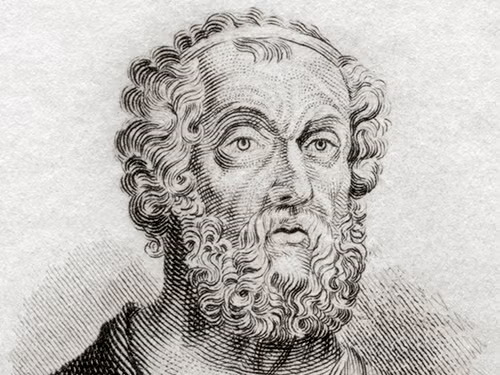
A project based on a study by the expatriate professor Anastasia Goneou (link here for her bio), titled “Greek Language – the nurse of all languages.” Anastasia Goneou, among other things, states:
“The Homeric (Greek) language constitutes the foundation upon which many modern languages were built. Even if no other reference existed, even if no pre-diluvian monument had survived, the Greek language alone would suffice as proof that, in the past, there existed an era of great civilization. All the knowledge that humanity has acquired up to the present moment is embedded in our language. Every Greek word–term carries a heavy load of meaning, a load that earlier generations ‘expended’ in order to grasp intellectually a specific concept and ‘baptize’ it with that specific name–word.”
Example:
AFTER: from the Homeric af̱tar/”αυτάρ”: “after.” Homer says: “I will tell you what happened aftar.”
AMEN: Latin amen. The familiar amen comes from the very ancient “α μην”, meaning “truly” (Homer, Iliad Β 291–301), hēmén. The evolution of hēmén is the modern “αμε”!
BANK: Latin pango from Greek pagió/”παγιώ”, “πήγνυμι” (“fasten, fix”). Banks took their name from the first “tables” (benches) of the marketplace.
BAR: Latin barra from Greek mara: blacksmith’s tool.
BOSS: from possis/”πόσσις”: the master of the household.
BRAVO: Latin, from brabeion/ “Βραβείον” (“prize”).
BROTHER: Latin frater from Greek phrātor/ “φράτωρ”.
CARE: from karezō/”καρέζω” (“to caress, care for”).
COLONIE: from kolōneia/”κολώνεια”: colonial city, colony.
DAY: Cretans called the day dia/ “δία”. Also: evdiáthetos/ “ευδιάθετος”: “in a good mood” (literally “in a good day”).
DISASTER: from dys-oionos (“ill-omened”) + astēr/”αστήρ” (“star”).
DOLLAR: from tállaron: a basket used as a unit of measurement in exchanges, e.g., “give me five tállara of wheat.” Derivatives: tálliro, téllaro.
DOUBLE: from diplous – diplos / “Διπλούς/διπλός”) (“double”).
EXIST: Latin ex + sisto from Greek ex + histēmi: “stand out, project.”
EXIT: from exite/”έξιτε”: “go out.”
EYES: from phaea/”φάεα”: eyes.
FATHER: from pater (patēr).
FLOWER: Latin flos from Greek phloos/”φλόος”).
FRAPPER: from the Frankish hrappan, which derives from Greek (F)rapizō: “strike” (F = digamma).
GLAMOUR: Latin gramo ur from Greek grammárion (“gram”). Magicians prepared their recipes using ingredients measured in grams; because the whole process was impressive and prestigious, gramour – glamour acquired its present meaning.
HEART, CORE: from kéar/”κέαρ”: heart.
HUMOR: from chymor/”χυμόρ”, “χυμός”: juice. (In the Euboean dialect, as mentioned in Plato’s Cratylus, the final -s is pronounced as -r, e.g., sklērotēr instead of sklērotēs.)
I: from egō or iō, as in the Boeotian dialect.
ILLUSION: from lizei/”λίζει”: “plays.”
IS: from eís/”εις”
KARAT: from kerátion: “little horn,” used for weighing.
KISS ME: from kýson me/ “κύσον με”: “kiss me” (…said Odysseus to Penelope).
LORD: from lars/”λάρς”. The Pelasgian citadels were called Larissai and their commander was a lars or Laërtēs, as in Laertes, father of Odysseus.
LOVE: Latin love from Greek laFō. The digamma (F) becomes au, and laFō means “I desire greatly.”
MARMELADE: Latin melimelum from Greek melímēlon: quince.
MATRIX: from mētra/”μήτρα”: womb.
MATURITY: Latin maturus from Greek madarós/”μαδαρός”: moist.
MAXIMUM: Latin maximum from Greek megistos/”μέγιστος”: greatest.
MAYONNAISE: from the city Mayon, which took its name from Machōn: a Greek name, brother of Hannibal.
ME: from me.
MEDICINE: Latin medeor from Greek médomai/”μέδομαι”: “to think, to act skillfully,” and médō: “to care for”; medéōn: “protector.”
MENACE: from mēnis/”μήνις”: wrath. (HELLENISCOPE’S NOTE: This is the first word of the Iliad!! And it is indicative of the Greek character – the facility whereby anger is displayed in behavior)
MENTOR: from Mentōr.
MINE: from Mīnōai: ports of Minos, where metal trade occurred. “Ports of the Cretans, called Minoae.” (Diodorus Siculus V 84.2)
MINOR: Latin minor from Greek minys/”μινύς”: small. At formal meals, they had the minýthes grammation, a small note listing what the meal contained. Derivative: menu.
MODEL: from mēdos/”μήδος”: plan. Same root as moda (“fashion”).
MOKE: from mōkos/”μώκος”: someone who mocks.
MONEY: Latin moneta from Monía/”μονία”: the sole epithet of the goddess Hera: Hēramonía. In the courtyard of her temple in Rome stood the mint, and the coins bore her image (monetae).
MOTHER: from mātēr, mḗtēr/”μήτηρ”.
MOVE: from the Homeric ameíbou: “move!”
MOW: from amáō/”αμάω”: reap.
NIGHT: from nychta.
NO: Latin non, ne from Greek nē/”νή”: negative particle (“ne eats, ne drinks”), or nē-penthēs: “free of sorrow,” nēnēmia: lack of wind.
PAUSE: from pausē/”παύση”.
RESISTANCE: from rā + histēmi / “ρα+ιστημι”.
RESTAURANT: from rā + histamai: “I ate and was restored/upright.”
RESTORATION: Latin restauro from rā + histēmi, where rā shows connection or sequence, e.g., rā-thymos, and histēmi: “to stand.”
SERPENT: Latin serpo from Greek erpō/”έρπω” (“creep”). The rough breathing (ʽ) is pronounced as s: serpetó.
SEX: from exis/”εξις”. The word becomes rough-breathing and the rough breathing becomes s: s + exis.
SIMPLE: from aplous/”απλούς” (the word has rough breathing).
SPACE: from spízō/”σπίζω”: “extend continuously.”
SPONSOR: from spéndō/”σπένδω”: “offer, make a libation.”
TRANSFER: from tryō/”τρύω” (“pass through”) + pherō. Transatlantic: “I pass through the Atlantic.”
TURBO: from týrbi/”τύρβη”: circular turbulent motion.
YES: from ge/”γε”: “indeed.”
WATER: from hydōr/”υδωρ” (“water”), with d changing to t.
==============================
Γνωρίζατε ότι οι λέξεις¨”Yes”, “No”, “Mother”, “Dollar” ‘έρχονται από τον Ομηρο?
Μία εργασία βασισμένη σε μελέτη της ομογενούς καθηγήτριας Αναστασίας Γονέου, με τίτλο «Ελληνική Γλώσσα-τροφός όλων των γλωσσών », η Αναστασία Γονέου, μεταξύ άλλων, αναφέρει:
«Η Ομηρική (Ελληνική) Γλώσσα, αποτελεί τη βάση επάνω στην οποία στηρίχτηκαν πλήθος σύγχρονων γλωσσών. Ακόμα κι αν δεν υπήρχε καμία άλλη αναφορά, ακόμα κι αν δεν είχε διασωθεί κανένα προκατακλυσμιαίο μνημείο, θα αρκούσε η Ελληνική Γλώσσα ως απόδειξη της ύπαρξης στο παρελθόν, μίας εποχής μεγάλου πολιτισμού. Στη γλώσσα μας είναι εμφυτευμένη όλη η γνώση που κατέκτησε ο άνθρωπος, έως την παρούσα στιγμή. Κάθε ελληνική λέξη-όρος φέρει ένα βαρύ φορτίο νόησης, φορτίο που οι προγενέστεροι ‘εξόδευσαν’, για να κατακτήσουν γνωστικά τη συγκεκριμένη έννοια και να την ‘βαπτίσουν’ με το συγκεκριμένο όνομα-λέξη».
Παράδειγμα:
AFTER: από το ομηρικό αυτάρ: μετά. Ο Όμηρος λέει: ”θα σας διηγηθώ τι έγινε αυτάρ”.
AMEN:λατινικά: amen. Το γνωστό αμήν προέρχεται από το αρχαιότατο ή μήν : αληθώς, (Ιλιάδα Ομήρου β291-301), ημέν. Η εξέλιξη του ημέν είναι το σημερινό αμέ!
BANK: λατινικά pango από το παγιώ, πήγνυμι. Οι τράπεζες πήραν την ονομασία τους από τα πρώτα ‘τραπέζια’ (πάγκους) της αγοράς.
BAR: λατινικά: barra από το μάρα : εργαλείο σιδηρουργού.
BOSS: από το πόσσις : ο αφέντης του σπιτιού.
BRAVO : λατινικό, από το βραβείο.
BROTHER : λατινικά frater από το φράτωρ.
CARE: από το καρέζω.
COLONIE: από το κολώνεια : αποικιακή πόλη.
DAY: Οι Κρητικοί έλεγαν την ημέρα ‘δία’. Και: ευδιάθετος : είναι σε καλή μέρα.
DISASTER: από το δυσοίωνος + αστήρ
DOLLAR: από το τάλλαρον : καλάθι που χρησίμευε ως μονάδα μέτρησης στις ανταλλαγές. π.χ. «δώσε μου 5 τάλλαρα σιτάρι». Παράγωγο είναι το τάλληρο, αλλά και το τελλάρo!
DOUBLE: από το διπλούς – διπλός.
EXIST: λατινικά ex+sisto από το έξ+ίστημι: εξέχω, προέχω.
EXIT: από το έξιτε : εξέλθετε
EYES: από το φάεα : μάτια.
FATHER: από το πάτερ (πατήρ).
FLOWER: λατινικά flos από το φλόος.
FRAPPER: από το φραγκικό hrappan που προέρχεται από το (F)ραπίζω: κτυπώ (F: δίγαμμα).
GLAMOUR: λατινικό gramo ur από το γραμμάριο. Οι μάγοι παρασκεύαζαν τις συνταγές τους με συστατικά μετρημένα σε γραμμάρια και επειδή η όλη διαδικασία ήταν γοητευτική και με κύρος, το gramou r – glamou r, πήρε την σημερινή έννοια.
HEART, CORE: από το κέαρ: καρδιά.
HUMOR: από το χυμόρ: χυμός (Στην ευβοϊκή διάλεκτο, όπως αναφέρεται και στον Κρατύλο του Πλάτωνος, το τελικό ‘ ς’ προφέρεται ως ‘ρ’. Π.χ. σκληρότηρ αντί σκληρότης).
I: από το εγώ ή ίω, όπως είναι στην βοιωτική διάλεκτο.
ILLUSION: από το λίζει: παίζει.
ΙS: από το είς.
KARAT: εκ του κεράτιον, (μικρό κέρας για τη στάθμιση βάρους).
KISS ME: εκ του κύσον με : φίλησέ με (…είπε ο Οδυσσέας στην Πηνελόπη).
LORD: εκ του λάρς. Οι Πελασγικές Ακροπόλεις ονομάζονταν Λάρισσες και ο διοικητής τους λάρς ή λαέρτης. Όπως: Λαέρτης-πατέρας του Οδυσσέα.
LOVE: λατινικό: love από το ‘λάFω’. Το δίγαμμα (F) γίνεται ‘αυ’ και ‘ λάF ω’ σημαίνει ”θέλω πολύ”.
MARMELADE: λατινικά melimelum από το μελίμηλον: κυδώνι.
MATRIX: από το μήτρα.
MATURITY: λατινικά: maturus από το μαδαρός: υγρός.
MAXIMUM: λατινικά: maximum από το μέγιστος.
MAYONNAISE: από την πόλη Mayon, που πήρε το όνομά της από το Μάχων : ελληνικό όνομα και αδελφός του Αννίβα.
ME: από το με.
MEDICINE: λατινικά :medeor από το μέδομαι, μήδομαι : σκέπτομαι, πράττω επιδέξια. Και μέδω : φροντίζω, μεδέων : προστάτης.
MENACE: από το μήνις.
MENTOR: από το μέντωρ.
MINE: από το Μινώαι: λιμάνια του Μίνωα, όπου γινόταν εμπόριο μεταλλευμάτων. «Κρητών λιμένες, Μίνωαι καλούμεναι». (Διοδ.Σικελ.Ε’84,2).
MINOR: λατινικά: minor από το μινύς: μικρός. Στα επίσημα γεύματα είχαν το μινύθες γραμμάτιον, ένα μικρό κείμενο στο οποίο αναγραφόταν τι περιελάμβανε το γεύμα. Παράγωγο το… menu!
MODEL: από το μήδος: σχέδιο (η ίδια ρίζα με τη μόδα (: moda).
MOKE: από το μώκος : αυτός που χλευάζει.
MONEY: λατινικό: moneta από το μονία : μόνη επωνυμία της Θεάς Ήρας: Ηραμονία. Στο προαύλιο του ναού της Θεάς στη Ρώμη ήταν το νομισματοκοπείο και τα νομίσματα έφεραν την παράστασή της, (monetae).
MOTHER: από το μάτηρ, μήτηρ.
MOVE: από το ομηρικό αμείβου : κουνήσου!
MOW: από το αμάω : θερίζω.
NIGHT: από το νύχτα.
NO: λατινικό: non, ne εκ του εκ του νη: αρνητικό μόριο ( ”νέ τρώει, νέ πίνει”), ή (νηπενθής : απενθής, νηνεμία : έλλειψη ανέμου.
PAUSE: από το παύση.
RESISTANCE: από το ρά + ίστημι.
RESTAURANT: από το ρά + ίσταμαι : έφαγα και στηλώθηκα.
RESTORATION: λατινικά restauro από το ρά+ίστημι, όπου το ρά δείχνει συνάρτηση, ακολουθία, π.χ . ρά-θυμος, και ίστημι : στήνομαι.
SERPENT: λατινικά serpo από το έρπω (ερπετό). H δασεία (‘) προφέρεται ως σ: σερπετό.
SEX: από το έξις. Η λέξη δασύνεται και η δασεία μετατρέπεται σε σίγμα και : s+έξις.
SIMPLE: από το απλούς (η λέξη δασύνεται).
SPACE: από το σπίζω : εκτείνω διαρκώς.
SPONSOR: από το σπένδω : προσφέρω (σπονδή).
TRANSFER: από το τρύω (διαπερνώ) + φέρω. Transatlantic : διαπερνώ τον Ατλαντικό.
TURBO: από το τύρβη : κυκλική ταραχώδης κίνηση.
YES: από το γέ: βεβαίως.
WATER: από το Ύδωρ (νερό), με το δ να μετατρέπεται σε τ .













Yes, but do not assume if they have the same root, they mean the same. To Paul and Aristophanes, Sycophant meant slander, but to Shakespeare and his followers it means flatter. This is a prime reason to not abandon the Greek language in church. Languages do not map like parallel planes, rather they are each complex manifolds in their own rite. Greesk do it to, they call flip flops sayonaras.
I am προέρχεται ‘από το ΕΓΩ ΕΙΜΙ.
Ι – ΕΓΩ Ελληνικά, Ego Λατινικά,Jo Ισπανικά, Ich Γερμανικα, jag Σουηδικά, je Γαλλικά.