
- ΕΑΝ ΠΡΟΤΙΜΑΤΕ ΕΛΛΗΝΙΚΑ ΠΑΤΗΣΤΕ ΤΗ ΣΗΜΑΙΑ ΣΤΟ ΚΑΤΩ ΜΕΡΟΣ ΤΗΣ ΟΘΟΝΗΣ
By Helleniscope’s Editorial Team
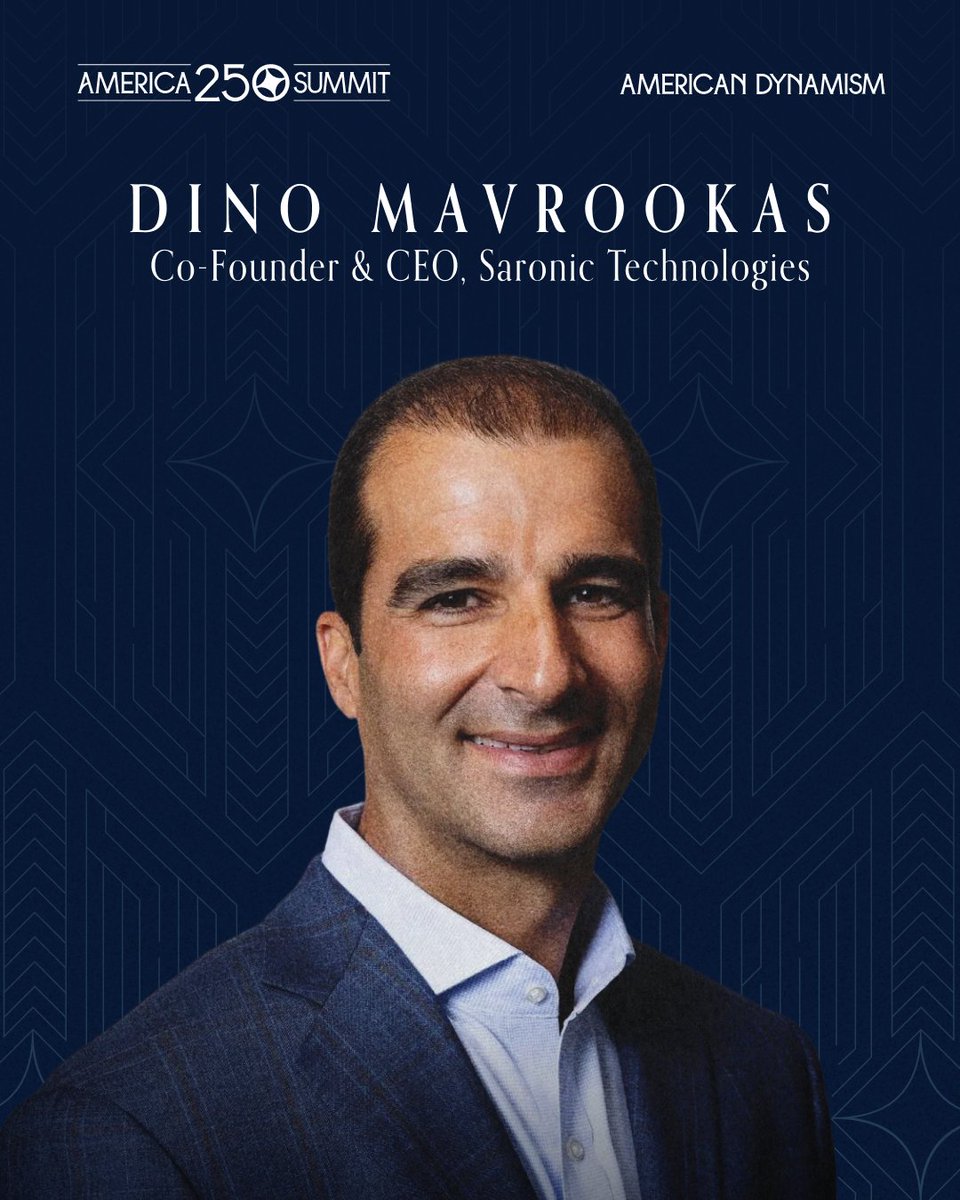
A significant development emerged this week in Greece’s defense and technology sector as Greek-American entrepreneur Dino Mavrookas met with Greek Defense Minister Nikos Dendias during discussions held alongside the Panathenea forum in Athens.
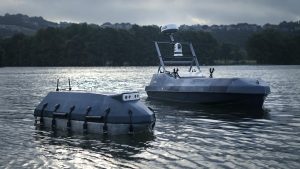
Mavrookas leads Saronic Technologies, an Austin-based defense startup specializing in autonomous surface vessels and AI-powered maritime systems. Despite being only a few years old, the company has become one of America’s fastest-growing defense firms, reaching a reported valuation of approximately $9.25 billion and employing around 1,500 people.
The discussions focused on how Saronic’s autonomous maritime technology—already used by the U.S. military—could be adapted for the operational requirements of the Hellenic Navy and the Greek Coast Guard. Rather than pursuing a traditional arms-sale model, Mavrookas emphasized a partnership approach, tailoring capabilities to Greece’s specific maritime security needs.
The most notable element of the talks was Mavrookas’ public expression of interest in establishing a Greek subsidiary. He said that investing in Greece would be personally meaningful and strategically attractive, not only to provide Greece with sovereign defense capabilities but also to create an export platform serving European and global markets.
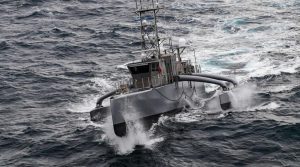
Saronic has already begun exploring potential industrial partnerships within Greece. Conversations have reportedly taken place with a Greek sensor technology company, while additional meetings with representatives from the country’s shipbuilding sector were planned. Areas of potential cooperation include sensors, payload integration, maritime autonomy, and vessel production.
For Greece, the proposal aligns with broader efforts to strengthen its domestic defense-industrial ecosystem. The government has increasingly emphasized innovation, indigenous capability development, and closer cooperation between international defense firms and local industry. Saronic’s open-architecture systems could enable Greek companies to integrate their own technologies without developing complete platforms independently, potentially accelerating domestic participation in advanced naval programs.
Mavrookas, a former U.S. Navy SEAL with multiple combat deployments and academic credentials from The Wharton School and Rutgers University, expressed optimism that concrete developments could emerge soon, although he noted that partnership evaluations and discussions remain ongoing.
If realized, a Saronic investment in Greece would represent more than a commercial transaction. It could mark the arrival of a major defense-technology player in the Greek market, bringing advanced autonomous maritime capabilities, industrial partnerships, and the potential to position Greece as a regional center for next-generation naval systems serving Europe and beyond.
Strategic significance: The move reflects a growing global defense trend toward autonomous and AI-enabled maritime platforms. For Greece—a nation with one of the world’s largest maritime footprints—the prospect of hosting a leading autonomous naval technology company could strengthen both national security capabilities and the country’s ambition to become a regional defense innovation hub.
Jun 14, 2026, n.stamatakis@aol.com www.helleniscope.com
DISCLAIMER: The views and statements expressed in this article constitute constitutionally protected opinions of this author.