
ΕΑΝ ΠΡΟΤΙΜΑΤΕ ΕΛΛΗΝΙΚΑ ΠΑΤΗΣΤΕ ΤΗ ΣΗΜΑΙΑ ΣΤΟ ΚΑΤΩ ΜΕΡΟΣ ΤΗΣ ΟΘΟΝΗΣ
A shipmaster by profession and a captain by temperament, Giorgos Vardinogiannis embodied a generation of powerful Greek personalities who shaped business, sport and public life through determination, loyalty and personal authority. Admired and contested in equal measure, he leaves behind a legacy of remarkable achievements, fierce passions and enduring contradictions
There are men whose lives are measured by the fortunes they accumulate, the institutions they build or the victories they achieve. Others are remembered for something less tangible: the force of their personality and the mark they leave on their times. Giorgos Vardinogiannis belonged to both categories.
To Greeks, he was simply O Kapetanios — the Captain. The title reflected his original profession, but also captured his character: a man who believed in authority, loyalty, personal responsibility and the duty of a leader to make difficult decisions without seeking universal approval.
His death at 90 marks the passing of one of the last representatives of a generation of formidable Greek patriarchs who regarded leadership as a personal responsibility rather than an exercise in consensus.
Born in 1936 in Episkopi, Rethymno, Giorgos was one of ten children in the Vardinogiannis family. He grew up in Crete where family bonds, personal honor and independence were deeply ingrained values. Unlike his brothers who pursued naval careers in the armed forces, he chose the merchant marine, studying in Southampton before embarking on a life at sea.
The experience shaped him profoundly. A shipmaster learns that command entails responsibility, that hesitation can be costly and that decisions must ultimately be taken by someone. These principles would define his subsequent careers in business and football.
An episode from 1966 illustrated his audacity. As captain of an oil tanker, Vardinogiannis participated in an operation circumventing the international embargo against Rhodesia’s white-minority regime. The voyage became part of his legend, demonstrating his appetite for risk and determination. Yet it also revealed the moral ambiguities of an era when commercial ambition sometimes collided with international political principles.
As the Vardinogiannis family’s interests expanded into petroleum, shipping and other industries, Giorgos became an influential figure in Greek business. But he was never primarily perceived as a corporate technocrat. He belonged to a generation for whom business remained intensely personal, built on trust, family solidarity and relationships. Wealth gave him influence; personality gave him identity.

It was football, however, that transformed him into a national figure.
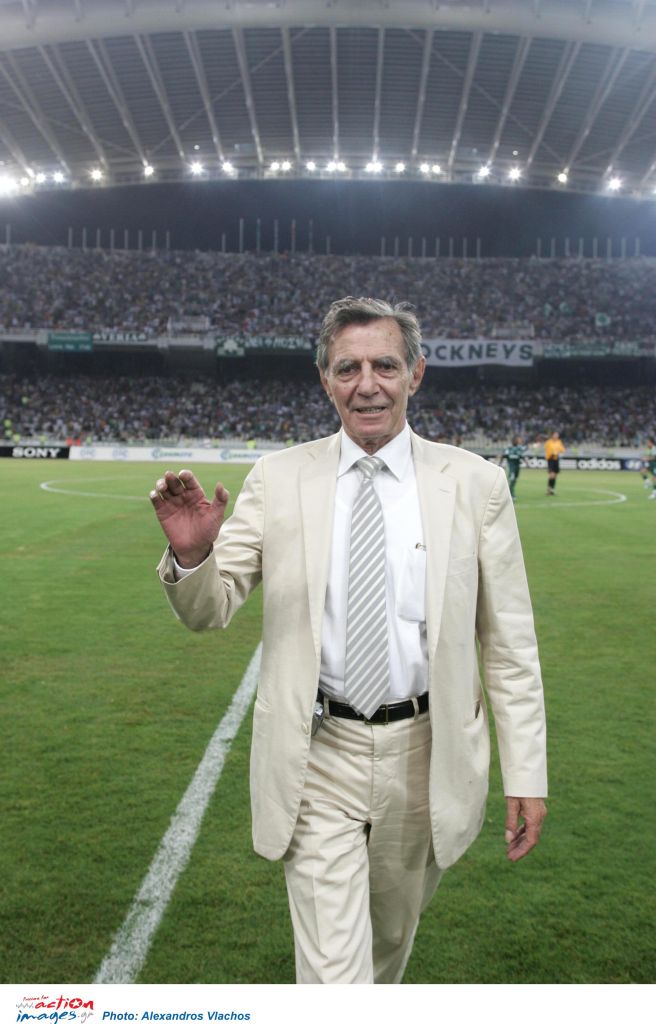
In 1979, when the Vardinogiannis family acquired control of Panathinaikos, Giorgos assumed the presidency of one of Greece’s most celebrated football clubs. He remained at its helm until 2000, presiding over an era of considerable domestic and European success.
During his presidency, Panathinaikos won six Greek championships, nine Greek Cups and three Super Cups, while reaching the European Cup semifinals in 1985 and the Champions League semifinals in 1996. The historic victory over Ajax in Amsterdam remains one of the club’s most memorable achievements. His legacy also included the development of the training facilities at Paiania and a greater emphasis on youth development.
Yet statistics tell only part of the story.
For Vardinogiannis, Panathinaikos was more than a business investment. It was a personal commitment, almost an extension of his identity. He celebrated victories passionately and experienced defeats as personal affronts. He confronted referees, challenged officials and engaged in bitter disputes with rivals and occasionally with his own supporters.
His relationship with organized fans exposed the contradictions of his leadership. He wanted a successful, passionate and disciplined Panathinaikos, but insisted that ultimate authority remain his own. Admirers regarded his determination as proof of devotion; critics considered his management authoritarian and paternalistic.
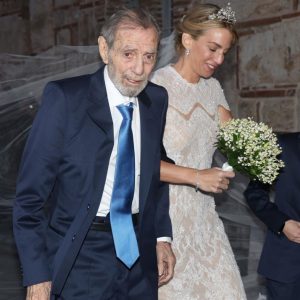
PHOTO: At his daughter Chrysi’s wedding.
Both assessments contained elements of truth.
Behind the stern public image stood a more complex individual. Those close to him described a generous and deeply emotional man, fiercely loyal to family and friends, capable of private kindness that contrasted with his formidable public manner. His attachment to Crete remained central to his identity, as did his respect for personal honour and loyalty.
He was a man of striking contradictions: international in business but profoundly Cretan in temperament; pragmatic in commercial affairs but impulsive in football; uncompromising in public yet capable of considerable tenderness in private.
Vardinogiannis also represented a particular chapter of modern Greek history, when powerful individuals and family enterprises played a defining role in the country’s economic and social transformation. Such personalities could create institutions and inspire extraordinary loyalty, but their dominance could also prevent those institutions from developing independently of them.
Long after leaving the presidency, the Captain remained emotionally attached to Panathinaikos, occasionally appearing in the stands, a quieter presence but still unmistakably the man who had commanded the club for two decades.
His legacy will remain contested. His achievements cannot erase his controversies, nor should his controversies diminish his achievements. He was proud, difficult, loyal, decisive and occasionally combustible — a personality who inspired affection and resentment in equal measure.
But one thing is beyond dispute: Giorgos Vardinogiannis was never content to be a passenger in life.
He was always determined to hold the helm.
Kalo taxidi, Kapetanie. — Fair winds, Captain.