

ΕΛΛΗΝΙΚΟ ΠΡΩΤΟΤΥΠΟ ΚΕΙΜΕΝΟ ΑΚΟΛΟΥΘΕΙ
source- newsbreak.gr
Chinese President Skips Athens on European ‘Silk Road’ Tour Because of India – Paris, Belgrade and Budapest Benefit and Fill the Gap
By Eth. P. Petrou, “Estia” newspaper
He moved to Paris, Belgrade and Budapest. But since Greece is the country with the most Chinese investments in Europe and at the same time the port of Piraeus is the gateway for Chinese products to Europe, we will ask the question, what was the reason why President Xi did not include in the program of and Athens?
Especially since in the period we are going through, there is the problem of attacks on merchant shipping in the Red Sea which primarily affects China’s trade with Europe. Greece – I heard – has the leading role in dealing with this threat and this should bring Athens and Beijing even closer.
The issue is too obvious to go unnoticed. President Xi first went to Paris to discuss with President Macron the prospects of improving his country’s trade with Europe.
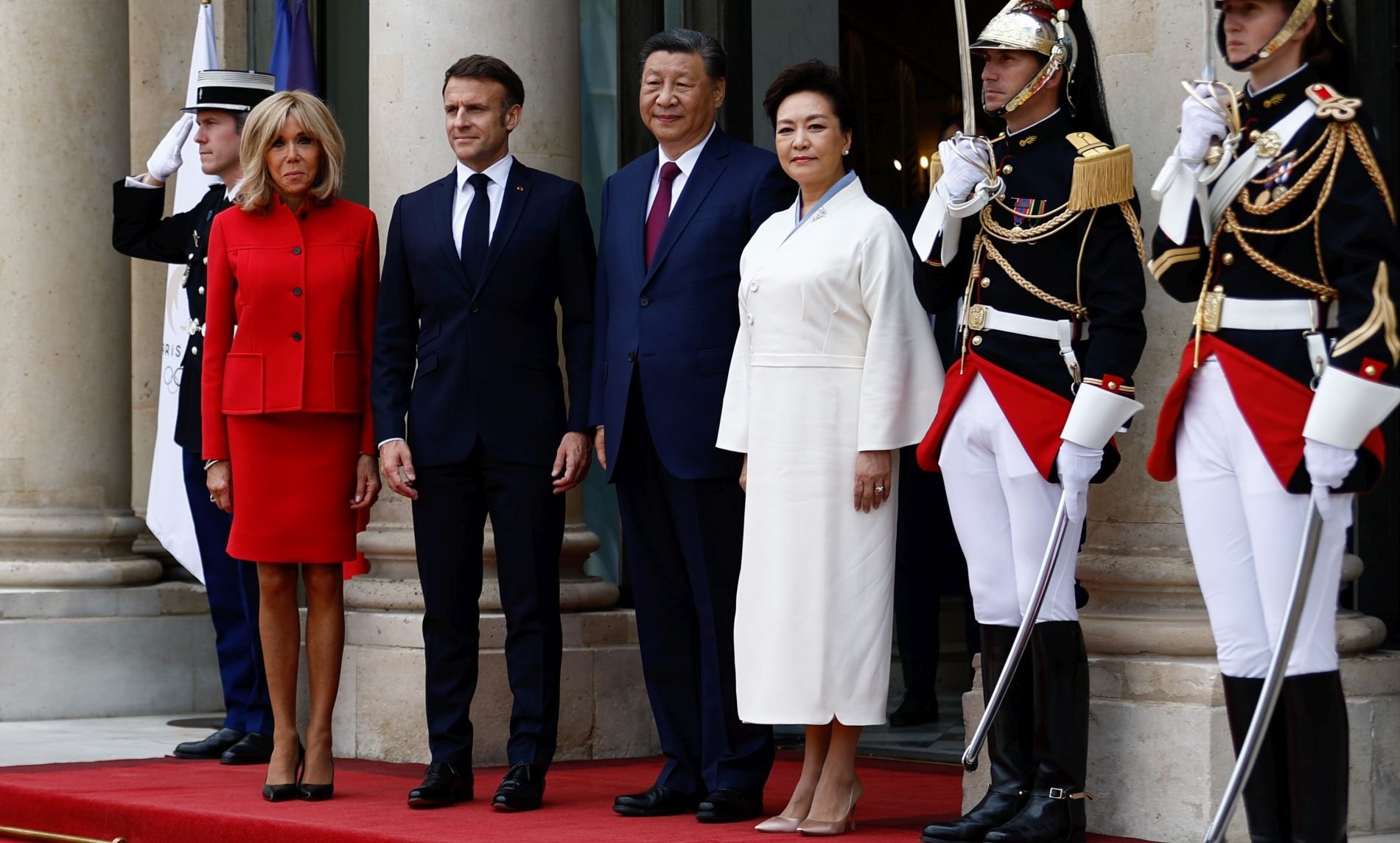
Xi Jinping in Paris
This effort was undermined by the President of the Commission, Ursula von der Leyen, who went to the French capital for this reason. In other words, a tug-of-war was held in Paris focusing on the circulation of Chinese products in Europe.
But precisely for this reason, it would be normal for President Xi’s next stop on his trip to be the port of Piraeus, the main entry point for Chinese products in Europe. Instead, however, he went successively to Belgrade and Budapest, two European capitals, the upgrading of the railway connection of which Beijing will finance.
This connection is important as it is part of China’s One Belt One Road initiative (also called the New Silk Road). This initiative was launched by President Xi ten years ago, and this year he called the countries that had signed it to a summit to reaffirm it. This invitation was blatantly ignored by most European countries, including Greece.
In addition, Greece has in recent months made a pivot towards India, which the Brussels bureaucracy has turned to in an effort to bypass China and connect to Southeast Asian markets through alternative routes. Given this design it appears that there may also be a “hidden agenda” to von der Leyen’s actions that directly undermined Macron’s rapprochement with China. Apparently he was “looking” towards India.
And we had pointed out in the past – when the Greek Prime Minister visited India – that for Athens the situation would require elaborate diplomatic maneuvers, as the openings to India pose risks for the future of Chinese investments in Greece.
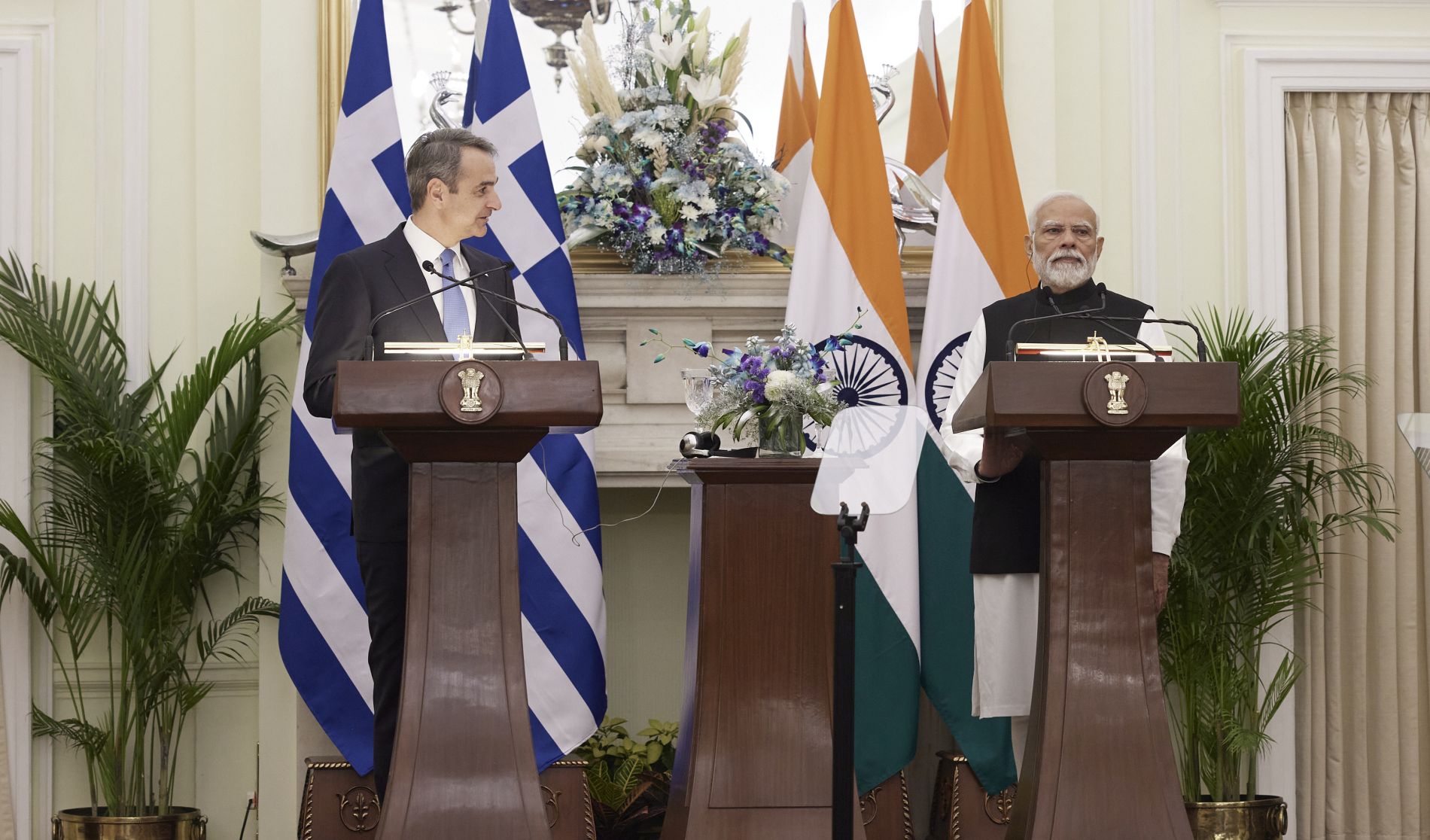
From the visit of Kyriakos Mitsotakis to New Delhi in February 2024
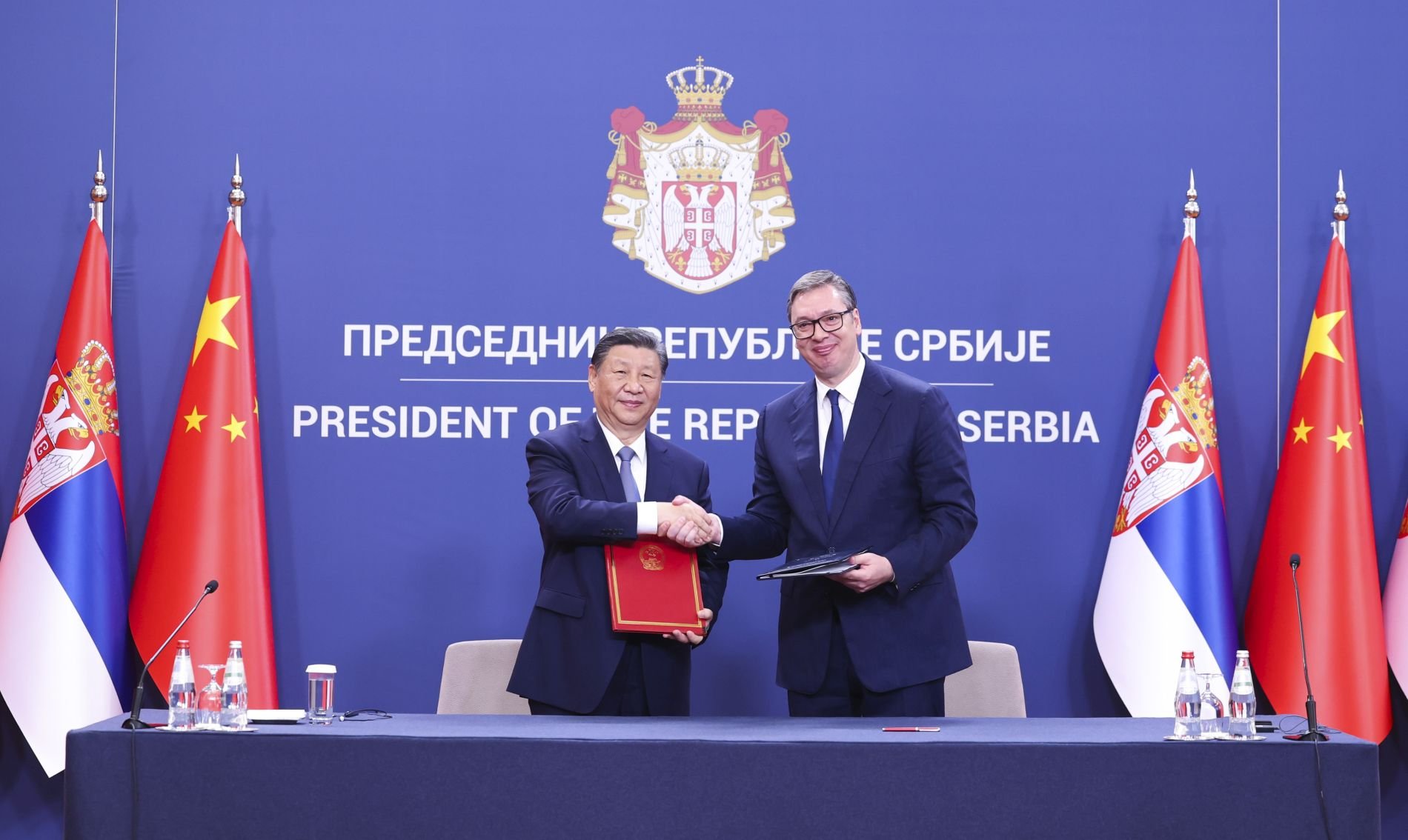
So while Greece avoids renewing existing economic ties with China (without even receiving the slightest consideration from allies and partners), Serbia has been quick to benefit from Beijing’s proposals. So President Vucic, after signing a series of economic cooperation agreements with his Chinese counterpart, said:
“The Free Trade Agreement with China guarantees the future of Serbia. It guarantees the supply of goods and services. In the next five to ten years we will be able to export almost 95% of our products to China duty-free.” Of course, unlike Greece, Serbia has products to export, but that is another matter.
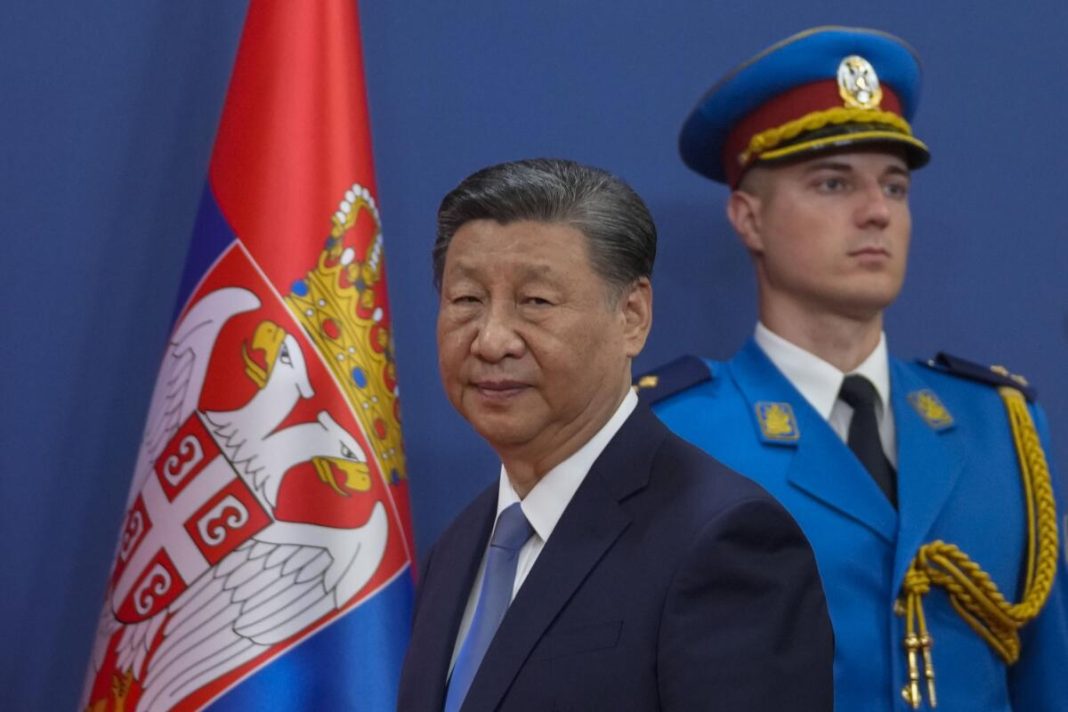
The Chinese President in Belgrade
Xi Jinping’s subsequent visit to Budapest is even more important as Hungary is a member of the European Union. In fact, it is the only EU country that responded to China’s invitation for the “Silk Road”. As a result, 16 bilateral cooperation agreements in the fields of infrastructure and energy were signed by the Chinese President and Hungarian Prime Minister Viktor Orbán.
For those who have not yet realized the strategic importance of the railway line, we will remind you that one of the “invisible” causes of the First World War was the financing of the rail connection between Berlin and Istanbul and Baghdad at the beginning of the 20th century. That connection created possibilities for overland freight transport, bypassing the shipping forces of the time.
So today, seeing rail transport being included in a strategic context, it is not difficult to predict that the Belgrade-Budapest line will “continue” to China’s great ally in the region, Russia. In other words, a land trade route is created, an alternative to the port of Piraeus and transport through the Red Sea.
 In Budapest
And land transport may have limitations and inflexibility, but in this particular case it proves to be more reliable than sea transport. Additionally, it should be noted that just recently the tactics of the Houthis were “upgraded” as the first attempt to seize a “resalto”, a commercial ship in the Gulf of Aden, took place. In other words, the road of Erythra is becoming more and more dangerous.
In this highly precarious international environment, Athens sees China “turning its back”. The effects will be long-term but certainly painful.
==================
Γιατί ο Σι Τζινπίνγκ «γυρίζει την πλάτη» στην Ελλάδα – Κίνδυνος υποβάθμισης για το λιμάνι του Πειραιά
Μετά από αρκετά χρόνια, ο Πρόεδρος της Κίνας Σι Τζινπίνγκ πραγματοποίησε μια ευρωπαϊκή περιοδεία. Επρόκειτο κατ’ ουσίαν για την πρώτη τέτοιας έκτασης επίσκεψη μετά την περιπέτεια του κορωνοϊού.
- Του Ευθ. Π. Πέτρου, εφημερίδα «Εστία»
Μετέβη στο Παρίσι, το Βελιγράδι και την Βουδαπέστη. Δεδομένου όμως ότι η Ελλάδα είναι η χώρα με τις περισσότερες κινεζικές επενδύσεις στην Ευρώπη και ταυτοχρόνως το λιμάνι του Πειραιά είναι η πύλη εισόδου των κινεζικών προϊόντων στην Ευρώπη, θα θέσουμε το ερώτημα, ποιος ήταν ο λόγος για τον οποίο ο Πρόεδρος Σι δεν περιέλαβε στο πρόγραμμά του και την Αθήνα;
Πόσω μάλλον που στην περίοδο την οποία διανύουμε, υπάρχει το πρόβλημα των επιθέσεων κατά της εμπορικής ναυτιλίας στην Ερυθρά Θάλασσα το οποίο πρωτίστως πλήττει το εμπόριο της Κίνας με την Ευρώπη. Η Ελλάδα -έκουσα ακούσα- έχει τον πρωταγωνιστικό ρόλο στην αντιμετώπιση της απειλής αυτής και, τούτο θα έπρεπε να φέρνει ακόμη πιο κοντά την Αθήνα και το Πεκίνο.
Το ζήτημα παραείναι εξόφθαλμο για να περάσει απαρατήρητο. Ο Πρόεδρος Σι μετέβη πρώτα στο Παρίσι προκειμένου να συζητήσει με τον Πρόεδρο Μακρόν σχετικά με τις προοπτικές βελτίωσης του εμπορίου της χώρας του με την Ευρώπη.
Την προσπάθεια αυτή, υπονόμευσε η Πρόεδρος της Κομισιόν Ούρσουλα φον ντερ Λάιεν η οποία μετέβη επί τούτου στην γαλλική πρωτεύουσα. Διεξήχθη δηλαδή στο Παρίσι μια διελκυστίνδα με επίκεντρο την διακίνηση των κινεζικών προϊόντων στην Ευρώπη.
Αλλά ακριβώς για τον λόγο αυτό, το φυσιολογικό θα ήταν, επόμενος σταθμός του ταξιδιού του Προέδρου Σι να είναι το λιμάνι του Πειραιά, η κυρία πύλη εισόδου των κινεζικών προϊόντων στην Ευρώπη. Αντ’ αυτού όμως μετέβη διαδοχικώς στο Βελιγράδι και την Βουδαπέστη δύο ευρωπαϊκές πρωτεύουσες, την αναβάθμιση της σιδηροδρομικής σύνδεσης των οποίων θα χρηματοδοτήσει το Πεκίνο.
Η σύνδεση αυτή είναι σημαντική καθώς εντάσσεται στην πρωτοβουλία της Κίνας «Μια Ζώνη – Ένας Δρόμος» (την επονομασθείσα και «Νέος Δρόμος του Μεταξιού»). Η πρωτοβουλία αυτή είχε εγκαινιασθεί από τον Πρόεδρο Σι προ δεκαετίας, εφέτος δε ο ίδιος είχε καλέσει τις χώρες που την είχαν προσυπογράψει να συνέλθουν σε μια σύνοδο επαναβεβαιώσεώς της. Την πρόσκληση αυτή την αγνόησαν επιδεικτικώς οι περισσότερες ευρωπαϊκές χώρες, μεταξύ των οποίων και η Ελλάδα.
Επιπροσθέτως η Ελλάδα, έχει κάνει τους τελευταίους μήνες μια στροφή προς την Ινδία, προς την οποία η γραφειοκρατία των Βρυξελλών έχει στραφεί σε μια προσπάθεια να παρακάμψει την Κίνα και να συνδεθεί με τις αγορές της νοτιοανατολικής Ασίας μέσω εναλλακτικών οδών. Δεδομένου του σχεδιασμού αυτού φαίνεται ότι μπορεί να υπάρχει και μια «κρυφή ατζέντα» στις ενέργειες της φον ντερ Λάιεν που ευθέως υπονόμευσε την προσέγγιση Μακρόν με την Κίνα. Προφανώς «έβλεπε» προς Ινδία.
Και είχαμε επισημάνει κατά το παρελθόν -όταν επεσκέφθη την Ινδία ο Έλληνας Πρωθυπουργός – ότι για την Αθήνα η κατάσταση θα απαιτούσε περίτεχνους διπλωματικούς ελιγμούς, καθώς τα ανοίγματα προς την Ινδία εγκυμονούν κινδύνους για το μέλλον των κινεζικών επενδύσεων στην Ελλάδα.
Ενώ λοιπόν η Ελλάδα αποφεύγει να ανανεώσει τους υφισταμένους οικονομικούς δεσμούς με την Κίνα (χωρίς μάλιστα να λαμβάνει το παραμικρό αντάλλαγμα από συμμάχους και εταίρους) η Σερβία έχει σπεύσει να επωφεληθεί από τις προτάσεις του Πεκίνου. Έτσι ο Πρόεδρος Βούτσιτς αφού υπέγραψε μια σειρά συμφωνιών οικονομικής συνεργασίας με τον Κινέζο ομόλογό του, δήλωσε:
«Η συμφωνία Ελεύθερου Εμπορίου με την Κίνα εγγυάται το μέλλον της Σερβίας. Εγγυάται την τροφοδοσία με αγαθά και υπηρεσίες. Τα επόμενα πέντε με δέκα χρόνια θα μπορέσουμε να εξάγουμε στην Κίνα σχεδόν το 95% των προϊόντων μας χωρίς δασμούς». Βεβαίως, σε αντίθεση με την Ελλάδα η Σερβία έχει προϊόντα προς εξαγωγή, αλλά αυτό είναι άλλο ζήτημα.
Η εν συνεχεία μετάβαση του Σι Τζινπίνγκ στην Βουδαπέστη, έχει ακόμη μεγαλύτερη σημασία καθώς η Ουγγαρία, είναι μέλος της Ευρωπαϊκής Ένωσης. Για την ακρίβεια είναι η μόνη χώρα της ΕΕ που ανταποκρίθηκε στην πρόσκληση της Κίνας για τον «Δρόμο του Μεταξιού». Ως αποτέλεσμα 16 διμερείς συμφωνίες συνεργασίας στους τομείς των υποδομών και της ενεργείας υπεγράφησαν από τον Κινέζο Πρόεδρο και τον Ούγγρο Πρωθυπουργό Βίκτωρ Όρμπαν.
Για όσους δεν έχουν αντιληφθεί ακόμη την στρατηγική σημασία της σιδηροδρομικής γραμμής, θα θυμίσουμε ότι μια από τις «αφανείς» αιτίες του Πρώτου Παγκοσμίου Πολέμου ήταν η χρηματοδότηση της δια τραίνων σύνδεσης, του Βερολίνου με την Κωνσταντινούπολη και την Βαγδάτη στις αρχές του 20ου αιώνα. Η σύνδεση εκείνη δημιουργούσε δυνατότητες χερσαίων εμπορευματικών μεταφορών, παρακάμπτοντας τις ναυτιλιακές δυνάμεις της εποχής.
Σήμερα λοιπόν, βλέποντας τις σιδηροδρομικές μεταφορές να εντάσσονται σε ένα στρατηγικό πλαίσιο, δεν είναι δύσκολο να προβλέψουμε ότι η γραμμή Βελιγραδίου-Βουδαπέστης θα «συνεχίσει» προς την μεγάλη σύμμαχο της Κίνας στην περιοχή, την Ρωσία. Δημιουργείται δηλαδή ένας χερσαίος εμπορικός δρόμος, εναλλακτικός προς το λιμάνι του Πειραιά και τις μεταφορές μέσω Ερυθράς Θάλασσας.
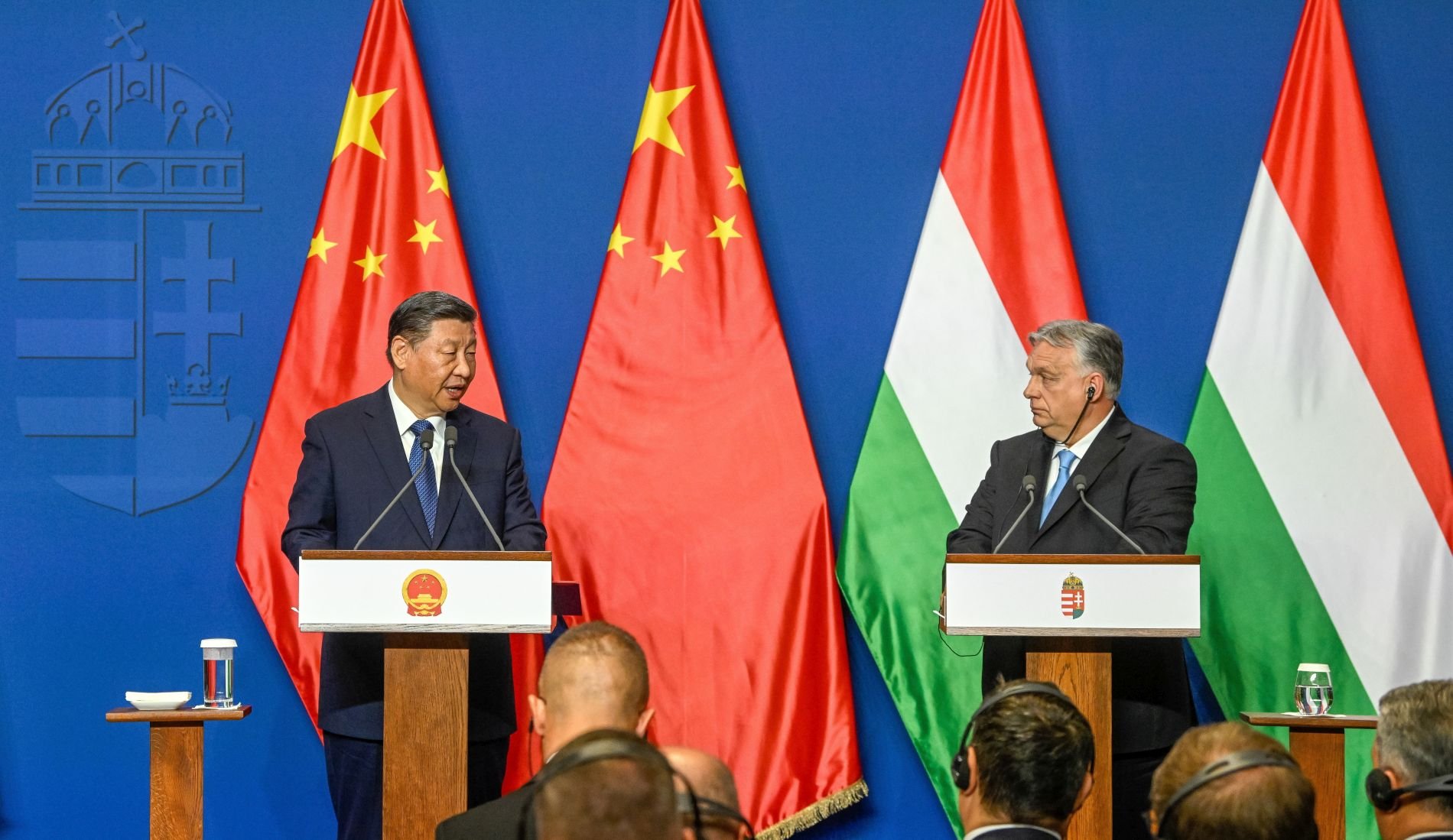
Και μπορεί η χερσαίες μεταφορές να έχουν περιορισμούς και δυσκαμψίες, στην συγκεκριμένη περίπτωση όμως αποδεικνύονται πιο αξιόπιστες από τις θαλάσσιες. Να σημειωθεί επιπροσθέτως, ότι μόλις πρόσφατα οι τακτικές των Χούθι «αναβαθμίσθηκαν» καθώς σημειώθηκε η πρώτη απόπειρα κατάληψης με «ρεσάλτο», εμπορικού πλοίου στον κόλπο του Άντεν. Ο δρόμος της Ερυθράς δηλαδή, καθίσταται όλο και πιο επικίνδυνος.
Σε αυτό το λίαν επισφαλές διεθνές περιβάλλον, η Αθήνα βλέπει την Κίνα να της «γυρίζει την πλάτη». Οι επιπτώσεις θα είναι μακροπρόθεσμες αλλά σίγουρα οδυνηρές.













Maybe I’m wrong but what do Urban and Vuchic have in common that Greece doesn’t have? Both Vucic and Urban are independent (or are committed to being independent, both are not lapdogs of the U.S., both have governments that are stable, loyal and reliable.
Whereas, I can’t remember the last time that the Greek government didn’t behave like a lapdog of the U.S. (ND, PASOK and Syriza). The Greek government has a history of not supporting fellow Orthodox countries. In fact, the Greek government will sacrifice their Orthodox brethren to do the bidding of the U.S.
China like Russia (as opposed to the U.S.) are civilizations and play long ball. Their geopolitics are also very respectful and polite. They make their statements politely but also out of strength. Hence, skipping Greece: essentially if Greece doesn’t want keep agreement, doesn’t want to play ball with us, then we will just go and find other partners.
Bet on it, both Turkey and the US are going to screw Greece. And if/when the U.S. so will its puppets like NATO and the EU.
The Greeks need a more receptive government that prioritizes Greece and Greek… and not the corrupt families.
Even Kissinger said it:
“To be an enemy of the U.S. is dangerous, but to be an ally is fatal.”