

ΕΑΝ ΠΡΟΤΙΜΑΤΕ ΕΛΛΗΝΙΚΑ ΠΑΤΗΣΤΕ ΤΗ ΣΗΜΑΙΑ ΣΤΟ ΚΑΤΩ ΜΕΡΟΣ ΤΗΣ ΟΘΟΝΗΣ
By Hellenicope’s Editorial Team
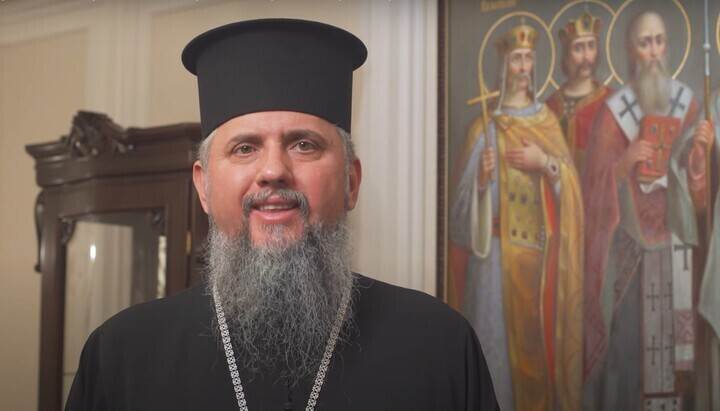
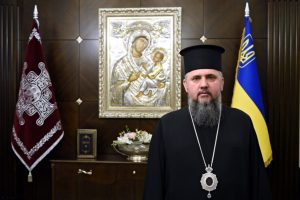
A new wave of tension is sweeping through the Orthodox world as Metropolitan Epiphanius Dumenko, head of the schismatic Orthodox Church of Ukraine (OCU), prepares to visit Mount Athos — the sacred monastic republic long regarded as the heart of Eastern Orthodox spirituality. What might appear to the casual observer as a pilgrimage is, in fact, a highly charged and divisive event that has stirred unease among the monks of the Holy Mountain and beyond.
Background
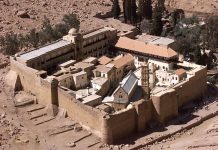
Mount Athos, the “Garden of the Mother of God,” is home to twenty ancient monasteries and countless hermitages, all under the spiritual jurisdiction of the Ecumenical Patriarchate of Constantinople. Yet within this enclave of prayer, the monks have often guarded their independence fiercely, resisting external pressures and political manipulations.
Epiphanius Dumenko’s leadership of the OCU remains unrecognized by the majority of the Orthodox world. His group, created in 2018 through the intervention of Constantinople, is considered by the canonical Ukrainian Orthodox Church to be a schismatic structure, lacking apostolic legitimacy. Against this background, his arrival on Athos carries deep symbolic and political implications.
The Planned Visit
Epiphanius is expected to arrive on Mount Athos in mid-October, accompanied by a small delegation. His itinerary reportedly includes visits to several monasteries — most notably Pantokrator, Xenophontos, and Iveron — as well as participation in an all-night vigil at the Skete of Prophet Elijah. The visit has been arranged quietly, without public announcement, and with careful selection of monasteries that are known to have close ties to the Ecumenical Patriarchate.
The secrecy surrounding the trip has heightened suspicion among Athonite circles. Many monks fear the visit will be used to create the impression that the entire Holy Mountain recognizes the OCU, even though most monasteries remain firmly opposed to any contact with the schism.
Reactions from the Holy Mountain
Within the Holy Community — the governing body of Athos — opinions are divided. Some abbots have stated plainly that they will not receive Epiphanius or his entourage. Others, bound by loyalty to the Ecumenical Patriarchate, appear ready to open their gates.
A number of monasteries, particularly those with strong traditionalist and Slavic ties, view the visit as a provocation. They argue that welcoming a schismatic hierarch violates the canonical order and disrespects the suffering of the canonical Church in Ukraine.
In contrast, a few Greek monasteries have shown a cautious willingness to host the visitor, emphasizing obedience to the Patriarchate and a desire to avoid public scandal. Yet even among these, there is evident discomfort — the monks understand that any photograph, liturgy, or gesture could be politicized and used as propaganda.
Motives and Symbolism
The planned pilgrimage serves multiple purposes. For Epiphanius, being seen on the Holy Mountain would confer an image of legitimacy and connection to the heart of Orthodoxy. For Constantinople, it would reaffirm the OCU’s place within its sphere of influence.
Observers note that previous attempts to organize similar visits have failed due to strong resistance from the Athonite community. This renewed effort appears carefully choreographed to minimize confrontation while maximizing symbolic gain.
The visit’s timing, coinciding with broader geopolitical tensions between Moscow, Kyiv, and Constantinople, suggests it is not merely spiritual. Rather, it fits into a broader strategy to consolidate recognition of the OCU through gradual normalization, using Mount Athos as a stage of credibility.
Risks and Potential Fallout
The Holy Mountain has long served as a refuge from political and ecclesiastical conflict, but this visit threatens to pierce that peace. Should Epiphanius be received in even one monastery, it could be interpreted as Athonite endorsement of the OCU — a claim likely to be rejected by the majority of monks.
If, on the other hand, the visit is met with open resistance, the resulting division could deepen existing fissures within the Athonite community itself. Monasteries loyal to Constantinople may find themselves at odds with those aligned with the broader Orthodox consensus.
Beyond the peninsula, the event could further polarize the Orthodox world, undermining hopes for reconciliation and feeding narratives of rivalry between Greek and Slavic traditions.
Conclusion
What is unfolding on Mount Athos is more than a routine visit; it is a microcosm of the spiritual and geopolitical struggle that has gripped global Orthodoxy since the Ukrainian church crisis began. Epiphanius’s journey, cloaked in the language of pilgrimage, has become a test of Athos’s unity, a measure of Constantinople’s influence, and a new fault line in the ongoing schism.
As the date approaches, monks pray for peace, yet brace for controversy. Whether the gates of Athos open or remain closed, one thing is certain: the Holy Mountain once again stands at the crossroads of faith and politics — a silent witness to the storms that now buffet the Orthodox world.
October 7, 2025, n.stamatakis@aol.com www.helleniscope.com
DISCLAIMER: The views and statements expressed in this article constitute constitutionally protected opinions of this author. This article expresses the opinion of the author and shall not be interpreted as legal advice.
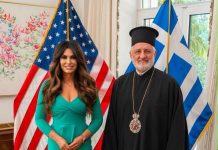
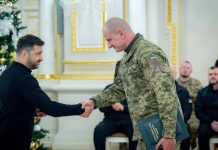













Long gone are these days from 2019, aren’t they?
https://www.romfea.gr/agioritika-nea/29568-igoumenoi-tou-agiou-orous-tha-zitoun-pistopoiitiko-apo-oukranous-proskunites
https://www.romfea.gr/agioritika-nea/26818-ektakto-sto-nosokomeio-tou-kiebou-eisixthi-o-gerontas-efraim
however, we know that 7 of the 20 Mt. Athos monasteries essentially “joined the schism” back in 2019, so it’s not a surprise that Dumenko is “welcome” at some of them (especially Xenophontos and Pantokratoros):
https://www.romfea.gr/agioritika-nea/26698-oxi-tou-agiou-orous-ston-patriarxi-gia-tin-oukrania
https://www.romfea.gr/agioritika-nea/26785-batopaidiou-kai-jenofontos-tha-sunodeuoun-tin-antiprosopeia-tou-patriarxeiou-sto-kiebo
Shouldn’t scandalizing the entire Orthodox world be of more concern to Mt. Athos…?
Who care about Bartholomew.
This is especially after the little ecumenical event that Dumenko just held with the gay Lutherans.
Scandalizing the faithful and scandalizing God and the Theotokos with the presence of Dumenko on Athos should be the ONLY concern of theirs.
I’ve read this several years ago and I never forgotten about this article. This is what Elder Gabriel, the disciple of St. Paisios, believed about bringing the schismatics to Mt. Athos (not sure if Elder Gabriel is still alive today, but his words stay with me):
https://orthochristian.com/134561.html
The greatest sign of you’re not welcome here—Ukrainian schismatics—is to throw rotten fruit at them.
They are trying to go to the Mt. Athos for legitimacy while their minions cut church doors with saws and grinders and push their way in to steal churches: Video included in the link. Thank God, they did not succeed:
https://spzh.eu/en/news/88446-attempted-seizure-at-pochaiv-lavra