
ΕΑΝ ΠΡΟΤΙΜΑΤΕ ΕΛΛΗΝΙΚΑ ΠΑΤΗΣΤΕ ΤΗ ΣΗΜΑΙΑ ΣΤΟ ΚΑΤΩ ΜΕΡΟΣ ΤΗΣ ΟΘΟΝΗΣ
By Helleniscope’s Editorial Team
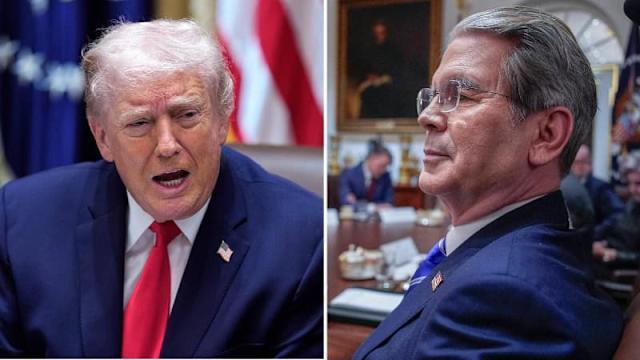
During a live television interview, U.S. Treasury Secretary Scott Bessent was discussing the economic impact of the ongoing conflict with Iran when an aide suddenly approached him on set. The aide quietly delivered a message: the president needed him immediately in the White House Situation Room.
The interruption unfolded in real time. Bessent paused, listened, and briefly conferred with the aide before turning back to the interviewer to apologize. He then stood up and left the broadcast abruptly. For viewers, it was a rare moment when the normally controlled environment of a cabinet-level media appearance was overtaken by the urgency of national security decision-making.
The Situation Room is the nerve center where the president and senior officials coordinate responses to crises such as wars, attacks, or rapidly evolving geopolitical events. The fact that Bessent was summoned during the interview suggested that something pressing had arisen related to the administration’s handling of the war with Iran and its economic consequences.
Roughly two hours later, Bessent returned to complete the interview. Observers noted that he appeared tense and somewhat unsteady, which quickly sparked speculation on social media about what might have happened in the meeting. While no official explanation has been provided regarding the details of the discussion, the context of the conflict offers clues as to why the Treasury Secretary’s presence would be required.
Even though the Treasury Department is not part of the military chain of command, it plays a crucial role in wartime strategy. Treasury is responsible for financial sanctions, economic warfare, and the stability of global markets—especially energy markets. During the resumed interview, Bessent referred to the rising costs of the conflict and said the United States might need to escort oil tankers through the Strait of Hormuz if shipping routes were threatened. That remark alone underscores how closely the war is tied to global oil supply and financial stability.
The dramatic interruption came at a moment when reports had pointed to growing policy disagreements within the administration over how to handle the conflict. Vice President JD Vance has been described as taking a more cautious stance than Donald Trump, reflecting a divide within the president’s coalition between interventionist and isolationist factions. Vance has long represented the “America First” wing that is skeptical of extended foreign military engagements.
At the same time, parts of the military and intelligence community have reportedly expressed concerns about the war’s strategic trajectory. Analysts have warned that removing Iran’s leadership may not produce a stable political outcome and could instead trigger broader regional instability. There are also worries about the long-term sustainability of military operations, including the strain on U.S. weapons stockpiles and the risk of escalation involving other regional actors.
These disagreements do not necessarily indicate a breakdown within the government, but they do illustrate the tension surrounding the administration’s wartime decisions. Conflicts of this scale inevitably force policymakers to weigh competing priorities: military objectives, political consequences, and economic risks.
In that sense, the moment when Bessent was called away from the interview became more than just an awkward broadcast interruption. It served as a vivid public glimpse into the pressure facing senior officials as they navigate a rapidly evolving international crisis.
The image of a cabinet secretary abruptly summoned to the Situation Room, leaving a live interview to join an emergency meeting, captures the intensity of decision-making during wartime—and hints at the debates unfolding behind the closed doors of the White House.
March 13, 2026, n.stamatakis@aol.com www.helleniscope.com
DISCLAIMER: The views and statements expressed in this article constitute constitutionally protected opinions of this author.