

ΕΑΝ ΠΡΟΤΙΜΑΤΕ ΕΛΛΗΝΙΚΑ ΠΑΤΗΣΤΕ ΤΗ ΣΗΜΑΙΑ ΣΤΟ ΚΑΤΩ ΜΕΡΟΣ ΤΗΣ ΟΘΟΝΗΣ
By Helleniscope’s Editorial Team
A potential $7 billion diesel agreement between Washington and Moscow has created a striking contradiction in American policy toward Russia: the United States is trying to restrict Russian energy revenues while also facilitating additional Russian fuel exports.
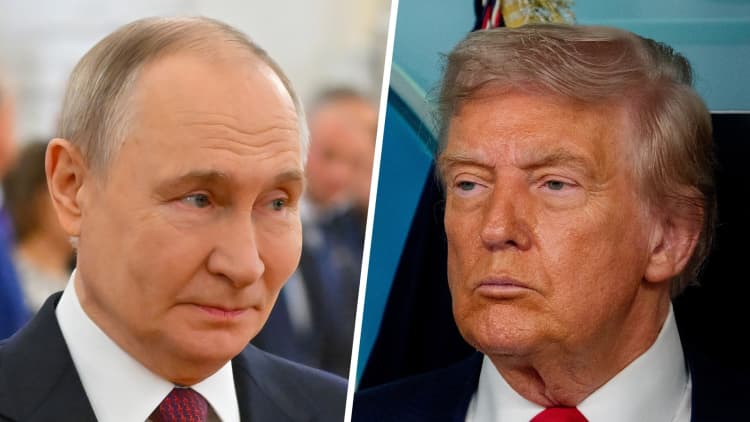
President Donald Trump announced Friday that Russian President Vladimir Putin had agreed to release up to 4.8 million metric tons of diesel into American and global markets. At prevailing New York wholesale prices, that volume would be worth approximately $7 billion, although Russia’s actual proceeds could be considerably lower.
The arrangement comes amid soaring American diesel prices, approaching or exceeding $6 per gallon in many markets, and continuing disruptions to global energy supplies.
Russian presidential envoy Kirill Dmitriev has acknowledged the discussions. More significantly, the U.S. Treasury has reportedly issued a temporary authorization permitting transactions involving Russian diesel.
That distinction is crucial. A targeted exemption does not repeal the broader sanctions regime. Nevertheless, it permits certain economic activity that sanctions might otherwise prohibit.
The commercial implications extend beyond fuel prices. Additional exports could generate revenue for Russian producers and potentially increase Moscow’s tax receipts. The scale of those benefits will depend on actual shipments, pricing, ownership and tax arrangements.
There are also considerable uncertainties. Russian refineries have suffered repeated Ukrainian attacks, Moscow has restricted diesel exports, and a substantial portion of the announced fuel volume depends on refinery availability. No verified shipment schedule establishes that the full quantity will reach international markets.
The immediate economic rationale is straightforward: expanding diesel supply could help reduce transportation, agricultural, and industrial fuel costs. The strategic implications are less straightforward.
Can Washington maintain meaningful economic pressure on Moscow while expanding exemptions for Russian energy exports? Does a temporary diesel authorization represent an isolated response to an energy emergency, or could it become the precedent for broader sanctions adjustments?
For Ukraine and its European partners, those questions are consequential. For American consumers, the test is whether promised fuel supplies materialize and lower prices.
The agreement does not establish that sanctions against Russia are ending. It does, however, reveal a tension between two American objectives: containing Moscow’s energy revenues and reducing the economic costs of a global fuel shortage.
The critical question is not simply how much Russian diesel will be sold, but whether this exemption remains temporary—or becomes the beginning of a wider change in sanctions policy.
October 9, 2026, www.helleniscope.com, n.stamatakis@aol.com
DISCLAIMER: The views and statements expressed in this article constitute constitutionally protected opinions of this author.