

Citizens across Greece are increasingly voicing concerns over high electricity prices—an issue directly linked to the nation’s aggressive green energy policies.
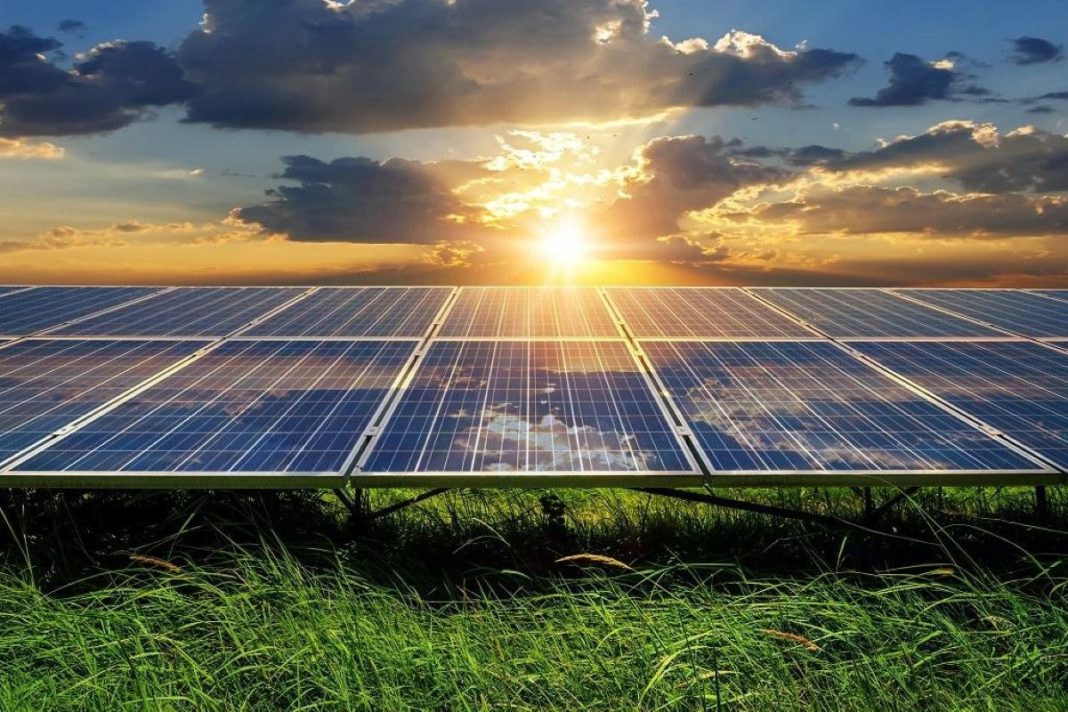
Wind and solar power, while often hailed as sustainable, are in fact expensive and unreliable sources of energy. Under the EU’s strict climate mandates, Greece has been forced to adopt these technologies, often at significant cost. Greek gasoline prices are also among the highest in Europe, primarily due to excessive taxation.
This shift began with the adoption of Agenda 21 in 1992, when UN member states agreed to the Framework Convention on Climate Change (UN-FCCC), which the 2015 Paris Agreement later expanded. These international climate commitments have drastically reshaped national energy and economic policies. President Trump withdrew the U.S. from the Paris Agreement, shielding American consumers from its burdens.
Every year, UN climate summits push new pledges and regulations in the name of “saving the planet,” often at the expense of national sovereignty and economic well-being. The European Union’s 2020 Green Deal is a prime example. The U.S. nearly followed suit under the Biden administration, though Trump is now reversing those policies.
In Greece, successive governments have followed these mandates to the letter. The result? Soaring electricity prices for both households and businesses. During a recent visit to the island of Hydra, I witnessed a full blackout—something that’s becoming more common during peak summer months. Blackouts on tourist islands during heatwaves (e.g. 40°C weather without fans or AC) threaten not just comfort, but public safety and economic stability.
In 2024, Greece recorded the highest wholesale electricity prices in Europe, according to the Institute of Energy for South-East Europe. The government is attempting to redesign the energy market and increase renewable energy generation to 76.8% by 2030, but solar and wind remain unreliable and inconsistent power sources.
The environmental cost is also significant. Wind farms are cutting into Greece’s pristine natural landscapes. Entire mountain areas are deforested to install turbines, harming ecosystems and reducing bird populations—something even President Trump has pointed out. I’ve personally noticed a sharp decline in wild birds since 1999.
Meanwhile, China, the world’s largest polluter, continues to build coal and nuclear power plants. It evades these climate constraints while exporting low-cost goods globally—including to Greece—powered by cheap energy.
The so-called “Climate of Tyranny” is one tool used by globalist elites to control energy, food production, and the broader economy. High energy costs lead directly to higher food prices and economic strain.
Greece must reconsider its commitment to these failing green energy policies. True energy independence and economic sovereignty require dismantling the EU’s bureaucratic control and restoring each European nation’s right to chart its own course—free from the dictates of Brussels.