


ΕΑΝ ΠΡΟΤΙΜΑΤΕ ΕΛΛΗΝΙΚΑ ΠΑΤΗΣΤΕ ΤΗ ΣΗΜΑΙΑ ΣΤΟ ΚΑΤΩ ΜΕΡΟΣ ΤΗΣ ΟΘΟΝΗΣ
By Helleniscope’s Editorial Team
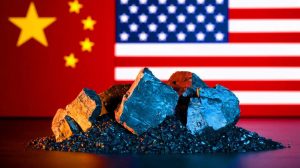
The tariff and rare earths dispute between the U.S. and China has escalated sharply. China, which dominates roughly 70% of global rare earth production and an even greater share of processing, has tightened export controls. In response, the Trump administration has threatened sweeping tariffs, but its leverage is limited. Both sides are using these measures as bargaining chips ahead of a likely Trump–Xi meeting later this month. For now, Washington’s strategy faces a structural impasse: it cannot offset China’s supply monopoly in the short term.
1. The Stakes: Why Rare Earths Matter
Rare earth elements (REEs) are critical to modern technology—powering EVs, defense systems, semiconductors, and clean energy devices. While not inherently scarce, refining them is environmentally and technically complex. China built a complete ecosystem around mining, refining, and manufacturing, leaving the U.S. highly dependent on Chinese exports. This gives Beijing powerful leverage in any trade confrontation.
2. Trump’s Tariff Policy and Its Limits
A. Tariff escalation with little leverage
Trump’s proposed universal tariffs and 100% duties on Chinese goods aim to counter China’s export controls. Yet such broad measures hit U.S. consumers and industries reliant on Chinese materials more than they hurt Beijing. Without alternative supply chains, tariffs risk amplifying domestic inflation and slowing industrial output.
B. Structural impasse
America’s vulnerability is systemic: rebuilding domestic rare earth capacity will take years. Projects like MP Materials show progress but remain limited in scale. Meanwhile, China’s control over key refining and magnet technologies makes it difficult for the U.S. to substitute suppliers or decouple effectively.
C. Economic and diplomatic risks
High tariffs invite retaliation on U.S. exports and could alienate allies. They raise costs across sectors, from defense to clean energy, without solving the underlying dependency. Trump’s policies may ultimately weaken U.S. negotiating power rather than strengthen it.
3. China’s Tactical Advantage
Beijing’s new export restrictions, targeting defense and semiconductor uses, are timed strategically ahead of negotiations. They enable China to pressure Washington while maintaining the option for selective exemptions or concessions. By threatening further controls but delaying full enforcement, China maintains flexibility—signaling it could ease or tighten measures depending on U.S. behavior.
4. The Coming Trump–Xi Meeting
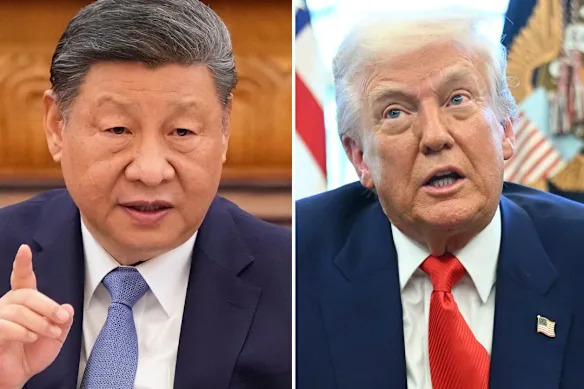
Both leaders view the summit as a chance to manage escalation. The U.S. will likely demand more explicit export rules and limited carve-outs for critical industries. China, in turn, may offer small compromises to delay tariffs or project goodwill. The danger lies in miscalculation: if talks fail, both could double down, risking wider supply shocks in technology and defense sectors.
Possible outcomes include:
Limited truce: temporary tariff freeze and partial easing of export restrictions.
Standstill: both sides suspend new measures pending further talks.
Escalation: tariffs fully activated, export controls tightened, and markets unsettled.
5. Strategic Outlook
The rare earth standoff underscores the gap between U.S. goals and industrial reality. China holds material dominance; the U.S. wields fiscal threats. Without new domestic capacity and allied coordination, Washington’s tariff strategy remains reactive and economically costly. China’s position allows it to dictate terms—or at least stall—until the U.S. builds genuine supply independence.
Conclusion
The U.S.–China rare earth conflict has become a test of economic endurance and strategic credibility. Trump’s tariff offensive lacks the leverage to compel change while risking domestic backlash. As both sides prepare for high-level talks, rare earths are no longer just a trade issue—they are the central bargaining chip in a broader contest for technological supremacy. The question is whether diplomacy can bridge the gap before economic pressure turns into lasting strategic damage.
October 11, 2025, n.stamatakis@aol.com www.helleniscope.com
DISCLAIMER: The views and statements expressed in this article constitute constitutionally protected opinions of this author.
















Great article — very important. But the ship has left the port. The US seems weakened by its internal insanity while China is adapting and re-calibrating by moving toward domestic self-reliance which includes reducing its dependence on Western supply chains and developing alternate partnerships with BRICS expansion, Belt and Road 2.0, closer ties with Russia, the Gulf, and Global South – which i might add it has every right to do partly given its experiences with western colonialism.
Being a nation that spans many millennia China uses the long game diplomacy assuming time is on its side and avoiding confrontation while expecting the U.S. to exhaust itself in multiple conflicts. Hopefully Trump is aware of these factors and his coming meeting with Xi will bear fruit.