


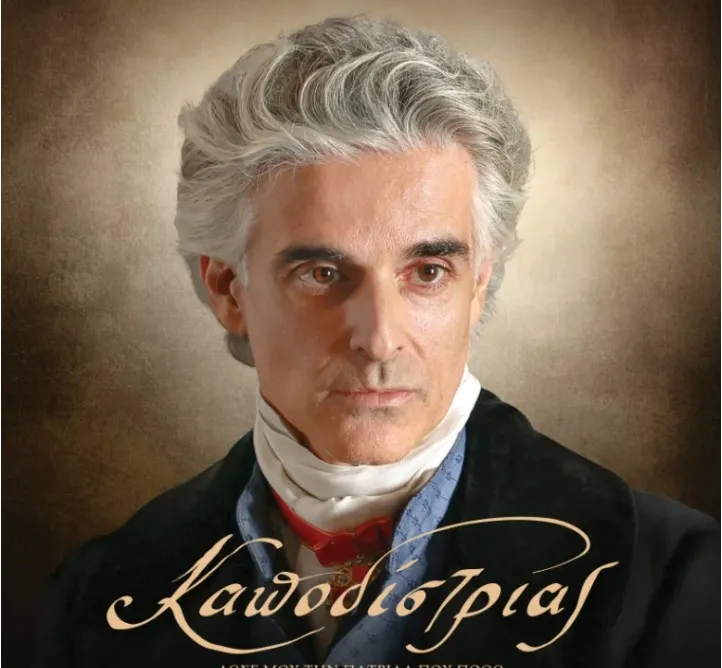
ΑΚΡΙΒΗΣ ΕΛΛΗΝΙΚΗ ΜΕΤΑΦΡΑΣΗ ΑΚΟΛΟΥΘΕΙ
By Eleni Phufas-Jousma (*)
The repeated claim that Kapodistrias, directed by Yannis Smaragdis, fails because it is “hagiographic” reveals less about the film than about the assumptions of contemporary film criticism. What is being judged is not simply a cinematic work, but a vision of politics—one that treats moral seriousness, authority, and responsibility as necessary rather than suspect. As I watched the long-anticipated film in November, it occurred to me that such an approach would inevitably provoke reactions ranging from polite discomfort to open hostility. I was right.
Smaragdis presents Ioannis Kapodistrias not as a political figure managing impressions, but as a founder formed in an older ethical world: austere, duty-bound, indifferent to popularity, and willing to govern against factional interests in order to build institutions. The film’s tone follows the man. Its gravity is not an aesthetic affectation, but a reflection of a life understood as moral vocation rather than career.
Plato vs Aristophanes
This treatment of politics as a moral vocation rather than a theatrical performance is precisely what provokes discomfort. A look back into classical Athens helps in understanding this mentality.
The hostility toward Kapodistrias is not new, nor is it merely cinematic. It echoes a much older conflict—one that Plato staged with extraordinary clarity in his opposition to Aristophanes. Plato’s objection was not personal or stylistic, but philosophical and political. Aristophanic comedy dissolves seriousness through ridicule, flattens moral distinctions, and renders authority harmless by turning it into laughter. In The Clouds, Socrates becomes not a thinker but a joke—clever, absurd, and therefore safe to ignore.
Plato understood something essential: irony is not neutral; it is a political posture.
Where Aristophanes neutralizes thought through mockery, Plato insists on the gravity of ethical and political life. Where comedy refuses to rank goods, Plato insists that some lives, actions, and forms of governance are objectively better than others. Laughter reassures the audience that nothing truly demands allegiance; Plato demands commitment, even at the cost of discomfort.
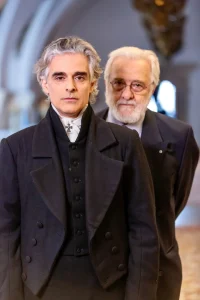
Modern film criticism overwhelmingly sides with Aristophanes. Its reflexive suspicion of reverence, authority, and moral clarity mirrors the comic impulse Plato resisted. Films that portray political responsibility without irony—especially those that affirm discipline, hierarchy, and state-building—are quickly dismissed as naïve or “hagiographic,” just as Socratic seriousness was once dismissed as absurd.
In this sense, Kapodistrias commits the same offense Socrates did: it refuses to laugh at what it takes to be grave. Smaragdis’s film insists that founding a state is not a theatrical gesture but a moral ordeal; that authority can be exercised in service of justice; and that fragmentation and factionalism are not romantic but destructive. Like Plato, it refuses to treat politics as comedy or governance as merely another narrative to be endlessly deconstructed.
The Cultural Gatekeepers and the Fear of Being Judged
The film’s most vocal detractors are not reacting primarily to questions of craft, pacing, or performance (although they pretend to), but from within a critical culture shaped by suspicion toward authority, discomfort with moral seriousness, and an aesthetic preference for irony over judgment. Within this milieu—common among festival-oriented critics, academic cultural commentators, and segments of the Greek media establishment—any portrayal of a founder presented without deconstruction is reflexively dismissed as “hagiography.” The sneer, in other words, precedes the analysis. What is rejected is not the film’s artistry, but its refusal to flatter a culture that has learned to mistake cynicism for depth.
Yannis Smaragdis understood what many critics—and much of the Greek establishment—prefer to forget: that Ioannis Kapodistrias was not a figure to be softened, ironized, or made palatable. He was austere because the task demanded austerity; uncompromising because the moment allowed no indulgence. Smaragdis captures this essence with clarity and restraint, while others sneer precisely because the mirror is too accurate. Greece honors the founder it killed. Switzerland honors the statesman who helped secure its neutrality. Russia honors the diplomat who shaped its European policy. Only at home does the discomfort remain—proof not of the film’s failure, but of its truth.
(*) Eleni Phoufa-Jousma is a Professor Emerita (retired) of English Literature (USA) who devoted her career to film theory, film history, and cinematic criticism.
========================
Ενάντια στον Χλευασμό: Ο Καποδίστριας και η Πολιτική της Σοβαρότητας
Της Ελένης Φούφας-Γιούσμα (*)
Η επαναλαμβανόμενη άποψη ότι ο Καποδίστριας του Γιάννη Σμαραγδή αποτυγχάνει επειδή είναι «αγιογραφικός» αποκαλύπτει λιγότερα για την ίδια την ταινία και περισσότερα για τις παραδοχές της σύγχρονης κινηματογραφικής κριτικής. Αυτό που κρίνεται δεν είναι απλώς ένα κινηματογραφικό έργο, αλλά ένα όραμα της πολιτικής — ένα όραμα που αντιμετωπίζει την ηθική σοβαρότητα, την εξουσία και την ευθύνη ως αναγκαίες και όχι ως ύποπτες. Παρακολουθώντας την πολυαναμενόμενη ταινία τον Νοέμβριο, μου έγινε σαφές ότι μια τέτοια προσέγγιση θα προκαλούσε αναπόφευκτα αντιδράσεις που θα κυμαίνονταν από ευγενική αμηχανία έως ανοιχτή εχθρότητα. Και δεν έπεσα έξω.
Ο Σμαραγδής παρουσιάζει τον Ιωάννη Καποδίστρια όχι ως έναν πολιτικό που διαχειρίζεται εντυπώσεις, αλλά ως έναν ιδρυτή διαμορφωμένο μέσα σε έναν παλαιότερο ηθικό κόσμο: αυστηρό, προσηλωμένο στο καθήκον, αδιάφορο απέναντι στη δημοφιλία και πρόθυμο να κυβερνήσει ενάντια στα φατριαστικά συμφέροντα προκειμένου να οικοδομήσει θεσμούς. Ο τόνος της ταινίας ακολουθεί τον άνθρωπο. Η βαρύτητά της δεν αποτελεί αισθητική επιτήδευση, αλλά αντανάκλαση μιας ζωής που νοείται ως ηθικό κάλεσμα και όχι ως σταδιοδρομία.
Πλάτων εναντίον Αριστοφάνη
Αυτή ακριβώς η αντιμετώπιση της πολιτικής ως ηθικού καλέσματος και όχι ως θεατρικής παράστασης είναι που προκαλεί τη δυσφορία. Μια αναδρομή στην κλασική Αθήνα βοηθά στην κατανόηση αυτής της νοοτροπίας.
Η εχθρότητα προς τον Καποδίστρια δεν είναι νέα, ούτε περιορίζεται στον κινηματογράφο. Αντηχεί μια πολύ παλαιότερη σύγκρουση — εκείνη που ο Πλάτων ανέδειξε με εξαιρετική σαφήνεια στην αντιπαράθεσή του με τον Αριστοφάνη. Η ένσταση του Πλάτωνα δεν ήταν προσωπική ή υφολογική, αλλά φιλοσοφική και πολιτική. Η αριστοφανική κωμωδία διαλύει τη σοβαρότητα μέσω της γελοιοποίησης, ισοπεδώνει τις ηθικές διακρίσεις και καθιστά την εξουσία ακίνδυνη μετατρέποντάς την σε γέλιο. Στις Νεφέλες, ο Σωκράτης δεν παρουσιάζεται ως στοχαστής αλλά ως αστείο — έξυπνος, παράλογος και, συνεπώς, ακίνδυνος προς αγνόηση.
Ο Πλάτων κατάλαβε κάτι ουσιώδες: η ειρωνεία δεν είναι ουδέτερη· είναι μια πολιτική στάση.
Εκεί όπου ο Αριστοφάνης εξουδετερώνει τη σκέψη μέσω του χλευασμού, ο Πλάτων επιμένει στη βαρύτητα της ηθικής και πολιτικής ζωής. Εκεί όπου η κωμωδία αρνείται να ιεραρχήσει τα αγαθά, ο Πλάτων επιμένει ότι ορισμένες ζωές, πράξεις και μορφές διακυβέρνησης είναι αντικειμενικά ανώτερες από άλλες. Το γέλιο καθησυχάζει το κοινό ότι τίποτε δεν απαιτεί πραγματική αφοσίωση· ο Πλάτων απαιτεί δέσμευση, ακόμη και με τίμημα την ενόχληση.
Η σύγχρονη κινηματογραφική κριτική συντάσσεται σε συντριπτικό βαθμό με τον Αριστοφάνη. Η αντανακλαστική της καχυποψία απέναντι στη ευλάβεια, την εξουσία και την ηθική σαφήνεια αντικατοπτρίζει το κωμικό ένστικτο στο οποίο αντιστάθηκε ο Πλάτων. Ταινίες που παρουσιάζουν την πολιτική ευθύνη χωρίς ειρωνεία — ιδίως εκείνες που επιβεβαιώνουν την πειθαρχία, την ιεραρχία και την οικοδόμηση του κράτους — απορρίπτονται γρήγορα ως αφελείς ή «αγιογραφικές», όπως ακριβώς η σωκρατική σοβαρότητα είχε κάποτε απορριφθεί ως γελοία.
Υπό αυτή την έννοια, ο Καποδίστριας διαπράττει το ίδιο «αδίκημα» που διέπραξε ο Σωκράτης: αρνείται να γελάσει με ό,τι θεωρεί βαρύ και σοβαρό. Η ταινία του Σμαραγδή επιμένει ότι η ίδρυση ενός κράτους δεν είναι θεατρική χειρονομία αλλά ηθικό μαρτύριο· ότι η εξουσία μπορεί να ασκηθεί στην υπηρεσία της δικαιοσύνης· και ότι ο κατακερματισμός και ο φατριασμός δεν είναι ρομαντικά φαινόμενα αλλά καταστροφικά. Όπως και ο Πλάτων, αρνείται να αντιμετωπίσει την πολιτική ως κωμωδία ή τη διακυβέρνηση ως ένα ακόμη αφήγημα προς ατέρμονη αποδόμηση.
Οι Πολιτισμικοί Φύλακες και ο Φόβος της Κρίσης
Οι πιο ηχηροί επικριτές της ταινίας δεν αντιδρούν πρωτίστως σε ζητήματα τέχνης, ρυθμού ή ερμηνειών (αν και προσποιούνται ότι το κάνουν), αλλά μέσα από ένα κριτικό περιβάλλον διαμορφωμένο από καχυποψία απέναντι στην εξουσία, δυσφορία προς την ηθική σοβαρότητα και αισθητική προτίμηση στην ειρωνεία αντί της κρίσης. Σε αυτό το περιβάλλον — κοινό σε φεστιβαλικά προσανατολισμένους κριτικούς, ακαδημαϊκούς σχολιαστές του πολιτισμού και τμήματα του ελληνικού μιντιακού κατεστημένου — κάθε απεικόνιση ενός ιδρυτή χωρίς αποδόμηση απορρίπτεται αυτομάτως ως «αγιογραφία». Ο χλευασμός, με άλλα λόγια, προηγείται της ανάλυσης. Αυτό που απορρίπτεται δεν είναι η καλλιτεχνική αξία της ταινίας, αλλά η άρνησή της να κολακεύσει μια κουλτούρα που έχει μάθει να συγχέει τον κυνισμό με το βάθος.
Ο Γιάννης Σμαραγδής κατάλαβε αυτό που πολλοί κριτικοί — και μεγάλο μέρος του ελληνικού κατεστημένου — προτιμούν να ξεχνούν: ότι ο Ιωάννης Καποδίστριας δεν ήταν μια μορφή που έπρεπε να απαλυνθεί, να ειρωνευτεί ή να γίνει εύπεπτη. Ήταν αυστηρός επειδή το καθήκον απαιτούσε αυστηρότητα· αδιάλλακτος επειδή η στιγμή δεν επέτρεπε επιείκεια. Ο Σμαραγδής αποτυπώνει αυτή την ουσία με σαφήνεια και αυτοσυγκράτηση, ενώ άλλοι χλευάζουν ακριβώς επειδή ο καθρέφτης είναι υπερβολικά ακριβής. Η Ελλάδα τιμά τον ιδρυτή που δολοφόνησε. Η Ελβετία τιμά τον κρατικό άνδρα που συνέβαλε στην κατοχύρωση της ουδετερότητάς της. Η Ρωσία τιμά τον διπλωμάτη που διαμόρφωσε την ευρωπαϊκή της πολιτική. Μόνο στην πατρίδα του η δυσφορία επιμένει — απόδειξη όχι της αποτυχίας της ταινίας, αλλά της αλήθειάς της.
(*) H Ελένη Φούφα – Γιούσμα είναι Eπίτιμη (συνταξιούχος) Kαθηγητρια Αγγλικής Φιλολογίας (ΗΠΑ) που αφιέρωσε την καριέρα της σε θέματα θεωρίας και ιστορίας κινηματογράφου και κινηματογραφικής κριτικής.














Dear Mrs Phufas,
Your article beautifully highlights how speech influences politics, primarily through the examples of Plato and Aristophanes.
Regarding Smaragdis’s film Kapodistrias, we seek a critique that thoughtfully presents a moral portrait emphasizing themes of authority, responsibility, and institutional foundations—central to both politics and cinema.
Calling the film “hagiographic” reflects current distrust of moral seriousness and a preference for irony, which more likely reflects today’s critical norms than the truth about the film.
The film recovers a historical vocabulary that is the key to understanding Kapodistrias’s politics. Its tone aligns with historical accuracy rather than propaganda. The label “hagiographic” doesn’t quite fit; in fact, that’s precisely what the film aims for. Its austere tone, pacing, framing, and character depictions embody a deep sense of moral calling.
Today, some critics see moral seriousness as naive ideology; the term “αφέλεια” (naivety) is often used to signal discomfort with alternative political ideas. Historically, Kapodistrias closed all churches to contain the plague, preventing worshippers from spreading the disease. Although he incorporated Orthodoxy into Greek education through the constitution, little has changed for decades. It appears that the deep state prefers to be perceived as more faithful than libertarian. This hypocrisy—seeing the state or Kratos as separate from church, religion, or faith—remains widespread in Western civilization, not only in Greece but around the world, even in the U.S. In this country, the church is separated from the state.
The resentment of the elite Atlantists toward Kapodistrias in Greece turns a sympathetic film into propaganda. The film intentionally portrays a political and ethical figure that challenges modern critical standards. It’s essential to recognize that cinema about politicians benefits from diverse critical perspectives and vocabularies.
Well maybe Kapodistrias was indeed worthy of hagiography, sounds like he could’ve become a monk had he not been so political…
as for the plethora of bad reviews on Smaragdis film – let’s remember empirical fact on 1946 American film classic :
“It’s A Wonderful Life” —
It bombed at the box office with terrible reviews! Not till 30 years later did TV pick it for rotation at Christmas time.
Now it’s a yearly tradition to watch it.