

ΕΑΝ ΠΡΟΤΙΜΑΤΕ ΕΛΛΗΝΙΚΑ ΠΑΤΗΣΤΕ ΤΗ ΣΗΜΑΙΑ ΣΤΟ ΚΑΤΩ ΜΕΡΟΣ ΤΗΣ ΟΘΟΝΗΣ
By early February 2026, the release of millions of U.S. Justice Department documents linked to Jeffrey Epstein has reignited debate worldwide — including in Greece, where some reports claim the files reveal new details about the country’s 2015 financial crisis. A closer look shows a narrower, more cautious picture. FINALLY, WHAT WAS THE ROLE OF THE ROTHSCHILDS IN THE GREEK CRISIS?
By Helleniscope’s Editorial Team
A Massive but Unfiltered Archive
On January 30, 2026, the U.S. Department of Justice published roughly 3.5 million pages of Epstein-related material following congressional pressure for transparency. The archive includes emails, financial records, reports, and third-party submissions.
The Department warned that the release is uncurated and may contain inaccurate or misleading material because it includes all responsive submissions, including unsolicited tips. As a result, references within the files require independent verification.
Greece Appears Frequently — Mainly as a Financial Case
The clearest finding so far comes from mainstream Greek reporting. According to To Vima, Greece appears more than 1,500 times in the DOJ’s Epstein Library.
These references are primarily financial. They concern:
Greek banks and recapitalizations
sovereign bonds and debt swaps
bailout mechanisms, including the European Financial Stability Facility (EFSF)
market assessments during the Eurozone crisis
Most of the material dates to 2012–2015, when Greece was at the center of Europe’s debt crisis. In this context, Greece appears to be treated as a distressed economy closely monitored by financial actors, rather than as a political target.
There is no verified evidence that these references demonstrate that Epstein or his associates exerted control over Greek policy.
Political Claims Remain Unproven
Some outlets and social media accounts have gone further, claiming the files include private correspondence discussing the July 2015 referendum or the actions of Prime Minister Alexis Tsipras and then-finance minister Yanis Varoufakis.
- Jeffrey Epstein Email Mentions: Recent releases of documents related to Jeffrey Epstein in late 2025/early 2026 included an email reference from about a decade prior that criticized the structure of the Greek bailouts. This snippet, which gained traction on social media, reignited general online discussions about the Greek debt crisis.
- Varoufakis’s “Euroleaks”: In 2020, Varoufakis’s DiEM25 movement began releasing “Euroleaks,” which were recordings/transcripts of Eurogroup meetings from 2015. Varoufakis stated the purpose was to promote transparency and offer independent insights into the decision-making process within the EU. These releases focused on official meetings, not private correspondence between Tsipras and Varoufakis.
- Past Controversies: There were past controversies involving Varoufakis during his time as Finance Minister in 2015, including reports he taped a private EU meeting (which he did not deny at the time), and a “secret plan” to raid banks for a parallel system in case of a Grexit. These events, widely reported at the time, established a narrative of secret planning and documentation that may fuel current social media speculation.

The Role of the Rothschilds in the Greek Crisis
An article from Pentapostagma asks: What was Jeffrey Epstein, a man now known to have been at the center of a global horror network, doing in the Greek crisis?
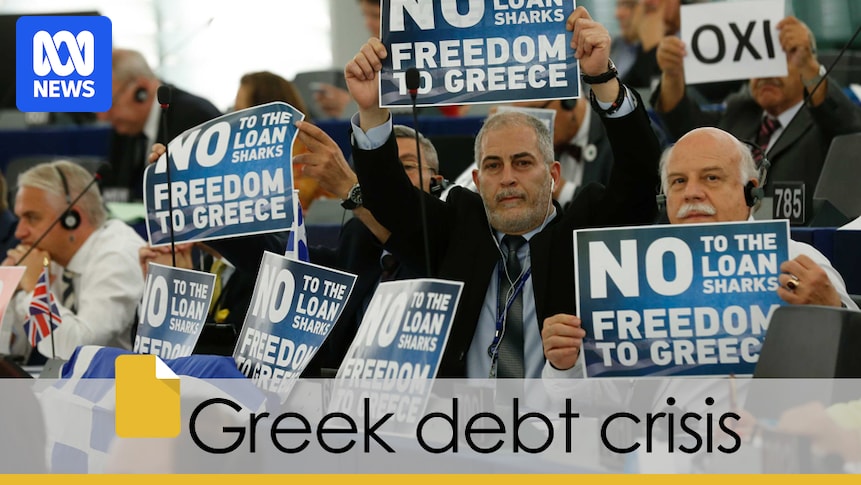
In the summer of 2015, Greece was not merely a country in crisis; it was the stage of a relentless experiment in the hands of the global elite. While the Greek people, with an unprecedented cry for dignity, were saying the historic “No” in the July 5 referendum, behind closed doors in transatlantic emails, a chilling farce was unfolding.
The 3.5 million pages from Jeffrey Epstein’s files that are coming to light reveal that the convicted financier and the “iron lady” of banking, Ariane de Rothschild, knew the end of the drama before the ink had dried on the ballots.
July 6, 2015: When the Elite “Judged” Athens
Just after dawn on July 6, with banks closed and people lining up for €60 withdrawals, Ariane de Rothschild — the first woman to break into the leadership of the Edmond de Rothschild house — sent updates to Epstein that shock with their cynicism. With a coldness that terrifies, she revealed that Alexis Tsipras had already “sacrificed” Yanis Varoufakis on the altar of negotiation.
“It’s strongly rumored that Tsipras wanted Varoufakis’s head and got it,” she wrote, describing the sacking as a tactical move to change the climate in Brussels — without actually shifting away from submission.
Epstein’s response moments later was the ultimate confirmation of the trap. For the dark financier, Varoufakis’s departure was not a solution but the beginning of the end. Minutes later Epstein replied:
“The resignation of the Greek minister presents a harder problem for Greece, not an easier one. Now they will be asked to come up with a solution. Not with proposals. Now they have really screwed themselves.”
The elite knew that without the “unpredictable” minister, the Greek government was now fully controlled and at the mercy of the lenders.
Tourists, Shorts, and Contempt
The most outrageous part of this correspondence, however, is not the economic analysis, but the deep contempt of Ariane de Rothschild for Athens and its people. While the city boiled with anxiety for its future, the banker expressed her disgust for the “spectacle” of the capital.
“I really hate this city, full of tourists in shorts… what a sight!” she wrote to Epstein.
This phrase reflects the whole gulf — on one side a people fighting for their dignity and on the other a caste of billionaires who saw them as an annoying detail in their “scene.”
Who Was Behind the Curtain?
The relentless question remains: what business did Jeffrey Epstein — a man now known to have been at the center of a global circuit of horror — have mixing in the Greek crisis? Why did the head of the Rothschilds feel the need to inform him about Tsipras’s moves and those of Tsakalotos?
The article asserts that Epstein functioned as the “invisible connecting link” of global power — a person who united bankers, politicians, and academics in a common network of interests. The correspondence about Greece is said to demonstrate that the referendum and Varoufakis’s resignation were merely moves on a chessboard set far away from Athens.
Today, the article claims, the release of these emails acts as “ultimate vindication” for those who argued that Greece was pillaged and betrayed — that the fate of the country was not decided in Brussels but on the keyboards of people who looked down on it with contempt. In that narrative, the “fall” of Varoufakis and the transformation of the “No” vote into a “Yes” is portrayed as a preordained crime, recorded in the dark pages of the Epstein files.
February 2, 2026, n.stamatakis@aol.com www.helleniscope.com
DISCLAIMER: The views and statements expressed in this article constitute constitutionally protected opinions of this author.
TO SUPPORT HELLENISCOPE OR BECOME A SUBSCRIBER, LINK HERE!!
==========
Citations & Further Reading
U.S. Department of Justice – Department of Justice Publishes 3.5 Million Pages in Compliance with Epstein Files Transparency Act
https://www.justice.gov/opa/pr/department-justice-publishes-35-million-responsive-pages-compliance-epstein-filesTo Vima – Greece Mentioned Over 1,500 Times in the Epstein Files
https://www.tovima.gr/2026/02/02/world/oi-1-500-fores-pou-i-ellada-anaferetai-sta-arxeia-epstain/To Vima (English Edition) – Greece Mentioned in Epstein Files
https://www.tovima.com/world/greece-mentioned-in-epstein-files/Time Magazine – Less Than 1% of the Epstein Files Have Been Released, DOJ Says
https://time.com/7343702/epstein-files-release-doj/Washington Post – More Than 2 Million Epstein Documents Still Unreleased
https://www.washingtonpost.com/national-security/2026/01/06/epstein-documents-2-million-unreleased/Wikipedia – 2015 Greek Bailout Referendum
https://en.wikipedia.org/wiki/2015_Greek_bailout_referendum