
ΕΑΝ ΠΡΟΤΙΜΑΤΕ ΕΛΛΗΝΙΚΑ ΠΑΤΗΣΤΕ ΤΗ ΣΗΜΑΙΑ ΣΤΟ ΚΑΤΩ ΜΕΡΟΣ ΤΗΣ ΟΘΟΝΗΣ
By Helleniscope’s Editorial Team
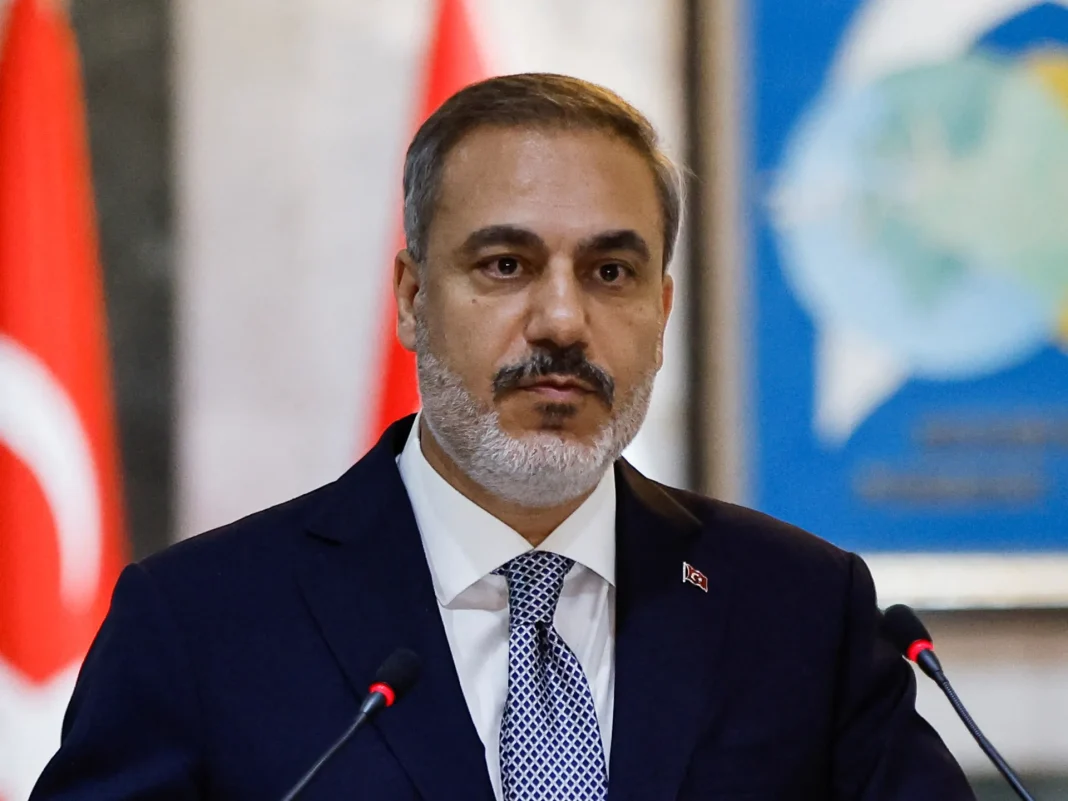
There are moments in geopolitics when symbolism speaks louder than statements. One such moment surfaced quietly in the pages of Milliyet, when it reported that Turkey’s Foreign Minister, Hakan Fidan, spent part of a diplomatic flight reading books on Ancient Greece.
At first glance, it is an anecdote.
In reality, it is a mirror.
The Reaction in the Turkish Press
What matters is not simply what Fidan read—but how Turkish media chose to interpret it.
The reaction was neither dismissive nor ironic. Instead, it was analytical, even approving. Commentators framed his reading as:
- A sign of intellectual seriousness
- A tool for understanding the foundations of Western civilization
- A way to engage with the language of global power
In this framing, Ancient Greece is not distant history. It is infrastructure.
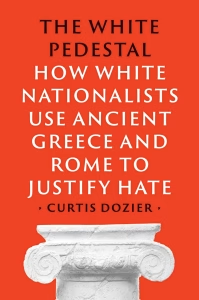
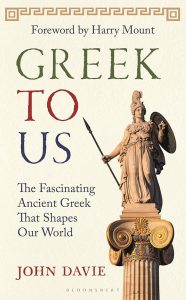
PHOTO: The two books Hakan Fidan was reading…
Why Ancient Greece Still Matters—Even in Ankara
The books reportedly included:
- A study of Greek etymology and its enduring influence on modern language
- A critique of how classical Greece is used in contemporary ideological narratives
Turkish commentary focused on language—because language is power.
Greek-derived terminology underpins science, philosophy, and diplomacy. To study it is to study the operating system of the modern West.
The Unspoken Continuity
Yet the Turkish press stopped short of articulating a deeper historical continuity:
Turkish diplomacy did not emerge in isolation.
The administrative and diplomatic sophistication of the Ottoman state was shaped, to a significant degree, by the legacy of the Eastern Roman (Byzantine) Empire.
Central to this continuity were the Phanariots:
- Greek elites of Constantinople
- Serving as Grand Dragomans (chief diplomats) and high officials
- Chosen for their education, multilingualism, and familiarity with European systems
For generations, Ottoman diplomacy functioned through Greek intellectual and administrative mediation. Even more significantly, given that the diplomatic profession, more than any other, usually is passed on to the next generation, many in the turkish Foreign Ministry evn today can trace their roots back to some Pfanariot family…
Identity Beneath the Surface
Modern genetic and historical research consistently points to the deeply layered population history of Anatolia, reflecting centuries of continuity, assimilation, and cultural overlap. Many studies suggest that a substantial portion of today’s population carries ancestry from earlier inhabitants of the region, including Greeks, though exact figures vary and should be interpreted with caution.
This complexity is also reflected in public discourse surrounding prominent figures such as Recep Tayyip Erdoğan and Ekrem İmamoğlu, both of whom have been associated in various accounts with family roots in the Black Sea region historically linked to Pontic Greek populations. Such claims are often debated and interpreted differently across political and cultural contexts.
Reading Greece, Reading Continuity
Seen in this broader context, the Turkish press reaction becomes more revealing:
- It recognizes Ancient Greece as central to global intellectual life
- It treats engagement with Hellenism as strategically relevant
- Yet it leaves largely unspoken the extent to which these traditions intersect with its own historical experience
Because when a foreign minister reads Ancient Greece, he is not only studying the West.
He is engaging with a legacy that has long shaped the region itself.
Final Thought
The episode reported by Milliyet is not about books on a plane.
It is about continuity—intellectual, historical, and cultural.
Hellenism remains not only an object of study but a framework through which power, language, and diplomacy continue to be understood.
And sometimes, recognition begins quietly—with reading.
March 22, 2026, n.stamatakis@aol.com www.helleniscope.com
DISCLAIMER: The views and statements expressed in this article constitute constitutionally protected opinions of this author.