


ΕΑΝ ΠΡΟΤΙΜΑΤΕ ΕΛΛΗΝΙΚΑ ΠΑΤΗΣΤΕ ΤΗ ΣΗΜΑΙΑ ΣΤΟ ΚΑΤΩ ΜΕΡΟΣ ΤΗΣ ΟΘΟΝΗΣ
By Helleniscope’s Editorial Team
A grey dawn broke over the slopes of Mt. Ida (Psiloreitis), the olive-groves still dripping sorrow from a night of violence. In the small Cretan village of Vorizia, peace had been shattered — not by accident, but by choice.
The spark
Late on a cool Friday night, an explosive device detonated at a house under construction on the outskirts of Vorizia. The home belonged to one of two families long locked in bitter dispute. No casualties from the blast, but the message was clear: a trapdoor to vengeance had been triggered.
The eruption
As morning light crept in, gunfire erupted across the village. Automatic weapons roared; homes and vehicles were riddled with bullets. Witnesses described the scene as “battlefield”; cartridge casings blanketed narrow lanes and ravines. By midday, two people lay dead — a 39-year-old father of six from the one family, and a 56-year-old woman from the other. Several others — at least ten — lay wounded.
Old rivalries, new weapons
The feud between the two families — the Kargakis and the Frangkiadakis — was not new. The origins trace back decades, perhaps to disputes over grazing lands and property boundaries, the kind of quarrels that once defined honor and survival in rural Crete.
But this was not 1955. The weapons used were no longer shotguns and hunting rifles but assault weapons. The setting was not the remote mountain of lawless legend but a village within reach of Heraklion’s highways. Yet the code of silence, the pride of lineage, and the deep-seated belief in personal justice still lived on.
Cretans have long balanced modernity and tradition — cell phones in one hand, icons of Saint George in the other. But when violence flares in the name of family honor, that balance collapses. What is left is raw memory, sharpened by generations of stories told in whispers: who shot whom, which family still “owes blood.”
Bloodlines, land, and honor
The dispute is rooted in more than surface conflict. One family claims rights over grazing land and traditional pastures. The other maintains the property belongs to them. In Crete, land is a legacy, and a legacy is an honor. When one side builds a house where the other believes they ought to have pasture, the move is not merely economic — it is symbolic. In Vorizia, that symbol cracked open old scars. The bomb on Friday night was a provocation. Saturday’s gunfire was the explosion of generations of simmering resentment.
The place becomes a stage
The village of Vorizia, with its narrow stone streets and mountain air, normally speaks of quiet pastoral life. Tourists rarely linger. Locals tend goats, prune olive trees, carry on rituals of seasons. On this morning, the mountain still echoed with an ancient code: vendetta.
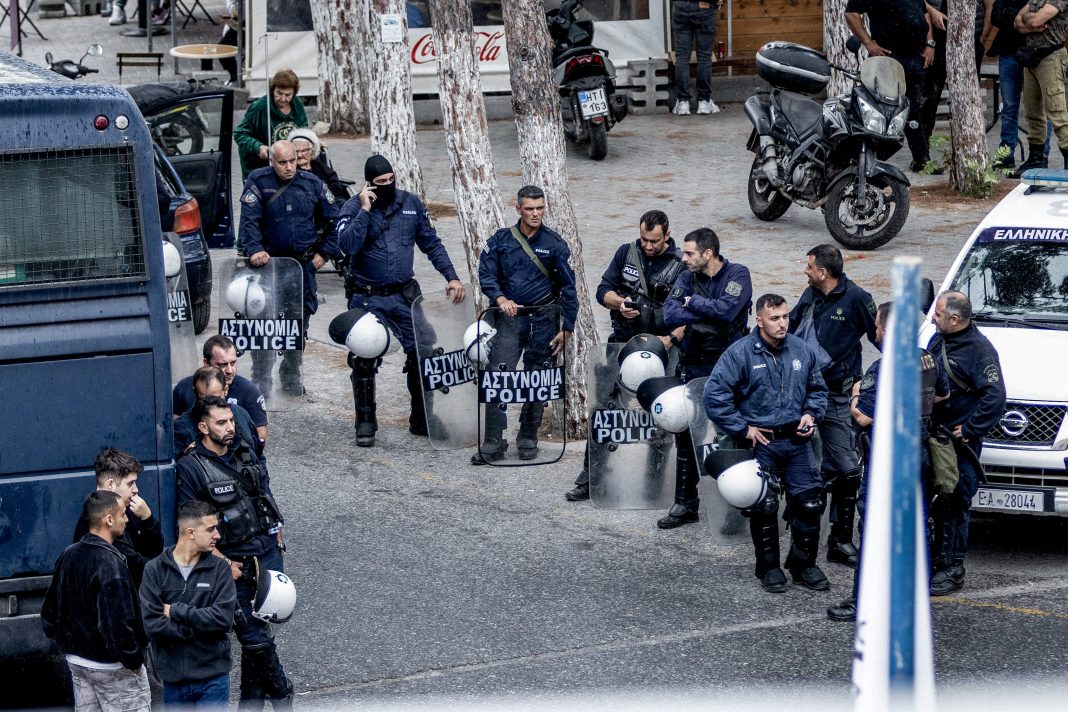
Police forces sealed off Vorizia. Elite units arrived from Athens. Hospitals in Heraklion were placed on alert; injured were escorted under guard; villages where children once played were now tense front lines.
Tradition meets the modern world
In past eras, Crete’s vendettas were fought with rifles, knives, and even fists. The code of honor prevailed when state presence was weak, when shepherd-bands roamed remote slopes. Today, the weapons are more lethal; the world is more connected; yet the principle is the same: wrong is answered in blood.
Modern policing and surveillance can intervene — but only after the first shot is fired. In Vorizia’s case, the bomb was placed with impunity. The village offered terrain familiar to the combatants: homes flank narrow lanes, the ravine offers concealment, the sense of community shields silence.
The state’s dilemma
How does the law enter a space ruled by lineage and loyalty? The Greek police face a dual reality: rapid deployment and forensic investigation on one hand, and deep-rooted social codes on the other. Arresting participants may stop immediate violence, but unless the underlying feud is addressed, the danger remains.
In Vorizia, the presence of special units and permanent policing has been promised. Yet locals whisper about “what’s next” — will retaliation follow? Will the peace hold beyond the next harvest?
The human cost
Names matter. The 39-year-old father of six leaves behind children who will inherit the memory of his death. The 56-year-old woman’s death weighs on both sides — a casualty of something older than her. Wounded men — some detained as suspects — become symbols of the clash of families.
And the village — once quiet, now scarred — must carry the trauma of a day when its lanes became a war zone.
Reflections for Crete and beyond
This is not merely a local story. It echoes broader tensions: how tradition interacts with modernity; how property disputes become moral crises; how identity and place fuse into conflict.
Vorizia teaches us that no matter how advanced governance becomes, societies retain older architectures of power and honor. When those architectures crack, the collapse can be violent.
For the island of Crete — famed for its hospitality and natural beauty — Vorizia is now also a reminder: beneath the olive groves, the old codes still live.
November 3, 2025, n.stamatakis@aol.com www.helleniscope.com
DISCLAIMER: The views and statements expressed in this article constitute constitutionally protected opinions of this author.















Very well written and absorbing story. Also Very sad. For us, non-Cretans, Crete was always a land of myth, combined with bravery against foreign invaders, hospitality, but also of vendettta.
It’s beyond miraculous really that Crete has survived centuries of such extreme brutality by foreign invaders. The “vendettas” of Sicily and Crete find their origins in these early centuries of conquests by Arabs and then Turks. It’s a long complex and war of defending one’s own…whether family or village against traitors and invaders.
The dilemma is different…
Whoever wins the vote in Crete usually has a high probability of winning the vote in Parliament…
But to win the vote in Crete, many things are “promised” in exchange…including turning a blind eye to EU subsidy fraud, or (in recent Helleniscope posts) shady land deals involving monastery property….
So sad, how truly horrible people had to die. On the flip side of that, I totally get it. The new land registry, the cadastral in Greece, named the ktimatologio, is a horror show. Corruption has spread in a legalized version of registering your properties onto a govt system and hope for the best! Any disputes are worked out with their hired lawyers to mediate. Scandals are already happening of the execs in charge helping themselves to people’s props if they haven’t registered their land in time. Without proof of paperwork, you’re out of luck. I’m surprised we do not see more of this horror thoughout Greece, especially after the forced cadastral timeline to input you docs. What happened in Crete I know goes a lot deeper with familial vendettas, but there are some days where I totally get it…. It’s the wild west!