
ΕΑΝ ΠΡΟΤΙΜΑΤΕ ΕΛΛΗΝΙΚΑ ΠΑΤΗΣΤΕ ΤΗ ΣΗΜΑΙΑ ΣΤΟ ΚΑΤΩ ΜΕΡΟΣ ΤΗΣ ΟΘΟΝΗΣ
As Tehran warns against the use of Greek and Cypriot territory for attacks, Athens and Nicosia face growing risks of being drawn into a conflict that serves neither country’s national interests. Athens and Nicosia risk becoming targets as their deepening alignment with Washington and Tel Aviv exposes them to retaliation from a country that has traditionally maintained friendly ties with Greece.
By Nick Stamatakis
Iran’s warning to Cyprus against allowing foreign military bases on the island to be used for attacks against Iranian territory is a serious development (link here for the news or read below). It shows that Cyprus – and potentially Greece (as Greek bases are used by the US and Israel and Greek ships are targeted) – are increasingly being viewed as part of the military infrastructure supporting the U.S.-Israeli campaign against Iran.
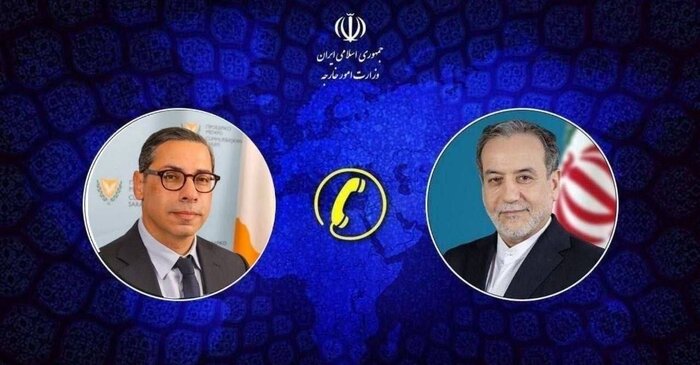
The warning was reportedly delivered by Iranian Foreign Minister Abbas Araghchi during a telephone conversation with Cypriot Foreign Minister Constantinos Kombos. Cyprus replied that Britain had provided assurances that its sovereign bases at Akrotiri and Dhekelia would not be used against Iran.
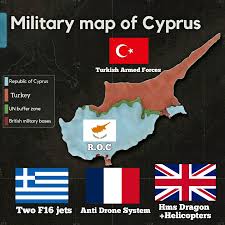
The central problem, however, is that the Republic of Cyprus does not control those British bases. Decisions concerning their military use are made in London, while Cyprus and its population may still suffer the consequences.
Greece faces a similar danger because of its expanding military cooperation with the United States and Israel. Greek ports, bases, airspace and logistical infrastructure could be perceived by Tehran as contributing to operations against Iran, even if Greek forces do not participate directly in attacks.
This creates the risk of Greece and Cyprus being drawn gradually into a war they did not initiate and cannot control.
The danger is not limited to military bases. Iranian media analysis has already referred to strategically important Greek and Cypriot energy infrastructure, including the LNG facilities at Revythousa and Alexandroupolis, proposed Eastern Mediterranean pipelines and offshore Cypriot gas projects.
These references do not constitute a confirmed Iranian target list. Nevertheless, they demonstrate that Greek and Cypriot infrastructure is being discussed within the wider context of possible retaliation.
Greece is also highly vulnerable because of its commercial shipping sector. Any further disruption in the Strait of Hormuz, the Red Sea or other major energy routes could expose Greek-owned vessels to attacks, higher insurance costs, delays and political pressure.
The most serious strategic error would be for Athens and Nicosia to sacrifice their own interests in order to support the objectives of Washington and Tel Aviv.
Iran has traditionally maintained workable and often friendly relations with Greece. Should I remind everyone that at the height of Greece’s financial crisis, Iran offered oil with “net 90” payment terms? Why does the treasonous Mitsotakis government forget these things? Iran is not Greece’s regional adversary, and it could also be considered an ally if one takes into account Turkey’s antagonism to Iran. Athens already faces major security challenges involving Turkey and the defense of Cyprus. Opening another front with Iran would be unnecessary and dangerous.
It is also misleading to assume that superior U.S. and Israeli firepower guarantees victory. Although Iran has suffered significant military damage, the campaign has not forced Tehran to accept the political demands of the United States and Israel. On the other hand, the end result of the superior Iranian hypersonic missiles was the destruction of ALL American military bases in the Gulf – in essence, Iran forced the US to exit the Gulf and possibly drastically reduce its presence in the whole Middle East. Iran continues to possess missiles, drones, maritime capabilities and the ability to threaten regional infrastructure and energy routes.
The United States and Israel may therefore be achieving some – few – tactical military successes while losing the war. The war is becoming wider, more expensive and increasingly difficult to control. The Houthis have now entered the war and instantly managed to close the Red Sea to navigation.
Greece and Cyprus should not share the risks of a conflict whose strategy and objectives are determined by other governments.
Athens and Nicosia should publicly declare that territory and facilities under their control will not be used for offensive operations against Iran. They should also demand clear guarantees from Britain and the United States, strengthen the protection of energy and maritime infrastructure and maintain direct diplomatic communication with Tehran.
The responsibility of Greece and Cyprus is to protect their populations, shipping, energy interests and diplomatic freedom—not to prove their loyalty by becoming targets in another country’s war.
July 31, 2026, www.helleniscope.com
DISCLAIMER: The views and statements expressed in this article constitute constitutionally protected opinions of this author.
TO SUPPORT HELLENISCOPE OR BECOME A SUBSCRIBER, LINK HERE!!
==================
Iran Warns Cyprus Not To Host Aggression From Its Territory In Phone Call
Within only the first week of Operation Epic Fury there was concern that war spillover could reach all the way into the Mediterranean, after Iranian Shahed drones believed launched by Hezbollah in Lebanon targeted UK airbases in Cyprus. On March 1-2, 2026, an Iranian-made drone struck a hangar and runway at the RAF Akrotiri military base in southern Cyprus.
This was as Iran and its regional allies accused Cyprus of allowing attacks on the Islamic Republic to be carried out from its territory. The EU member island nation is once again back in Iran-related headlines this week.

The Iranian government is newly saying it has put Cyprus on notice, warning against any foreign military bases on its territory being used for acts of aggression on Iran.
Iranian Foreign Minister Abbas Araqchi and his Cypriot counterpart Constantinos Kombos discussed the issue in a phone call wherein the warning was conveyed.
Iranian state media Tasnim said that Cyprus has pledged to comply:
He noted that allowing the territory of one country to be used to prepare and launch aggressive attacks against another country constitutes participation in an act of aggression under the UN General Assembly resolution on the Definition of Aggression.
For his part, the Cypriot foreign minister reaffirmed Cyprus’ commitment to the principles of the UN Charter and international law. Kombos also said his country had been in contact with the British government and had received assurances that the foreign military bases located in Cyprus would not be used against any country, including Iran.
Cyprus has been a bystander and victim in the middle of the warring sides, also given that it is significant in the tanker and energy transit industry.
At times throughout the conflict, Cypriot-flagged tankers have come under direct Iranian attack in the Strait of Hormuz.
Back in early March, Cyprus President Nikos Christodoulides stated: “I want to be clear: Our country does not participate in any way and does not intend to be part of any military operation.”
But more Mideast conflict ‘spillover’ is very possible at this stage, given that Lebanon is only a short, hours-long boat ride away from Cyprus. Israel is also not very distant. The British military has two sovereign military bases which it has maintained on Cyprus since the independence of its former colony in 1960.