


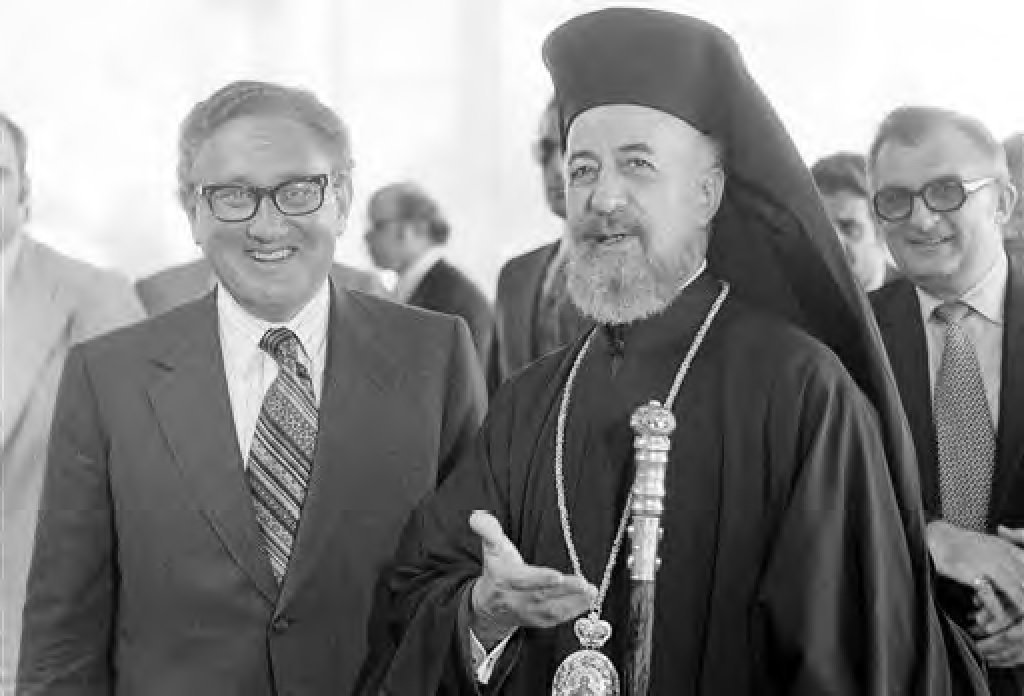
EDITOR’S NOTE (Nick Stamatakis): Dimitris Alevromageiros, the author of this article, is a retired Lieutenant General – honorary Inspector General of the Army. In 1974, he fought against the Turkish invaders as the commander of the 336th Battalion (made up entirely of Cypriot National Guards), which defended Nicosia. The bravery they displayed during the battle against the fierce attacks of the Turks decisively kept Nicosia free in Greek hands for the Battle. There is NOBODY better than General Alvromageiros to explain the 1974 disaster…
BELOW HIS ARTICLE IN ENGLISH AND GREEK
======================
The disastrous political and military mistakes that led to the tragedy
What were the criminal acts of the junta, the omissions of the political system before the dictatorship and the responsibilities of the President of Cyprus Archbishop Makarios that brought about the great drama of Hellenism
The strategic goal of the 1967 junta was the destruction of Cyprus, regardless of whether the originals knew it or not. Even the weakest pre-junta government would never have dared a crime of this national magnitude. But this does not absolve the pre-junta political system of responsibility, because they allowed the imposition of the dictatorship.
By Dimitris Aleuromageiros*, “Dimokratia” newspaper
What did the junta do in Cyprus once it was imposed? Terrified after the Turkish provocation at Kofinou Cyprus in November 1967 yielded to Turkey’s demands and withdrew the Hellenic Division, leaving Cyprus bare in its defence. (This crime of withdrawing the Hellenic Division also teaches us a good lesson about Turkey’s current pressures to demilitarize the Aegean islands…).
Stupid Act
He proposed, with an excess of gusto, a Greek-Turkish confederation and finally carried out the treacherous and stupid coup d’état of July 1974, which gave rise to the long-planned landing of Turkey.
And we come to the military part itself, from the coup of July 15, 1974 onwards.
- The coup was organized and ordered by Athens and carried out in Cyprus by a group of initiated Greek officers and sympathetic members of the EOKA B’ followed the junta. Until July 13, 1974, the leader of the GEEF (Cypriot National Guard), General Denisis, together with the then ambassador of Greece to Cyprus, Lagakos, was safely removed from Cyprus and the deputy commander of the GEEF, Brigadier General Georgitsis, loyal to the junta, took over, while observers were also sent from Athens of.

- The Junta regime in Athens ignored opposing voices within the regime about the effects of the coup (see also Alexis Papachela’s book A Dark Room 1967-1974, Metaichmio, 2021).
- The President of Cyprus, Archbishop Makarios, ignored warnings about possible diversion, refusing to accept that there would be such paranoia that would bring the Turks to Cyprus.
- The coup offered a golden opportunity for the long-planned Turkish invasion, although Turkish military moves before and during the invasion should not be considered successful.Elemental Greek resistance on the landing coast would have prevented the Turkish action…
- The morale of the Cypriot people, a large part of which was called to arms, was low and the first movements of the military leadership just before and during the landing were almost childish, in a state of panic and militarily unacceptable.The hesitancy of the invaders, if dealt with rudimentarily, would result in the failure of the landing, and a landing that fails is not repeated and is doomed to fail.
- A leading element of the invaders’ confusion is the sinking of their own warship “Koca Tepe” and the attack on two others, which in order to protect themselves shot down nineteen (19) Turkish aircraft (interview of the Turkish admiral Ekran in the Turkish magazine AKIS – ” Reflection’, 2 August 1987)
- Our greatest tragedy was the downing by Greek fire of a “Noratlas” aircraft, which was carrying a raiding squadron to Cyprus.
- The only absolutely combat-worthy Greek Unit, the ELDYK, was not only not used for the immediate elimination of the bridgehead, but was used fragmented and in secondary and significantly dangerous missions without reason. Nevertheless, despite her reduced strength, she inflicted significant casualties on the invader who frantically tried to capture her camp. (See also the book by the Turkish journalist Erbil Tusalp “The Pasha and the General”, a popularized presentation of the war diary of the commander of the landing force and the entire operation General Demirel, Floros publications, Athens 2000).
- The non-manning of the since 1964 perfectly fortified defense line on the coast of Kyrenia, since at least the evening of July 19, when even the course of the landing Turkish fleet was known by radio, is a pure military crime.
- The panic of the junta leadership in Athens to withdraw the mission of two state-of-the-art submarines, which would have panicked the Turks, and also the failure to use the recently received modern Phantom aircraft is yet another military crime.
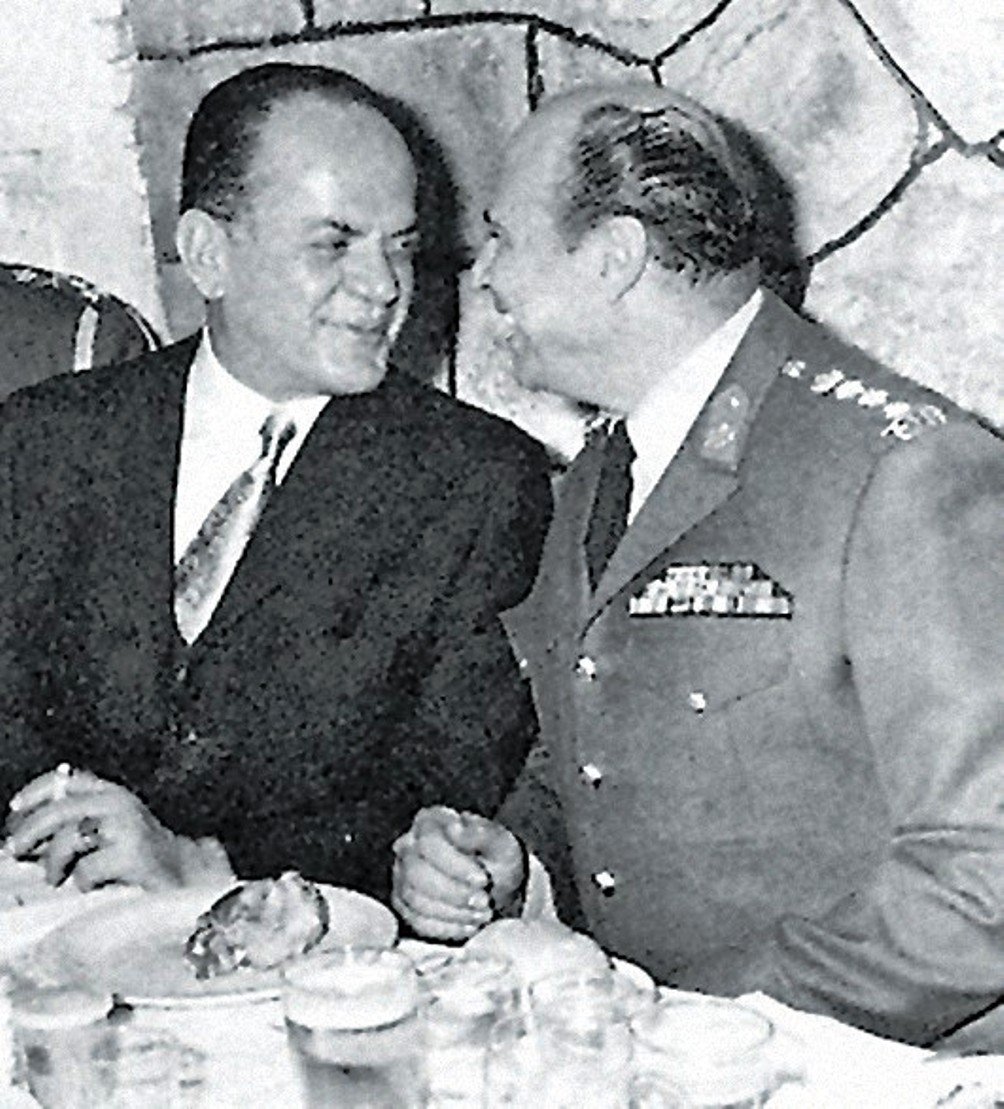
- A great tragedy was also observed in the Artillery Units of Cyprus, more tragically that of the Squadron of the non-Hunti Lieutenant Colonel Kalbourtzis, which, due to a criminal order of the administration, was practically destroyed when he was arrested six times by Turkish Infantry.
- The conscripted Cypriots who were called to arms with a panicked open signal at the time of the invasion, hastened to sacrifice themselves for the honor of Greece, having been trained since the time of their discharge.
- Despite all the above tragic weaknesses, there were heroic moments of resistance and sacrifice, the most important being that of Captain Chandrinos, who on his own initiative fought against the invaders in the area of Paphos.
- These heroisms are even more worthy and bring to mind the Cavafian verse “And more honor is due to them when they predict (and many predict) that the Nightmare will appear at the end, and the Medes will finally live”.
- I note, finally, that the Turkish forces wrote on the oldest of their shoes both truces – especially the first one, when immediately after its implementation, on the afternoon of July 22, they continued to expand the bridgehead, while during this time they landed troops on the bridgehead 40,000 with complete tanks, artillery and other material.Athens and Nicosia in those critical hours content themselves with fruitless meetings in Geneva and useless protests at the anemic UN…
- Cyprus was indeed abandoned by Athens in the second phase of the invasion, because, as it was said, “it was far away”, while the great Kissinger himself, on the eve of the second phase of the invasion, on the night of August 12, tirelessly declared that “the Turkish Cypriots have not been granted entry”, giving the signal to the 40,000 Turkish army to continue their work. However, even after the second cease-fire and truce on the evening of August 16, the Turks violated the truce on two occasions, because they were determined to occupy Nicosia, fortunately to no avail.
Honor and glory to the heroic fallen beneath the walls fighting, against the neo-barbarians
What the 1974 disaster teaches us
We arrived at the destruction of Cyprus with our own long-standing political mistakes of indoctrination, which were supplemented by the criminal political and military actions of the junta of 1967. The fact that the perpetrators were punished for the coup of 1967 but no one for the destruction of Cyprus is a disgrace.
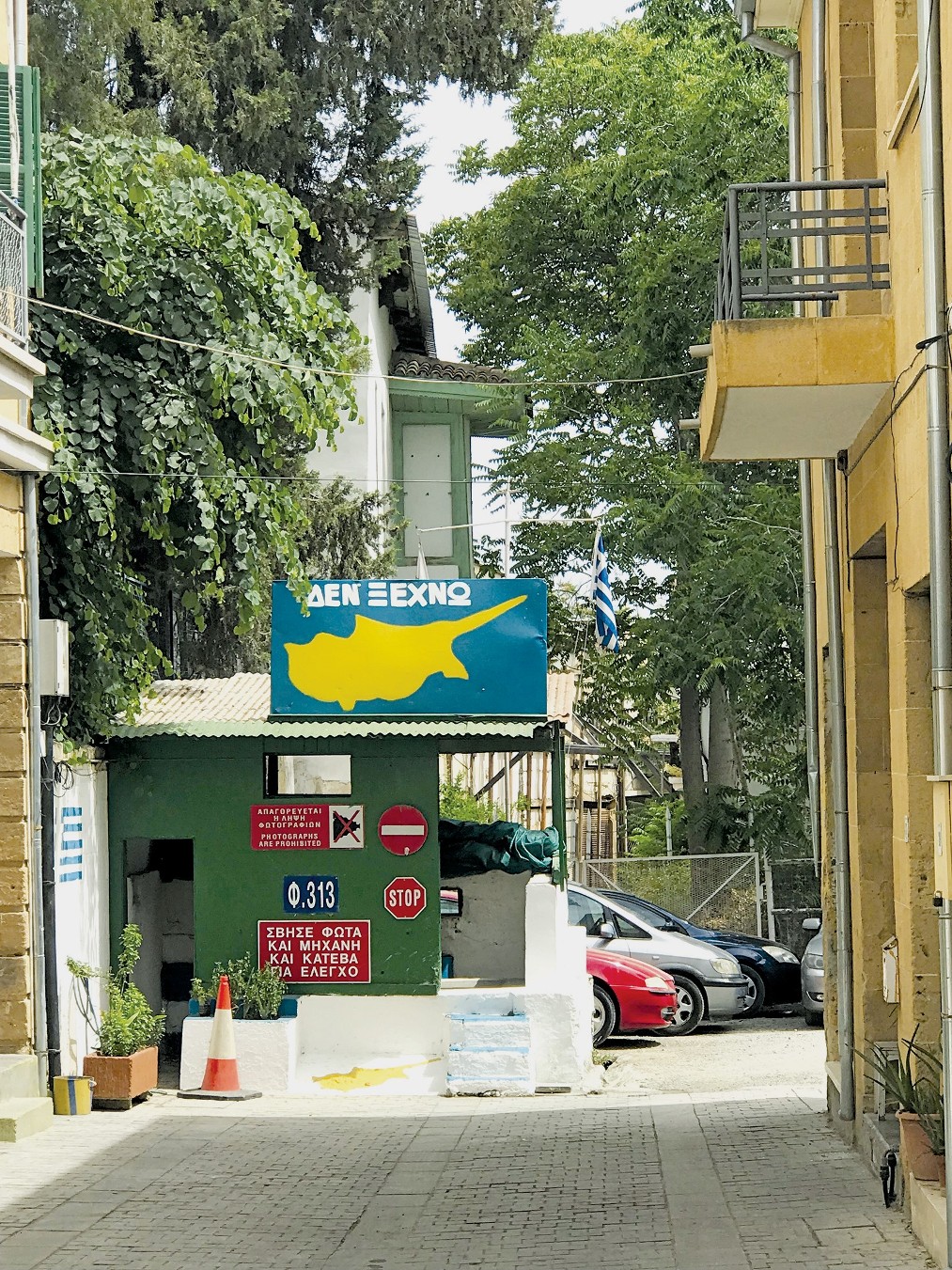
Our present-day Republic must immediately eliminate the bliss of endotism towards Turkey and within the “fora” to which it belongs press for the taming of the sinful land and not to brag about “Athens Friendship Agreements”, at a time when Turkey itself he reminds us daily that he despises them.
The immediate strengthening of the defense power both in Cyprus and here is out of the question.
It is of great importance to inform the people and strengthen their morale, because at present and as soon as the international circumstances allow, Turkey will become more aggressive, unless it is convinced that we are determined and ready both militarily and diplomatically to contain it when it violates blatantly the Law.
Our diplomatic and military service are well aware of these issues and our political elite must listen and reinforce them.
=======================
Τα ολέθρια πολιτικά και στρατιωτικά λάθη που οδήγησαν στην τραγωδία
Στρατηγικός στόχος της επιβολής της χούντας του ’67 ήταν η καταστροφή της Κύπρου, αδιάφορο αν το γνώριζαν ή όχι οι πρωταίτιοι. Ακόμα και η πλέον αδύναμη προ-χουντική κυβέρνηση ουδέποτε θα αποτολμούσε έγκλημα αυτού του εθνικού μεγέθους. Αυτό όμως δεν απαλλάσσει το προ-χουντικό πολιτικό σύστημα της ευθύνης, γιατί επέτρεψαν την επιβολή της δικτατορίας.
- Από τον Δημήτρη Αλευρομάγειρο*, εφημερίδα «δημοκρατία»
Τι έκανε η χούντα στο Κυπριακό μόλις επεβλήθη; Εντρομη μετά την τουρκική προβοκάτσια στην Κοφίνου Κύπρου τον Νοέμβριο του 1967 υπέκυψε στις απαιτήσεις της Τουρκίας και απέσυρε την Ελληνική Μεραρχία, και έτσι η Κύπρος απέμεινε γυμνή στην άμυνά της. (Αυτό το έγκλημα της απόσυρσης της Ελληνικής Μεραρχίας μάς δίνει και ένα καλό μάθημα για τις σημερινές πιέσεις της Τουρκίας για την αποστρατικοποίηση των νήσων του Αιγαίου…).
Πρότεινε, με περίσσευμα ευήθειας, ελληνοτουρκική συνομοσπονδία και τέλος διέπραξε το προδοτικό και βλακώδες πραξικόπημα του Ιουλίου του 1974, που έδωσε αφορμή για την από καιρού προετοιμαζόμενη απόβαση της Τουρκίας.
Και φτάνουμε στο καθ’ εαυτό στρατιωτικό σκέλος, από το πραξικόπημα της 15ης Ιουλίου 1974 και μετά.
- Το πραξικόπημα οργανώθηκε και διατάχθηκε από την Αθήνα και υλοποιήθηκε στην Κύπρο από μερίδα μυημένων Ελλήνων αξιωματικών και ακολούθησαν συμπαθούντα τη χούντα μέλη της ΕΟΚΑ Β’. Ο μέχρι την 13η Ιουλίου 1974 αρχηγός του ΓΕΕΦ (Εθνικής Κυπριακής Φρουράς) στρατηγός Ντενίσης απομακρύνθηκε μαζί με τον τότε πρέσβη της Ελλάδος στην Κύπρο Λαγάκο ευσχήμως από την Κύπρο και ανέλαβε ο πιστός στη χούντα υποδιοικητής του ΓΕΕΦ Ταξίαρχος Γεωργίτσης, ενώ εστάλησαν και από την Αθήνα επιτηρητές του.
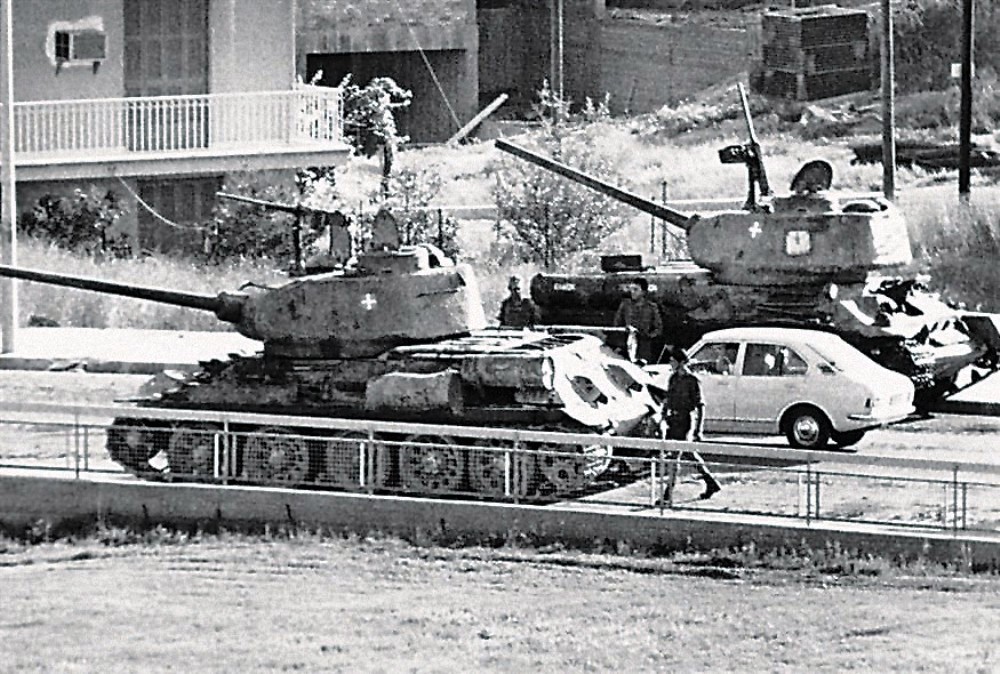
- Το χουντικό καθεστώς της Αθήνας είχε αγνοήσει και εντός του καθεστώτος αντίθετες φωνές για τις επιπτώσεις του πραξικοπήματος (βλέπε και βιβλίο Αλέξη Παπαχελά «Ενα σκοτεινό δωμάτιο 1967-1974», Μεταίχμιο, 2021).
- Ο Πρόεδρος της Κύπρου Αρχιεπίσκοπος Μακάριος, αγνόησε προειδοποιήσεις αναφορικά με πιθανότητες εκτροπής, αρνούμενος να δεχτεί ότι θα υπάρξει τέτοια παράνοια που θα έφερε τους Τούρκους στην Κύπρο.
- Το πραξικόπημα προσέφερε χρυσή ευκαιρία για την από μακρού σχεδιαζόμενη τουρκική εισβολή, μολονότι οι στρατιωτικές κινήσεις των Τούρκων προ και κατά την εισβολή δεν πρέπει να θεωρούνται επιτυχείς. Στοιχειώδης ελληνική αντίσταση στην ακτή αποβάσεως θα είχε αποτρέψει την τουρκική ενέργεια…
- Το ηθικό του κυπριακού λαού, μεγάλο μέρος του οποίου κλήθηκε υπό τα όπλα, ήταν μειωμένο και οι πρώτες κινήσεις της στρατιωτικής ηγεσίας λίγο πριν και κατά την εκδήλωση της απόβασης ήταν σχεδόν παιδαριώδεις, υπό το κράτος του πανικού και στρατιωτικά απαράδεκτες. Η διστακτικότητα των εισβολέων, εάν αντιμετωπιζόταν στοιχειωδώς, θα είχε ως αποτέλεσμα την αποτυχία της απόβασης και απόβαση η οποία αποτυγχάνει δεν επαναλαμβάνεται και είναι καταδικασμένη σε καταστροφή της.
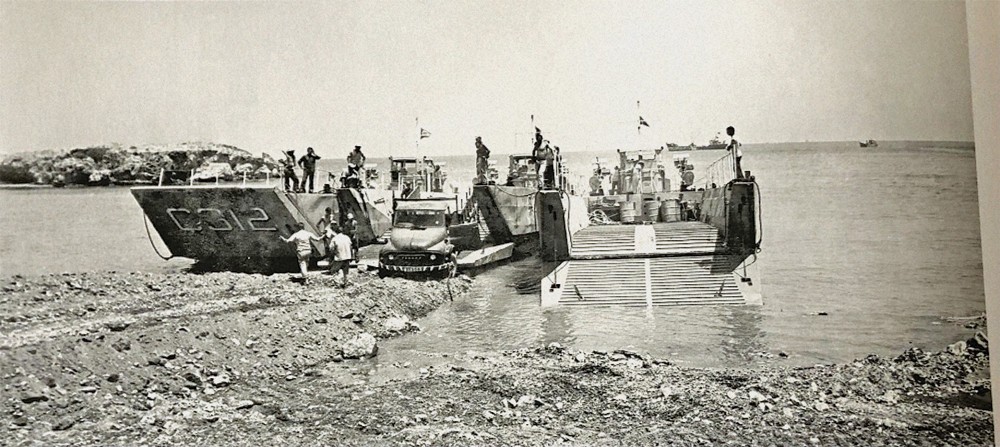
- Κορυφαίο στοιχείο της σύγχυσης των εισβολέων είναι η βύθιση από τους ιδίους του πολεμικού τους πλοίου «Κοτζά Τεπέ» και η προσβολή δύο άλλων, τα οποία για να προστατευτούν κατέρριψαν δεκαεννέα (19) τουρκικά αεροσκάφη (συνέντευξη του Τούρκου ναυάρχου Εκράν στο τουρκικό περιοδικό AKIS – «Αντανάκλαση», 2 Αυγούστου 1987)
- Κορυφαία δική μας τραγωδία η κατάρριψη από ελληνικά πυρά ενός αεροσκάφους «Νοράτλας», που μετέφερε Μοίρα καταδρομών στην Κύπρο.
- Η μόνη απολύτως αξιόμαχη ελληνική Μονάδα, η ΕΛΔΥΚ, όχι μόνον δεν χρησιμοποιήθηκε για την άμεση εξάλειψη του προγεφυρώματος, αλλά χρησιμοποιήθηκε κατατετμημένη και σε δευτερεύουσες και σημαντικά επικίνδυνες άνευ λόγου αποστολές. Παρ’ όλα αυτά, καίτοι μειωμένης δυνάμεως, επέφερε σημαντικές απώλειες στον εισβολέα που προσπάθησε λυσσωδώς να καταλάβει το στρατόπεδό της. (Βλ. και το βιβλίο του Τούρκου δημοσιογράφου Ερμπίλ Τουσάλπ «Ο Πασάς και ο Στρατηγός», εκλαϊκευμένη παρουσίαση του πολεμικού ημερολογίου του διοικητού της αποβατικής δύναμης και της όλης επιχείρησης Στρατηγού Ντεμιρέλ, εκδόσεις Φλώρος, Αθήνα 2000).
- Η μη επάνδρωση της από το 1964 άριστα οχυρωμένης γραμμής άμυνας στις ακτές της Κερύνειας, από το βράδυ τουλάχιστον της 19ης Ιουλίου, όταν ακόμη και ραδιοφωνικώς ήταν γνωστή η πορεία του αποβατικού τουρκικού στόλου, είναι καθαρό στρατιωτικό έγκλημα.
- Ο πανικός της εν Αθήναις χουντικής ηγεσίας για ανάκληση της αποστολής δύο υπερσύγχρονων υποβρυχίων, τα οποία θα έσπερναν τον πανικό στους Τούρκους και η επίσης μη χρησιμοποίηση των μόλις παρεληφθέντων σύγχρονων αεροσκαφών Φάντομ αποτελεί ακόμα ένα στρατιωτικό έγκλημα.
- Μεγάλος επίσης τραγέλαφος παρατηρήθηκε στις Μονάδες Πυροβολικού της Κύπρου, με πλέον τραγική εκείνης της Μοίρας του μη χουντικού Αντισυνταγματάρχου Καλμπουρτζή, η οποία λόγω εγκληματικής διαταγής της διοίκησης, ουσιαστικά καταστράφηκε όταν συνελήφθη εξαπίνης από τουρκικό Πεζικό.
- Οι επίστρατοι Κύπριοι που κλήθηκαν υπό τα όπλα με ένα πανικόβλητο ανοικτό σήμα την ώρα της εισβολής, έσπευσαν να θυσιασθούν για την τιμή της Ελλάδας, ενώ είχαν να εκπαιδευτούν από την εποχή της απολύσεώς τους.
- Παρ’ όλες τις ανωτέρω τραγικές αδυναμίες, υπήρξαν ηρωικές στιγμές αντιστάσεως και θυσιών, με κυριότερη εκείνη του Πλοίαρχου Χανδρινού, ο οποίος με προσωπική του πρωτοβουλία έβαλε κατά των εισβολέων στην περιοχή της Πάφου.
- Οι ηρωισμοί αυτοί είναι ακόμα πιο άξιοι και μας φέρνουν στο μυαλό τον καβαφικό στίχο «Και περισσότερη τιμή τούς πρέπει όταν προβλέπουν (και πολλοί προβλέπουν) πως ο Εφιάλτης θα φανεί στο τέλος, κι οι Μήδοι επιτέλους θα διαβούνε».
- Σημειώνω, τέλος, ότι οι τουρκικές δυνάμεις έγραψαν στα παλαιότερα των υποδημάτων τους και τις δύο εκεχειρίες– ιδίως την πρώτη, όταν αμέσως μετά την εφαρμογή της, το απόγευμα της 22ας Ιουλίου, συνέχισαν την επέκταση του προγεφυρώματος, ενώ στο διάστημα αυτό αποβίβασαν στο προγεφύρωμα στρατεύματα 40.000 με πλήρες αρματικό, πυροβολικό και λοιπό υλικό. Αθήνα και Λευκωσία εκείνες τις κρίσιμες ώρες αρκούνται σε άκαρπες συναντήσεις στη Γενεύη και ανώφελες διαμαρτυρίες στον αναιμικό ΟΗΕ…
- Η Κύπρος όντως εγκαταλείφθηκε από την Αθήνα και στη δεύτερη φάση της εισβολής, γιατί, όπως ελέχθη, «ευρίσκετο μακράν», ενώ ο ίδιος ο πολύς Κίσινγκερ την παραμονή της β’ φάσης της εισβολής, το βράδυ της 12ης Αυγούστου, δήλωνε ανερυθρίαστα ότι «οι Τουρκοκύπριοι δεν έχουν εισέτι εξασφαλιστεί», δίνοντας το σήμα στους 40.000 του τουρκικού στρατού να συνεχίσουν το έργο τους. Ομως ακόμα και μετά τη δεύτερη κατάπαυση και εκεχειρία το εσπέρας της 16ης Αυγούστου, οι Τούρκοι παραβίασαν σε δύο περιπτώσεις την εκεχειρία, γιατί είχαν πεισμώσει να καταλάβουν τη Λευκωσία, άνευ ευτυχώς αποτελέσματος.
- Τιμή και δόξα στους ηρωικούς πεσόντες κάτω από τα τείχη πολεμώντας, κατά των νεοβαρβάρων
Τι μας διδάσκει η καταστροφή
- Στην καταστροφή της Κύπρου φτάσαμε με δικά μας διαχρονικά πολιτικά λάθη ενδοτισμού, τα οποία συμπληρώθηκαν με εγκληματικά πολιτικά και στρατιωτικά της χούντας του 1967. Το ότι οι πρωταίτιοι τιμωρήθηκαν μεν για το πραξικόπημα του 1967 αλλά ουδείς για την καταστροφή της Κύπρου αποτελεί όνειδος.
- Η σημερινή Δημοκρατία μας πρέπει να αποβάλει αμέσως τη μακαριότητα του ενδοτισμού έναντι της Τουρκίας και μέσα στα «φόρα» στα οποία ανήκει να πιέσει για να τιθασευτεί η αμαρτωλή γείτων και να μη βαυκαλιζόμαστε με «Συμφωνίες Φιλίας Αθηνών», τη στιγμή που η ίδια η Τουρκία μάς υπενθυμίζει καθημερινώς ότι τις περιφρονεί.
- Η άμεση ενίσχυση της αμυντικής ισχύος τόσον στην Κύπρο όσο και εδώ είναι εκ των ων ουκ άνευ.
- Τεράστια σημασία έχει η ενημέρωση του λαού και η ενίσχυση του ηθικού του, γιατί το γε νυν έχον και μόλις οι διεθνείς περιστάσεις το επιτρέψουν η Τουρκία θα γίνει περισσότερον επιθετική, εκτός αν πεισθεί ότι είμαστε αποφασισμένοι και έτοιμοι και στρατιωτικώς και διπλωματικώς να την περιορίσουμε όταν παραβιάζει κατάφωρα το Δίκαιον.
- Η διπλωματική και η στρατιωτική μας υπηρεσία γνωρίζει άριστα αυτά τα θέματα και η πολιτική μας ελίτ πρέπει να τις ακούει και να τις ενισχύει.
(*) Αντιστράτηγος ε.α. – επίτιμος Γενικός Επιθεωρητής Στρατού. Το 1974 πολέμησε κατά των Τούρκων εισβολέων ως διοικητής του 336 Τάγματος (αποτελούμενο εξ ολοκλήρου από Κύπριους Εθνοφρουρούς) που υπερασπίστηκε τη Λευκωσία. Η ανδρεία που επέδειξαν την ώρα της μάχης απέναντι στις λυσσαλέες επιθέσεις των Τούρκων κράτησε καθοριστικά για τον Αγώνα τη Λευκωσία ελεύθερη σε ελληνικά χέρια.












The Junta made three obvious mistakes (among others).
-They believe the United States
-They trusted the United States
-They did what they were told by the United States.
Well said!
There is certainly enough blame to go around to give the uncivilized brutes, the Turks, a pretext to commit their illegal atrocities.
Makarios made tragic errors. He alienated the U.S. with his ill-conceived non-aligned movement and his deals with the Soviet bloc. He alienated Greece with his arrogance and his populist demagoguery. He taunted the dangerous and unstable dictator, Brig. Ioannidis, with two letters in which he insulted him and demanded he remove Greek officers from Cyprus who allegedly violated the founding treaty. To poke his fingers in Ioannidis’ eyes, he published those letters and declared that Cypriot s do not love dictators. Well, as the saying goes, the rest is history…
Blame the junta, blame Makarios, blame the U.S. At the end, our thoughtless “leaders,” on a demagogue monk and a group of petty dictators gave the uncivilized brutes the false pretext they sought since the mid-1950s to invade and annex the island.
No true leader would ever treat his people this way and then have statues erected in his honor.
Our only message at this point should be “Turkey, get out of Cyprus!”
It should not be inward-looking, self-blame.
It should not be that we demand a “just and viable solution agreed to by all parties.”
Just “Turkey GET OUT!”
I’d like to believe that the article’s author wanted to focus particularly on the incompetence of the Greek junta and disarray of the Turkish military without reference to the greater roles of Washington and Westminster. If this was the author’s intent, then please tell us in your introduction to the article. Otherwise, the article itself becomes worrisome.
Without mentioning the American and British overlords, the article describes the invasion as the consequence of the inept Greek junta on its own; and the wholesale theft and occupation, or appropriation, as the (swift, thorough) result of bungling Turkish forces without their American and British masterminds. Nothing is said about collaboration with USA or UK designs and involvement.
The article refers to Kissenger (calling him “the great Kissinger himself”. “ο ίδιος ο πολύς Κίσινγκερ”), but mentions him merely in a sentence to say that he had commented on the unpreparedness of the Turkish forces. It says absolutely nothing about the “great” man’s role in the crimes (doing what what he is famous for doing: playing two sides and watching them kill each other, to effect his designs).
So, as it is here, the article appears to be just another manifestation of the (ethnic) Greek mentality in the West, which panders to DC and placates London; and shows us yet again why nothing is done to rectify the crime. Not even a word in defence of Cyprus when the opportunity arises: when US-UK condemn Russia vis-a-vis “Ukraine” (actually the “Kyiv” regime). Instead, the Greek establishments in the West including the Phanar serve their masters in the first place.
I sent a comment a few hours ago
Please make a slight adjustment in its final sentence if you wish to publish the text. Just remove the clause about the Phanar (final sentence).
Reason: The clause about the Phanar is unnecessary. True with regard to Bart and co. but vague and unnecessary in this piece of writing.
Thank you.
Best wishes.
The junta colonels graduated in three years (Class of 1940B, originally 1941) because of Mussolini’s invasion. Those who went to Egypt with the king and fought in El Alamein were already generals in 1967. Those who were still colonels footsied with Mussolini. The generals voted for the coup on grounds that it would lead to a quick trial of Andreas and quick elections. “We were not fascists! We fought the fascists!” When LBJ objected to a trial of an American Andreas, Papadopoulos rose to the top in order to get a divorce. It was in the NY Times that the generals were upset with Papadopoulos glee at the repression of the polytechnic and they replaced him with the schizophrenic Ioannides. And the generals brought back Karamanlis. Papadopoulos was correct, Ioannides was certifiably insane. But consider that in 1972, Greece and Japan were the two fastest growing economies, and that Greece became a fully literate first world country under Papadopoulos (Marchessini). Nonetheless, Lord Acton was right about power corrupting. Many of the generals who voted for the junta were never prosecuted because they did nothing wrong. But once you break the glass of democracy, it is hard to put it back together. The British are so stiff in their governance because their traditions were formed in a brutal civil war and even today they are loathe to tweak it. Nonetheless the refugees from both sides (Massachusetts Cromwell, Virginia Royalists) fought on in the USA civil war and still do today.